

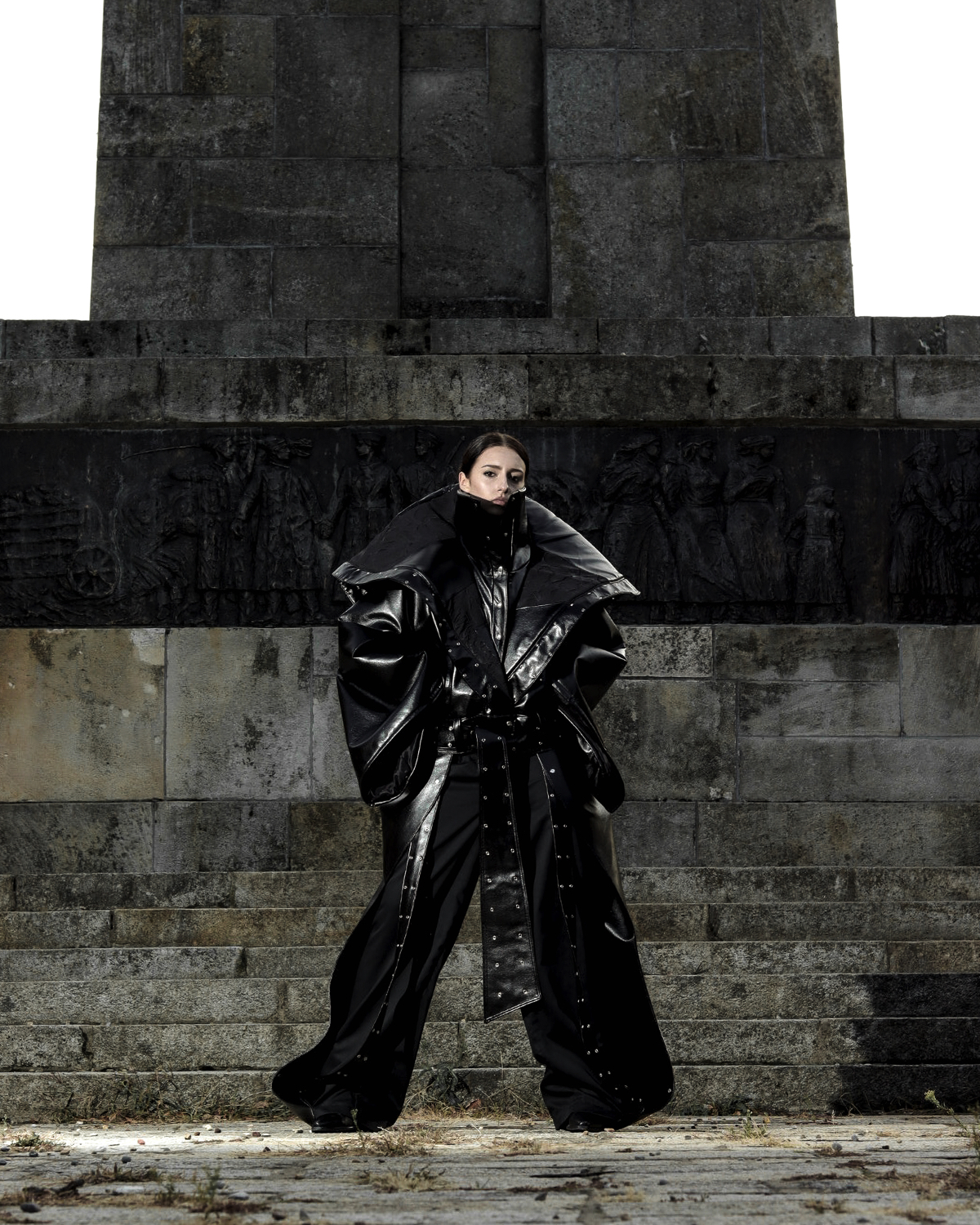
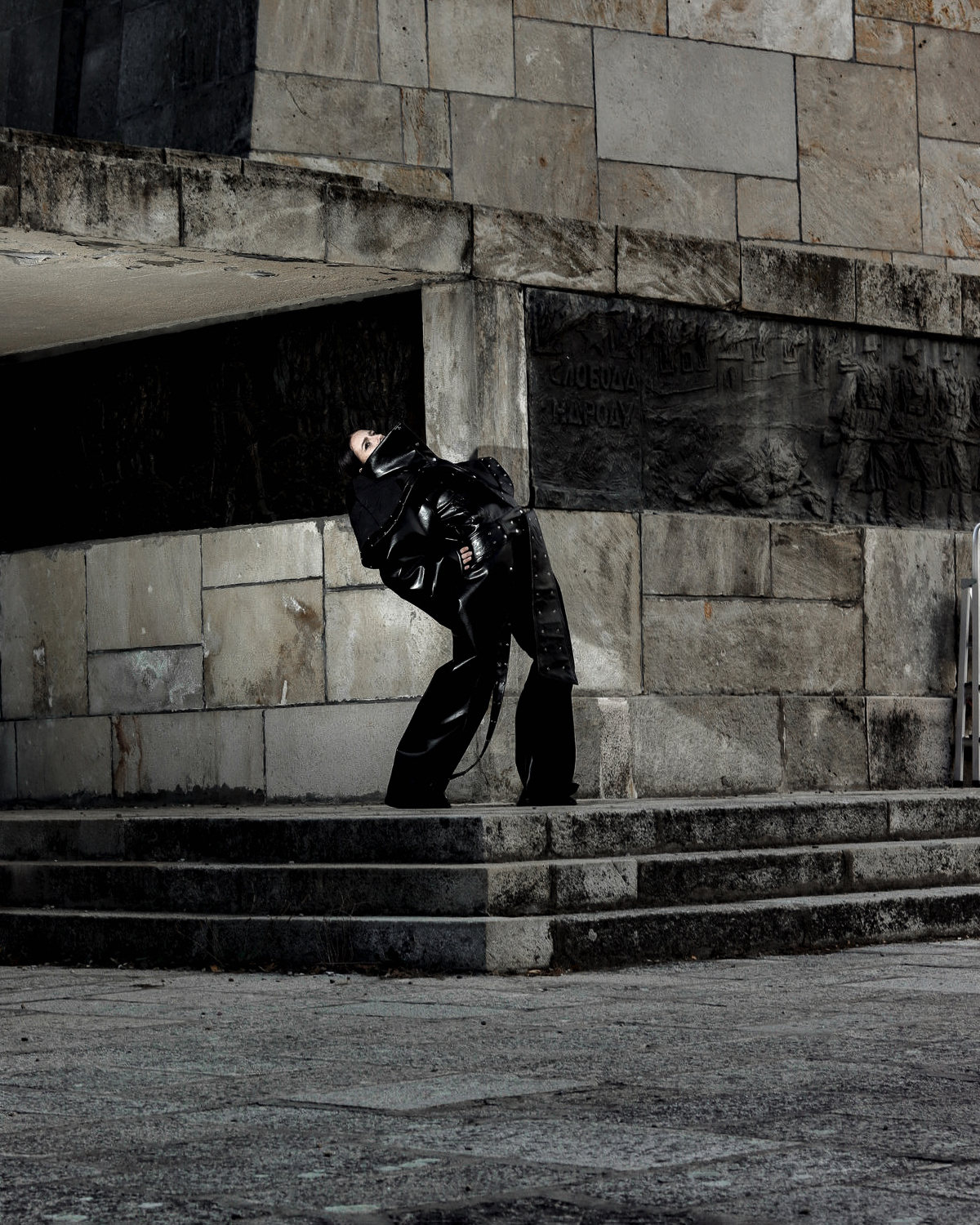
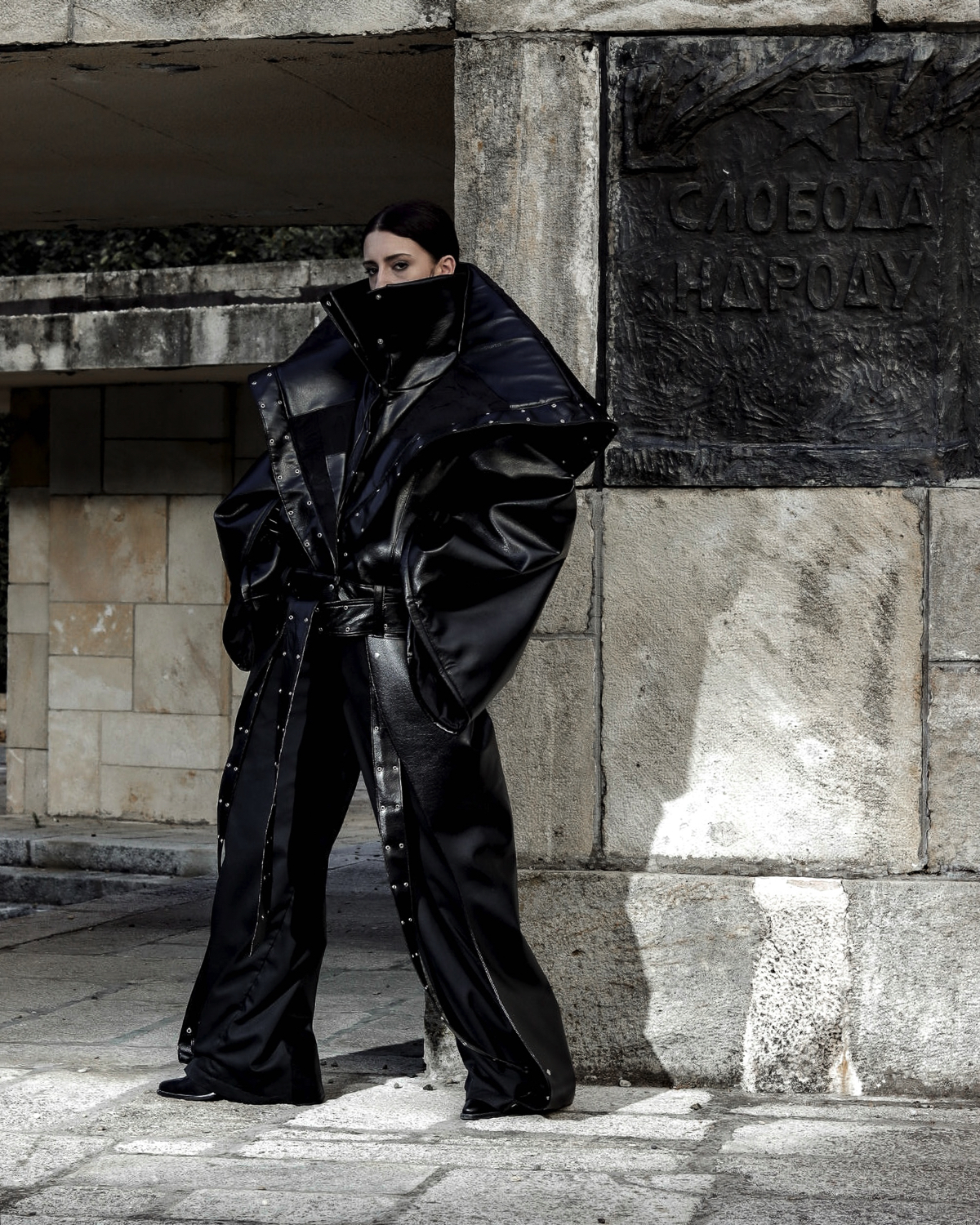
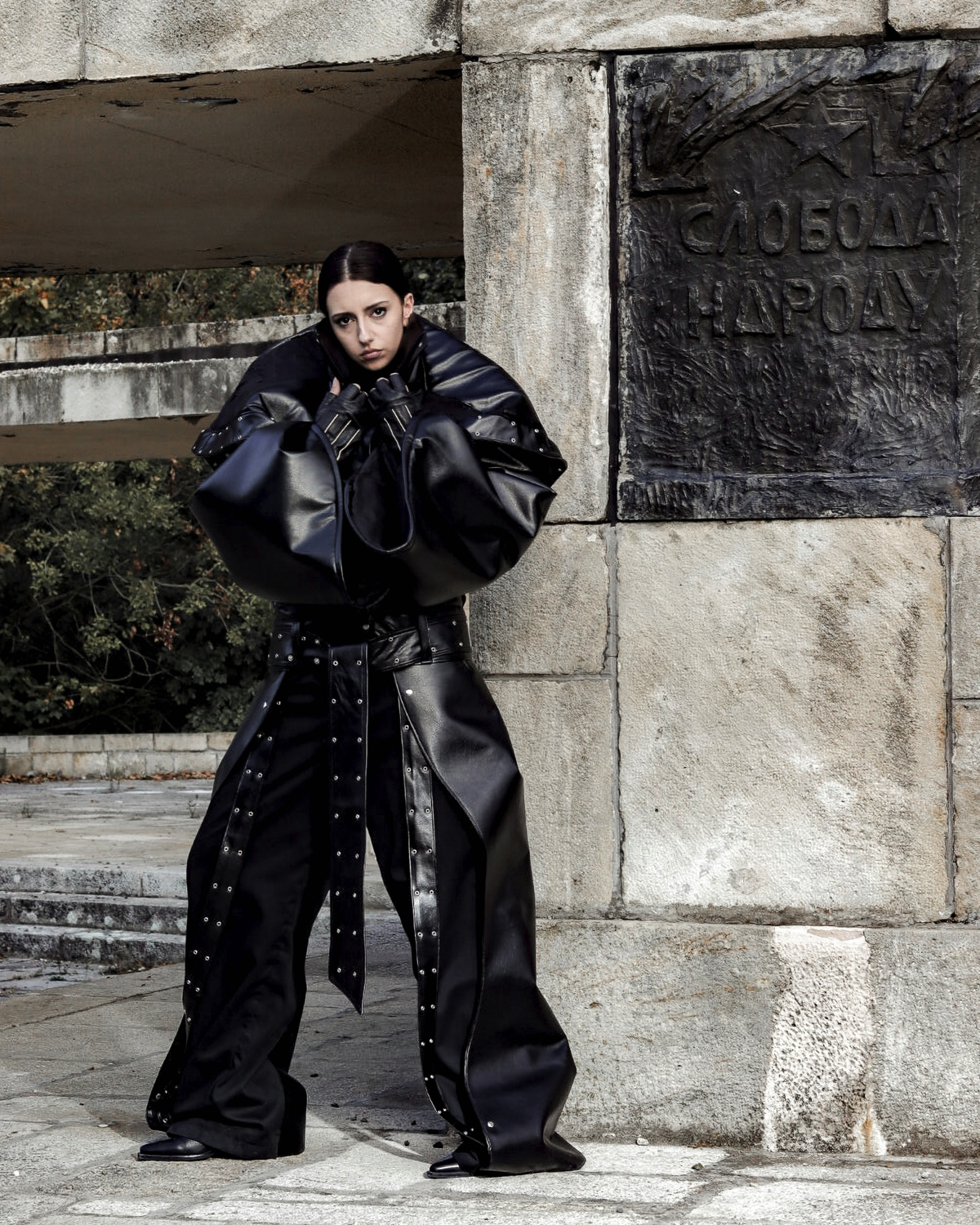
“Strapture” by Dorotea Sušić
Between Freedom and Control
Freedom is often understood as an individual right, the ability to make choices, express opinions and determine the course of one’s own life. Yet freedom does not exist independently of the social and political structures in which individuals live. It is shaped by institutions, authority, economic circumstances and the distribution of power. When these structures become instruments of manipulation, corruption or repression, personal freedom becomes inseparable from the question of who holds power and how it is exercised.
Control is not always imposed through direct force. It can be subtle, embedded in everyday routines, social expectations, dependency and the restriction of access to information. It can influence behaviour without appearing as coercion. Over time, individuals may adapt to limitations, sometimes accepting them as unavoidable conditions of life. This raises a difficult question: at what point does adaptation become submission, and how easily can the boundaries of freedom be redrawn without being noticed?
The body offers an immediate way of considering these questions. It is both personal and political: a site of identity and self-expression, but also one upon which authority, social norms and external expectations are imposed. The body can be protected, disciplined, restricted or made visible. The relationship between the body and clothing can therefore extend beyond appearance and function, becoming a way to explore the tension between autonomy and control.
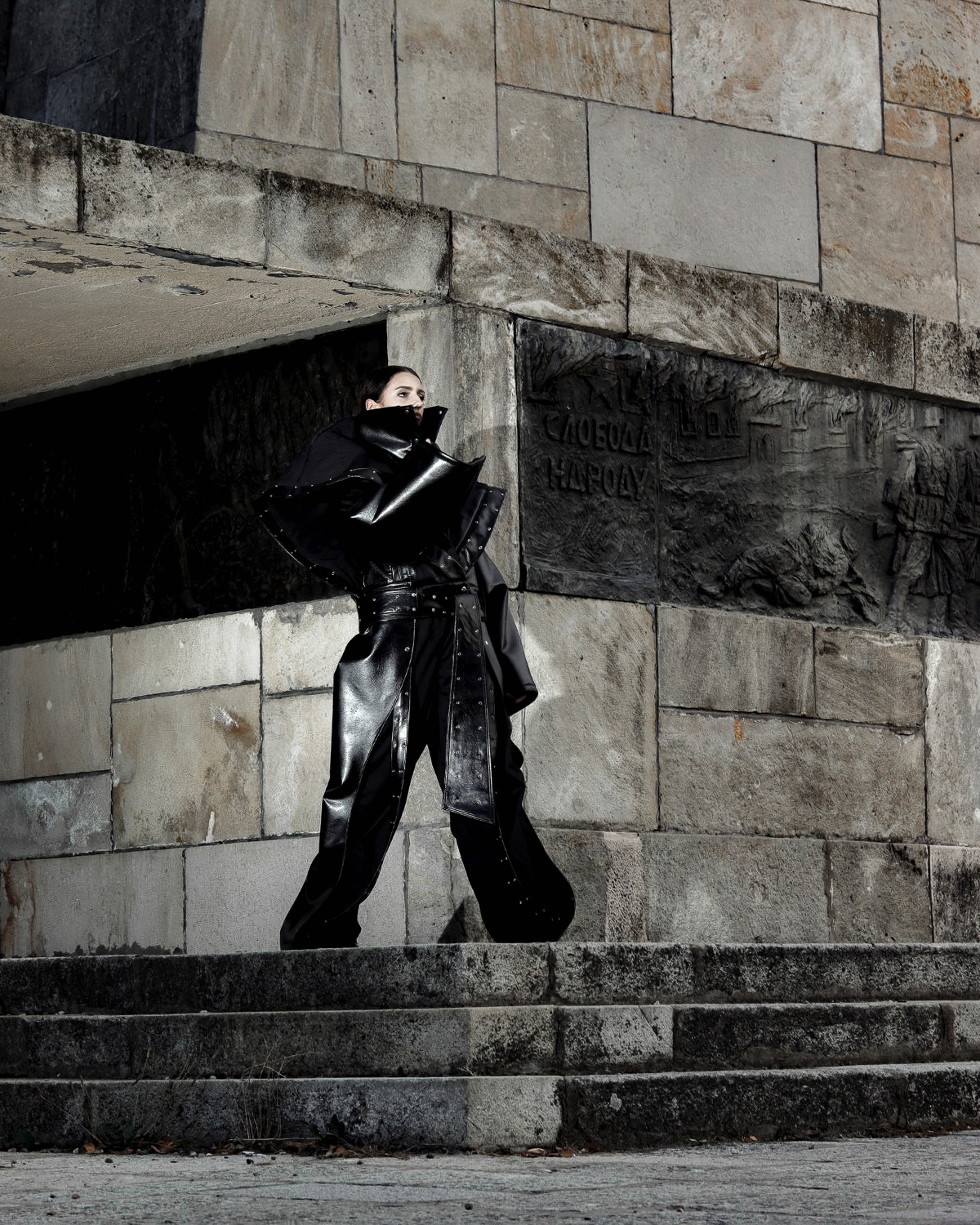
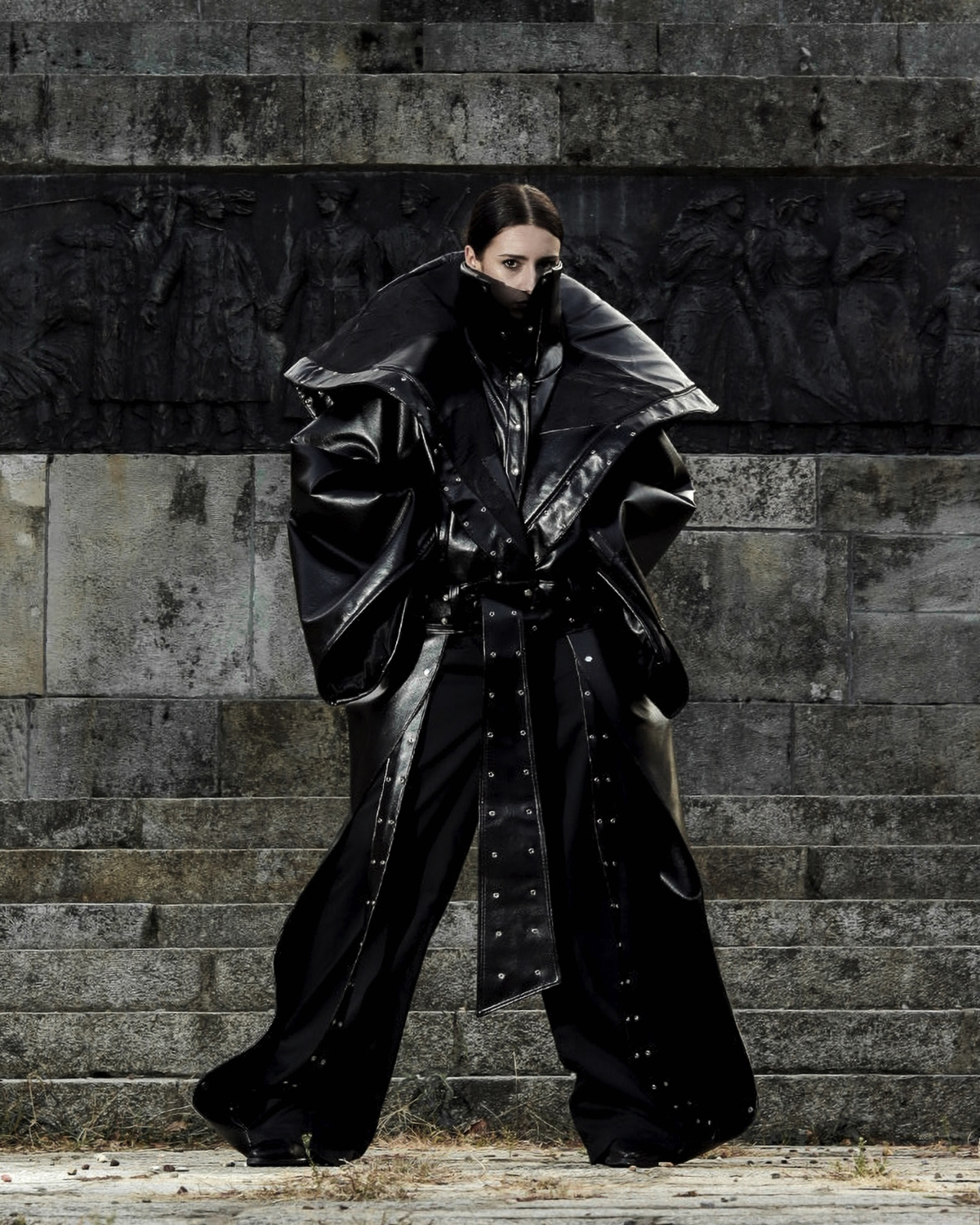
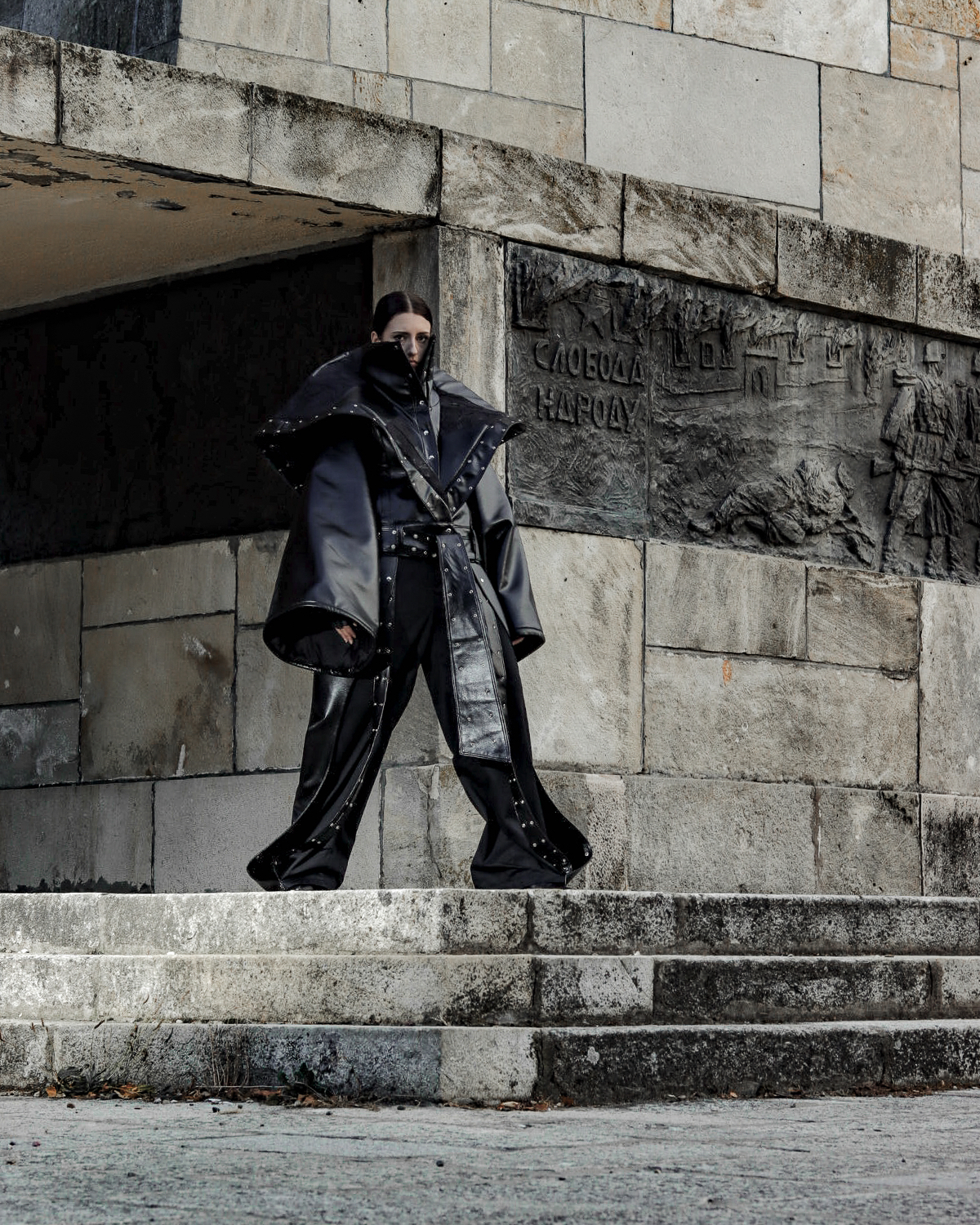
In “Strapture”, this tension is approached through the contradictory idea of protection. A shield suggests defence against an external threat, but it also implies that such a threat exists. Protection can preserve individual integrity, yet it can also limit movement and create a boundary between the individual and the world. This ambiguity reflects a broader social paradox: institutions are expected to protect the people they serve, but what happens when those same structures become sources of insecurity? When authority operates without accountability, the distinction between protection and confinement becomes increasingly difficult to maintain.
Another image through which control can be understood is that of the puppet and its strings. The metaphor points towards the mechanisms that direct behaviour while concealing the source of influence. Belts, associated with the strings of a puppet theatre, introduce the question of who determines the direction of an individual’s movement. Yet this image is not limited to helplessness. It also suggests the possibility of recognising the strings, questioning their purpose and refusing the role imposed by someone else. The individual is not necessarily powerless; awareness can become the beginning of resistance.
Resistance does not always take the form of a single dramatic act. It can emerge through refusal, critical thought, public expression and the rejection of imposed narratives. In Serbia, the student movement has become a contemporary expression of collective resistance and demands for institutional accountability. Its victory in the parliamentary elections of 25 October 2026 marked a significant moment in the country’s recent political life, demonstrating how collective demands for change can extend beyond public protest and enter the democratic process. This development brings the questions explored in “Strapture” into a present-day context, where individual autonomy is connected to the possibility of collective action.
The setting of the photographs adds another historical dimension to these questions. The Monument to Freedom at Iriški Venac, created by sculptor Sreten Stojanović and unveiled in 1951, commemorates those who died in the National Liberation Struggle during the Second World War. Its presence connects the contemporary image with a specific history of anti-fascist resistance and the struggle for liberation. Placed alongside the present, this history invites reflection on how the meaning of freedom changes across generations. The memory of a struggle for liberation does not resolve the question of freedom in the present; it makes that question more urgent.
The title Between Freedom and Control describes a condition rather than a fixed opposition. Freedom and control are not always separated by a clear boundary. They can coexist within the same institutions, relationships and individual experiences. The question is not only whether people are free, but whether they can recognise the forces shaping their choices and challenge those that deny them autonomy. Freedom is not merely something inherited or declared. It is something that must be continually examined, exercised and defended.
Words: Dorotea Sušić @doroteas._
Photography: Jelena Ćaćić @captured.by.jela
Fashion: Dorotea Sušić @doroteas._
Model: Jana Ćosić @janaa.cosic
Comments are closed.