

By Ada Maria Francesca Romeo | Fashion Journalist
“Real impact occurs when a fracture is introduced, one that continues to operate even after it has been observed.” This is how the interview with the creators of one of the most compelling emerging Italian avant-garde brands, Chronos Corps, begins. In the contemporary landscape, the fashion system appears trapped in an obsessive cycle of acceleration, production, and replication, where creativity increasingly bends to market demands.
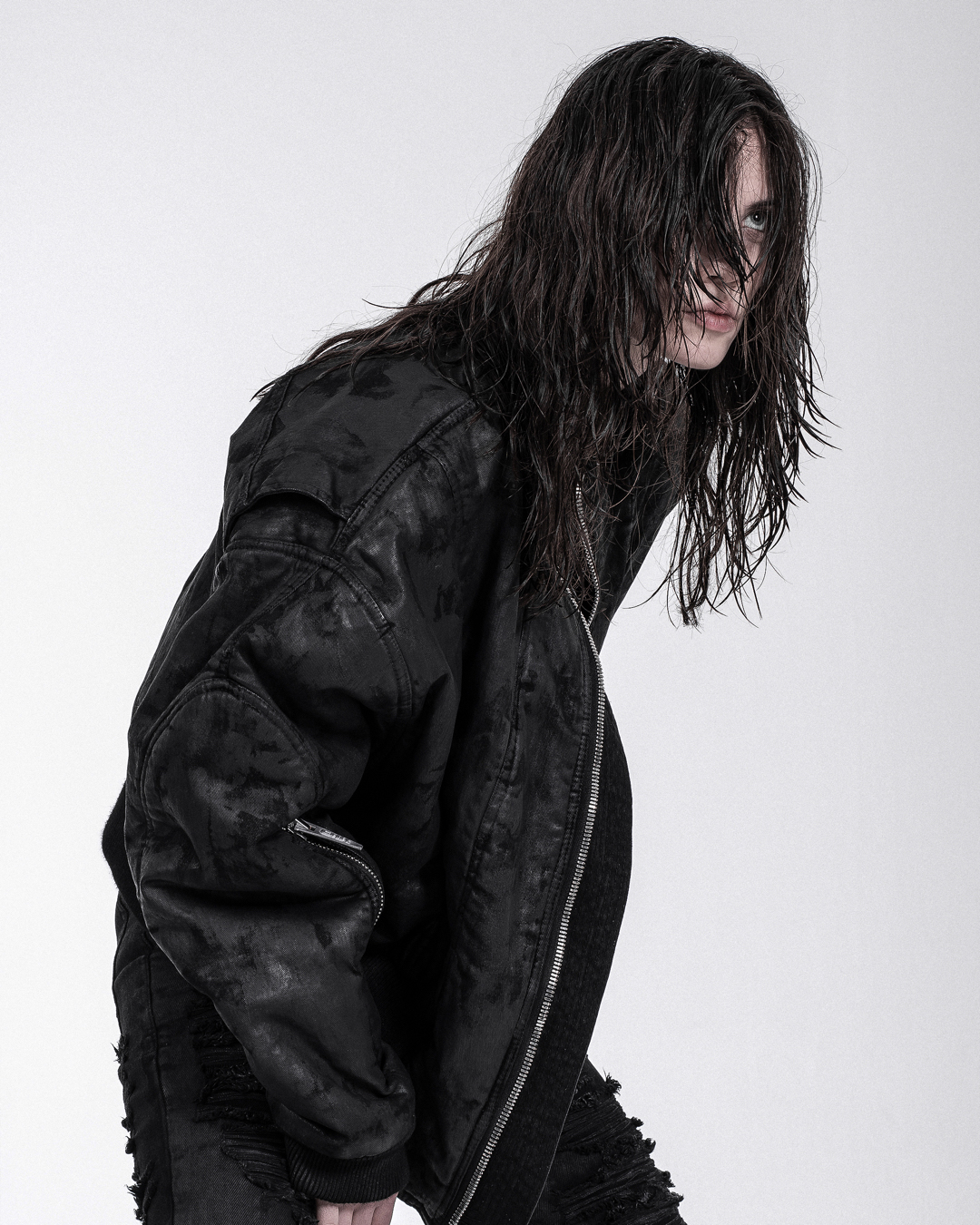
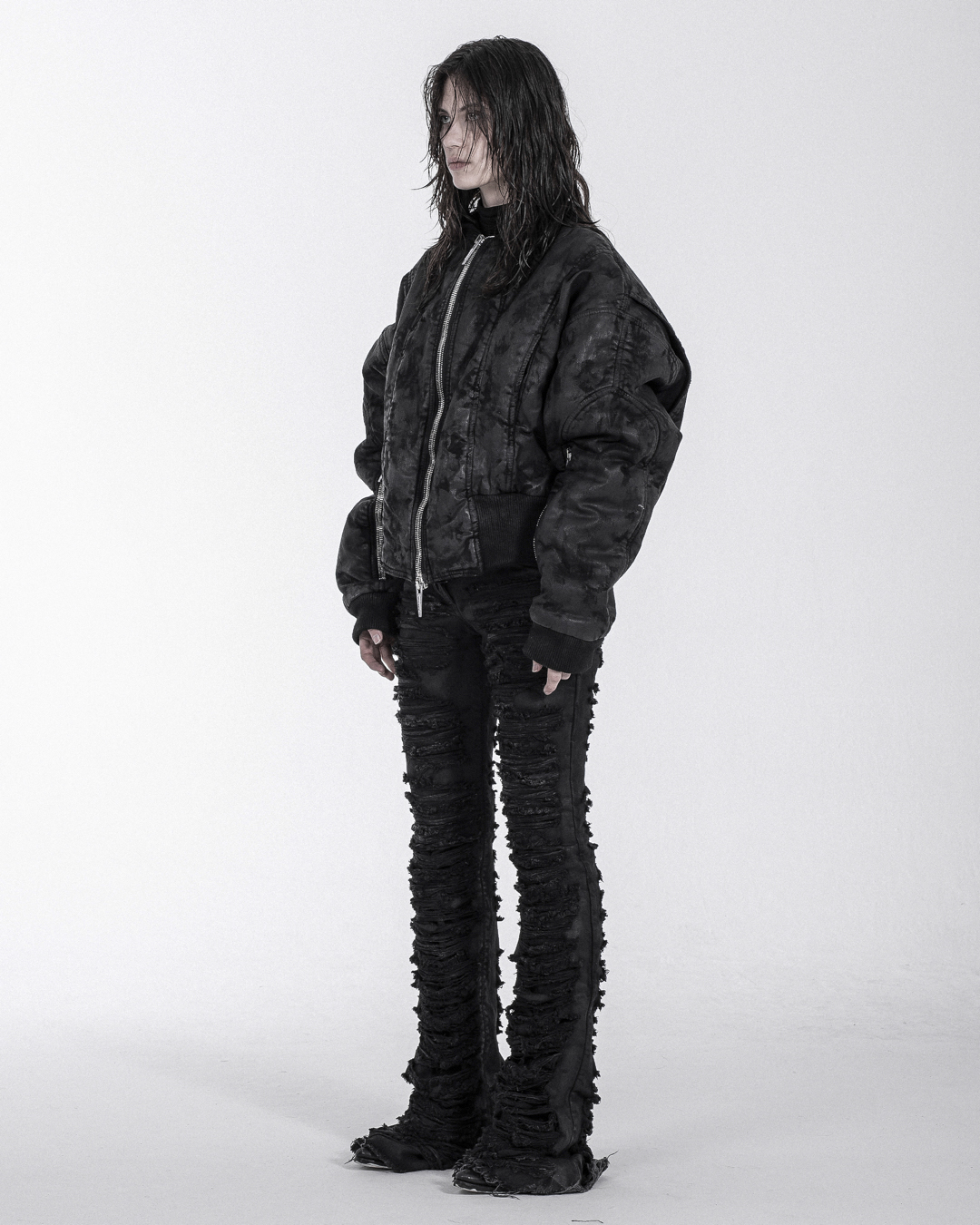
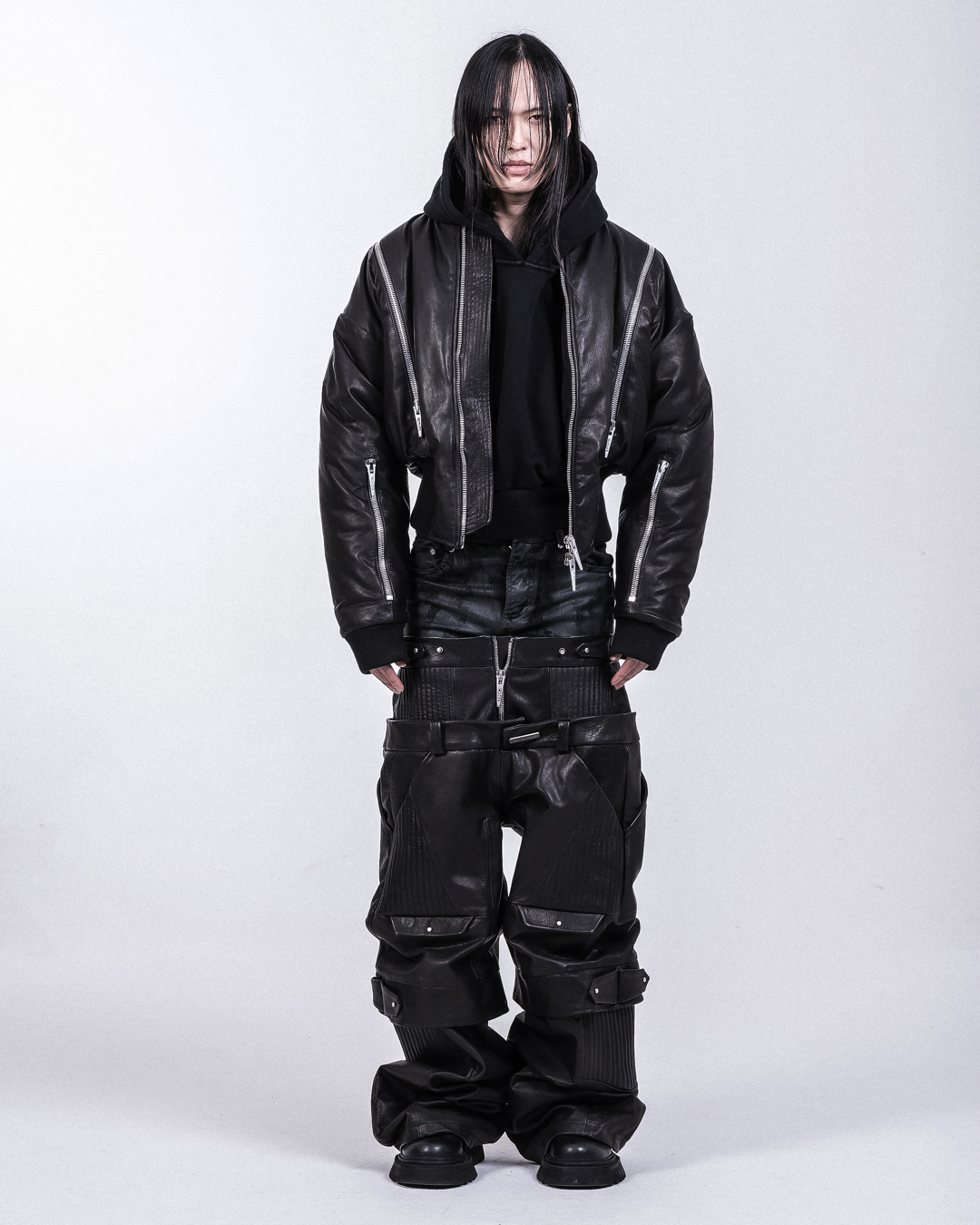
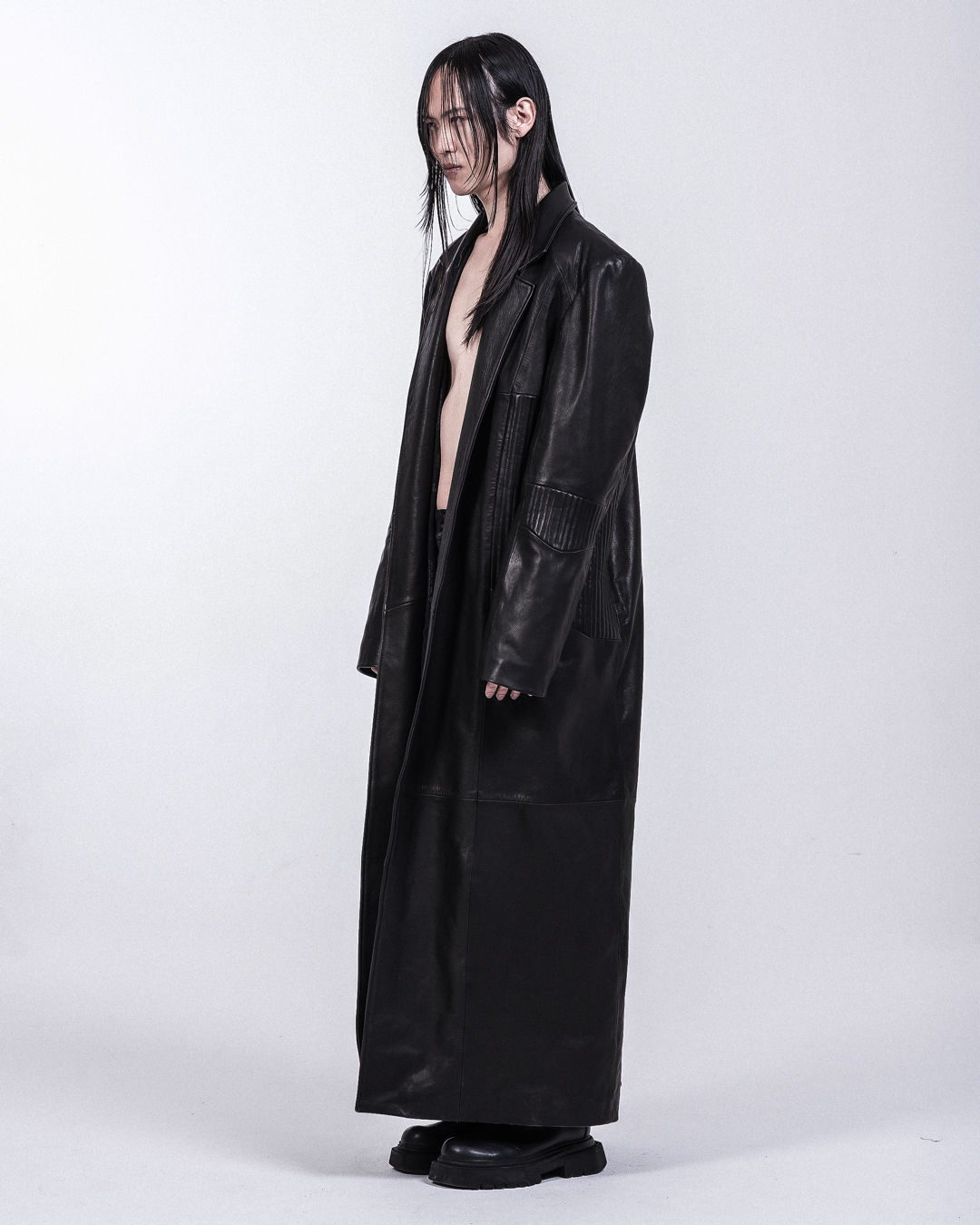
It is precisely within this crisis that avant-garde fashion re-emerges as a space of resistance and rupture. As the brand’s directors, Giacomo Maurizi, Nicola Minotti, Matteo Cesarotti, and Matteo Pelizzi explain, the project was founded in Rome in 2022 from a “post-collapse imaginary” that does not aestheticize the end, but instead observes what remains after many illusions have fallen away. In a system that has consumed images, values, and even the idea of the future, Chronos Corps brings the body back to the center. Their garments do not seek immediate consensus; instead, they present themselves with severe forms, devoid of complacency. Unsurprisingly, they claim to feel closer to brutalist architecture than to contemporary fashion.
During our conversation, a stark truth emerged: “Today, much of fashion produces images, but rarely produces thought. It has refined the surface while weakening the depth.” In this scenario, it is rare to find brands capable of truly interrogating the present, going beyond the aesthetics and marketability of clothing. This is precisely where realities like Chronos Corps become necessary: projects that embody a clear stance, where risk and coherence translate into a form of research that goes beyond mere decoration.
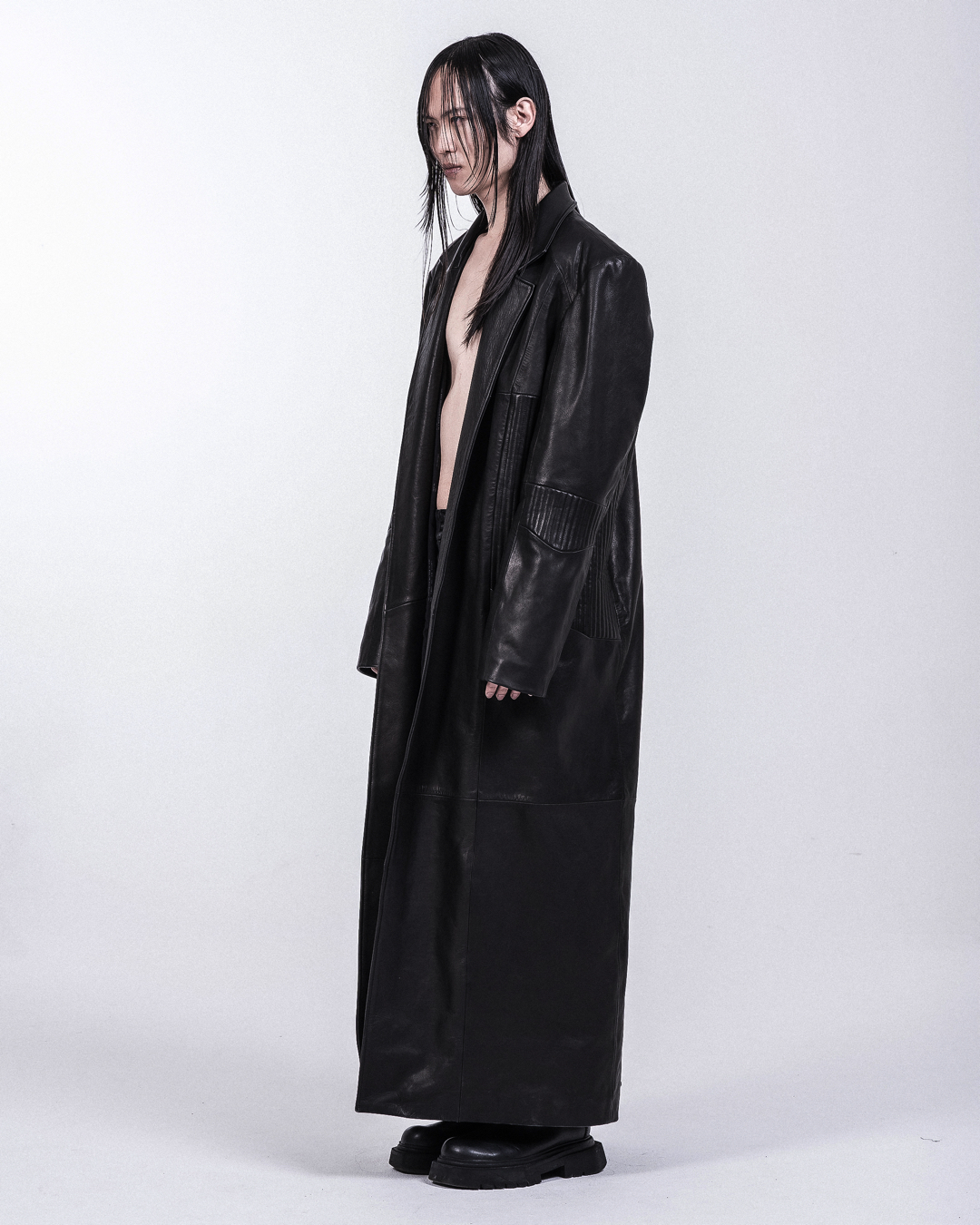
Avant-garde, if it is truly such, is not a style. It is a position. A refusal. It is a gesture that fractures dominant codes. Today more than ever, we need something that cannot be easily absorbed, neutralized, or resold. We need a form of resistance. Chronos Corps situates itself within this tension, opposing the neutralization of language and the process of domestication to which contemporary fashion seems to submit. As the founders emphasize, fashion does not need to be legible, reassuring, or simplified in order to be accepted. To produce something meaningful, it is necessary to distance oneself from the logic in which a garment is conceived solely to occupy commercial space, devoid of expressive urgency.
Today, much of fashion produces images, but rarely produces thought. It has refined the surface while weakening the depth.”
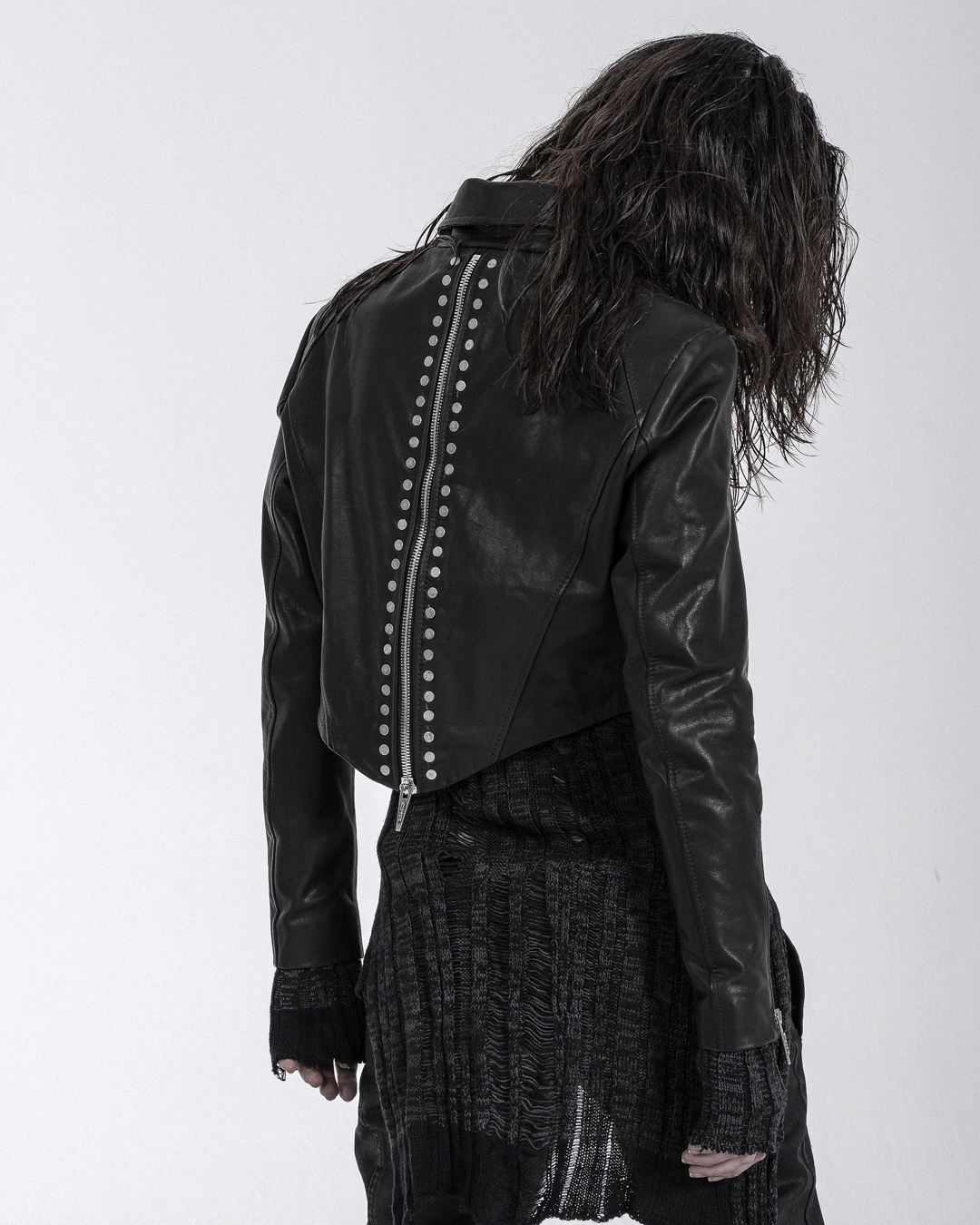
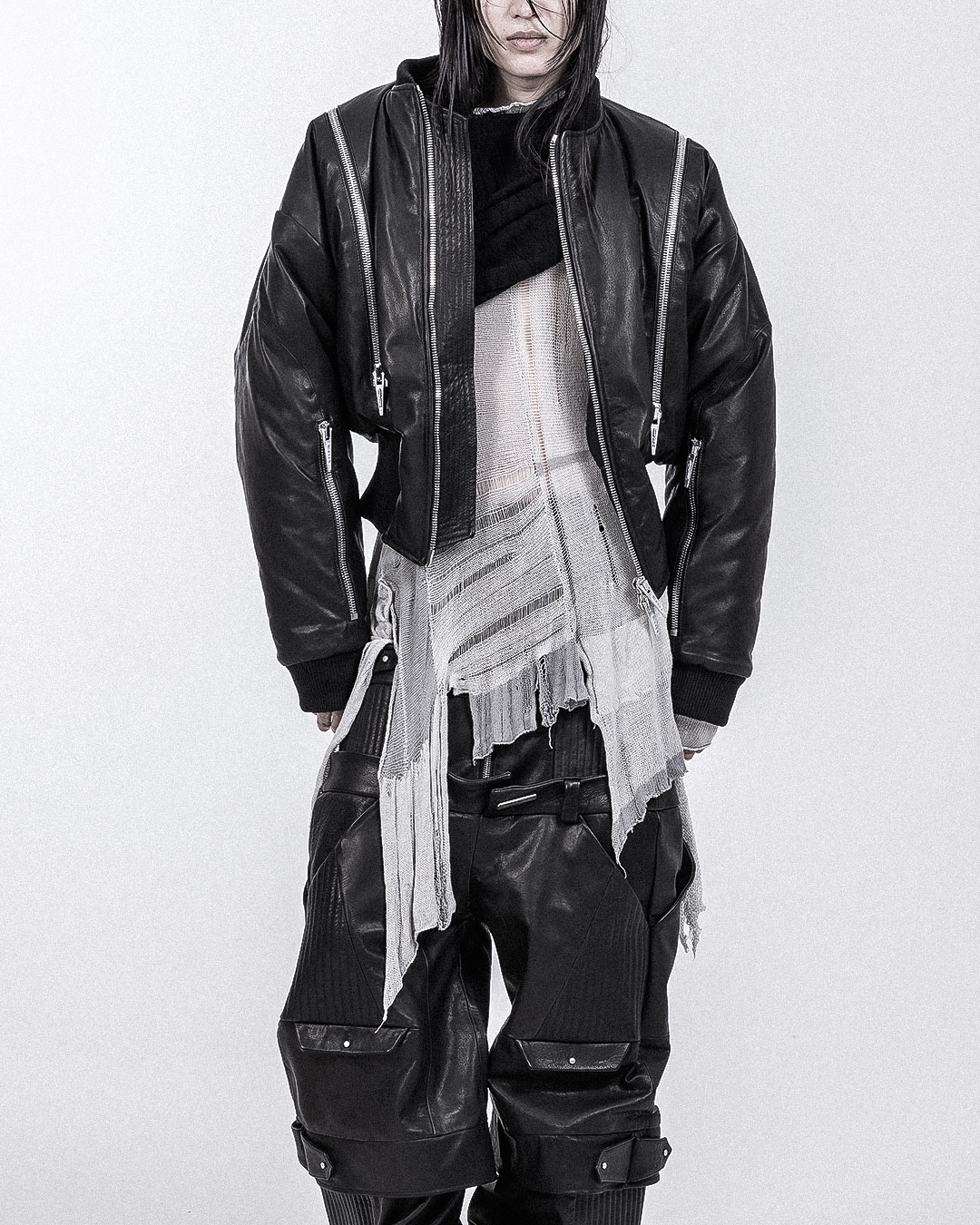
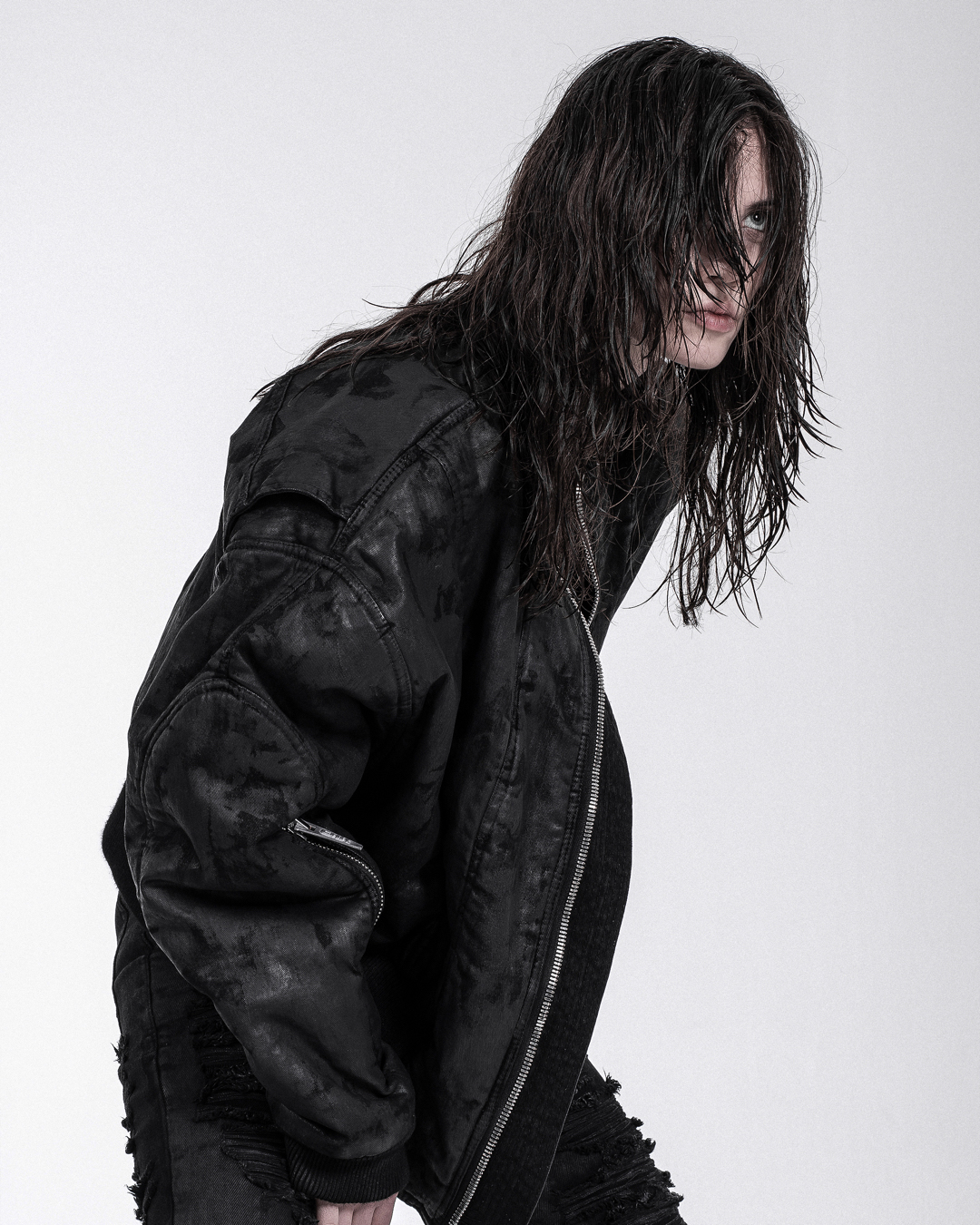
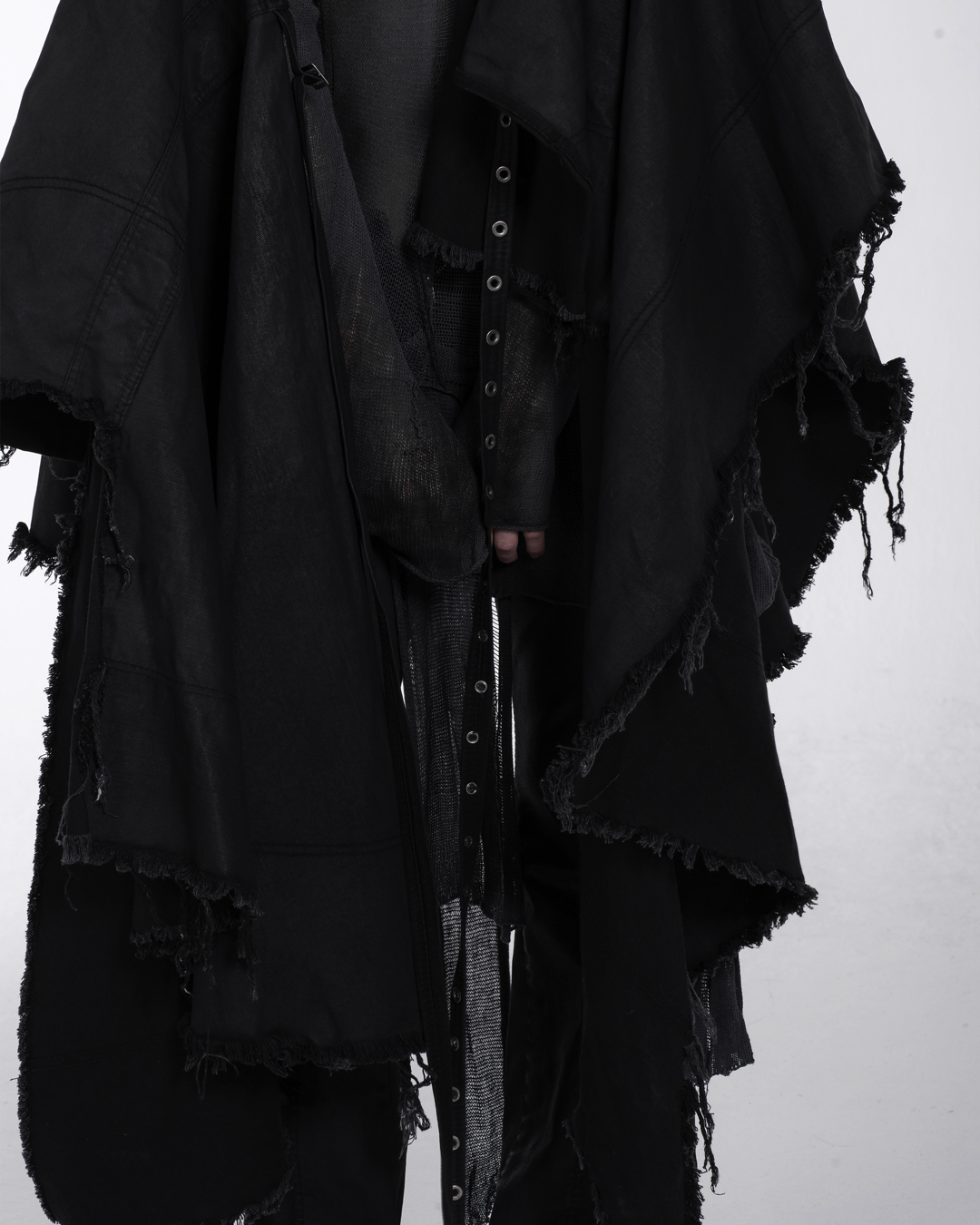
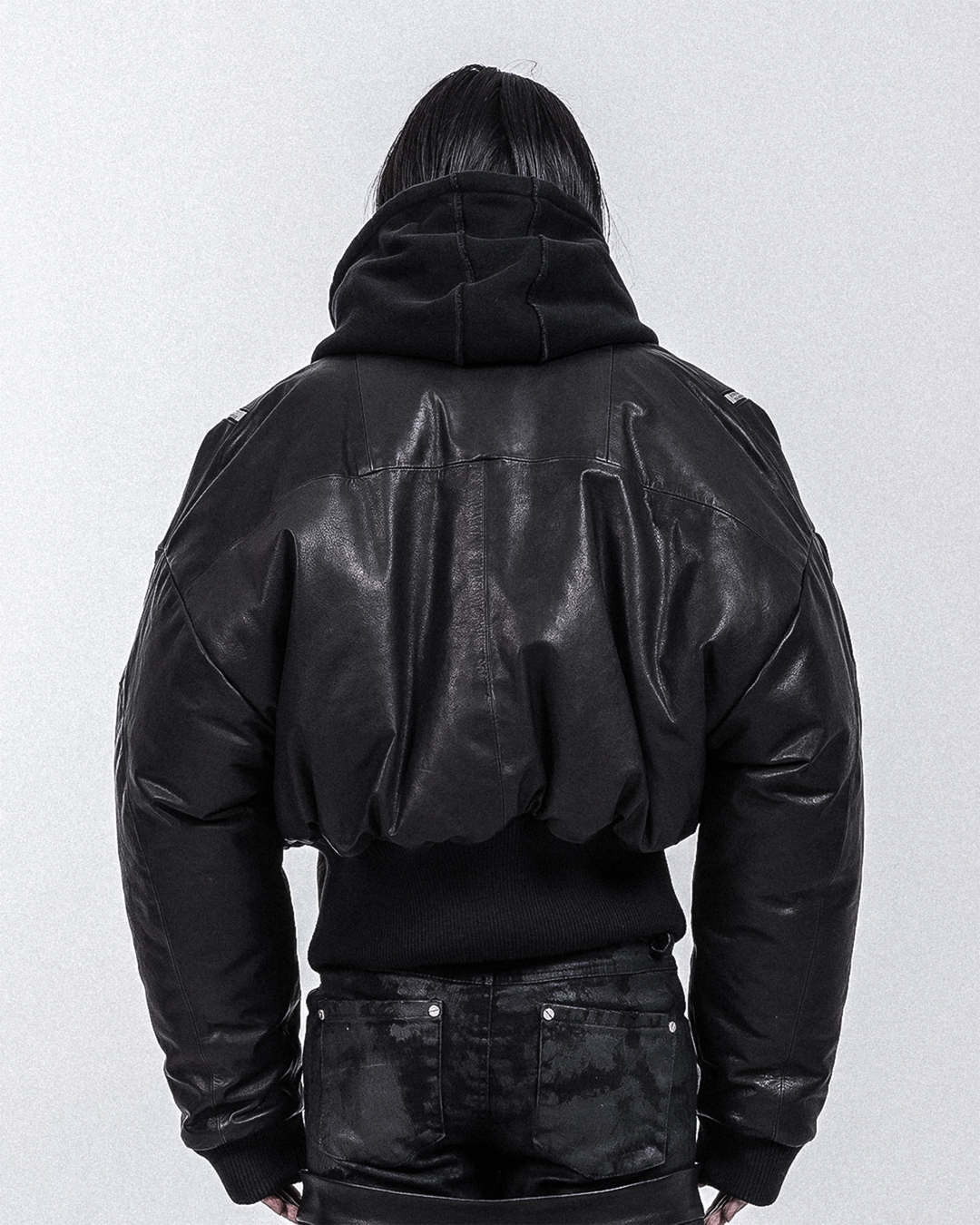
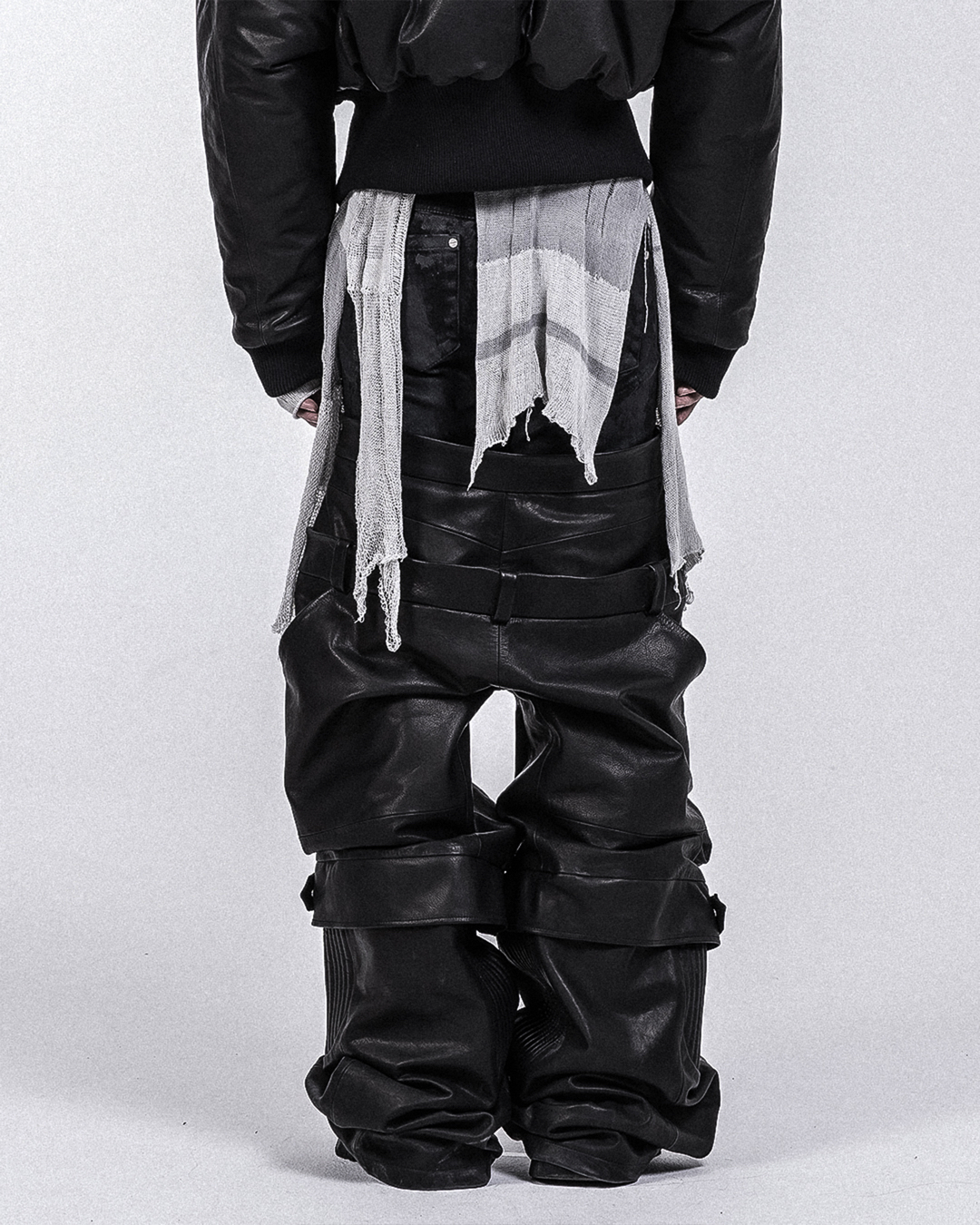
Another crucial aspect of today’s landscape is the subtle, yet decisive, difference between using critique as a slogan and genuinely integrating it into a brand’s language. When fashion brands reduce rebellion to a statement, it inevitably becomes a marketing strategy, ultimately reinforcing the very system it claims to challenge. For Chronos Corps, however, critique is embedded in the very construction of the project: in structures that seem to survive rather than decorate, in surfaces that retain traces, in forms that do not seek harmony, but presence.
Within these presences, time acts as an active agent. It is from this intuition that the brand is born: time ceases to be just a measure, and the object becomes a trace. Their references outline a context in which the human is redefined, and the body represents a site of resistance, memory, and transformation.
Even the founders, while grounded in such a defined vision, acknowledge the constant risk of being absorbed by the dynamics of the fashion system. But this is precisely where the challenge lies: not in the illusion of remaining pure, but in the ability to remain lucid, more rigorous, and less narcissistic. The goal is not to gain approval, but to generate a shift, without expecting to be welcomed or celebrated by the system.
According to the founders, “avant-garde can play a decisive role in the future of fashion only if it stops considering itself an aesthetic niche and returns as a force of redefinition. If it has a future, it will be because it can propose not a decorative escape, but another idea of form, body, value, and time. Not an internal correction, but a different possibility.”
Fashion must return to building worlds. In this sense, Chronos Corps does not follow; it anticipates. Through its aesthetics and values, it is already outlining a realm that exists beyond the present. A world after the world.
Words: Ada Maria Francesca Romeo @_adaromeo
Photos: Courtesy of Chronos Corps
Photography: Denni Sereni @dephotoportraits_
Models: Lee Chen @chen_liz & Giovanna Di Fraia @joahnfray
www.chronoscorps.it
@chronos.corps
GALLERY



Comments are closed.