

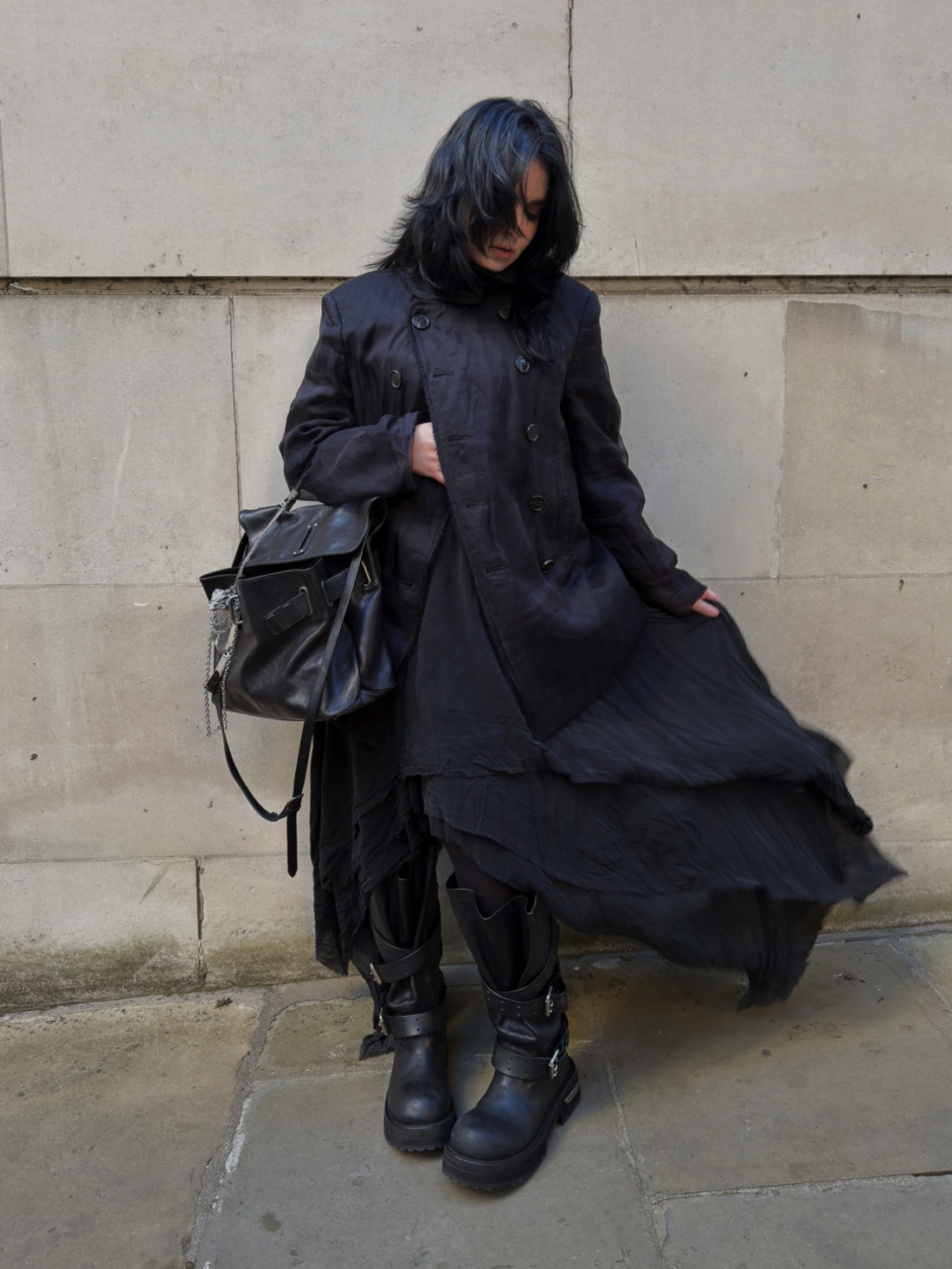
By Anastasiia Spasova | Fashion Writer and Curator
The longer you spend around fashion, the more your relationship with your wardrobe changes. At first, you simply want to own something by the designers you admire. Then you learn the collections, recognise seasons, and distinguish the defining pieces from the merely desirable ones. Eventually, ownership itself stops being enough. What matters is finding the object that seems to crystallise a designer’s way of thinking — or a particular design logic.
Every wardrobe begins as something practical. Over time, almost without noticing, it starts to behave less like a wardrobe than a collection. Fashion collections, like art collections, are governed by their own private principles: coherence rather than abundance, relationships rather than novelty, selection rather than accumulation. Gradually, admiration turns into taxonomy: one Margiela, one Yohji, one Helmut, one Comme des Garçons. Not because each object transforms the way you think, but because each contributes something distinct to the collection’s internal logic — a logic that ultimately remains the collector’s private secret. Now and then, however, a single piece escapes that system. Instead of merely representing a designer, it seems to condense an entire philosophy into one object, as though years of returning to the same obsessions had quietly settled into leather, stitching and weight.
Once my wardrobe had quietly declared itself a collection, the question changed. I stopped asking whether I simply liked the object I was buying and began asking whether it introduced a new idea — whether it expanded the logic of the collection rather than merely increasing its size or variety. My love of fashion was no longer sufficient on its own, so I introduced a new rule: if something was going to enter the collection, it had to earn its place within it.
For a long time, this was exactly my problem with A.F.Vandevorst.
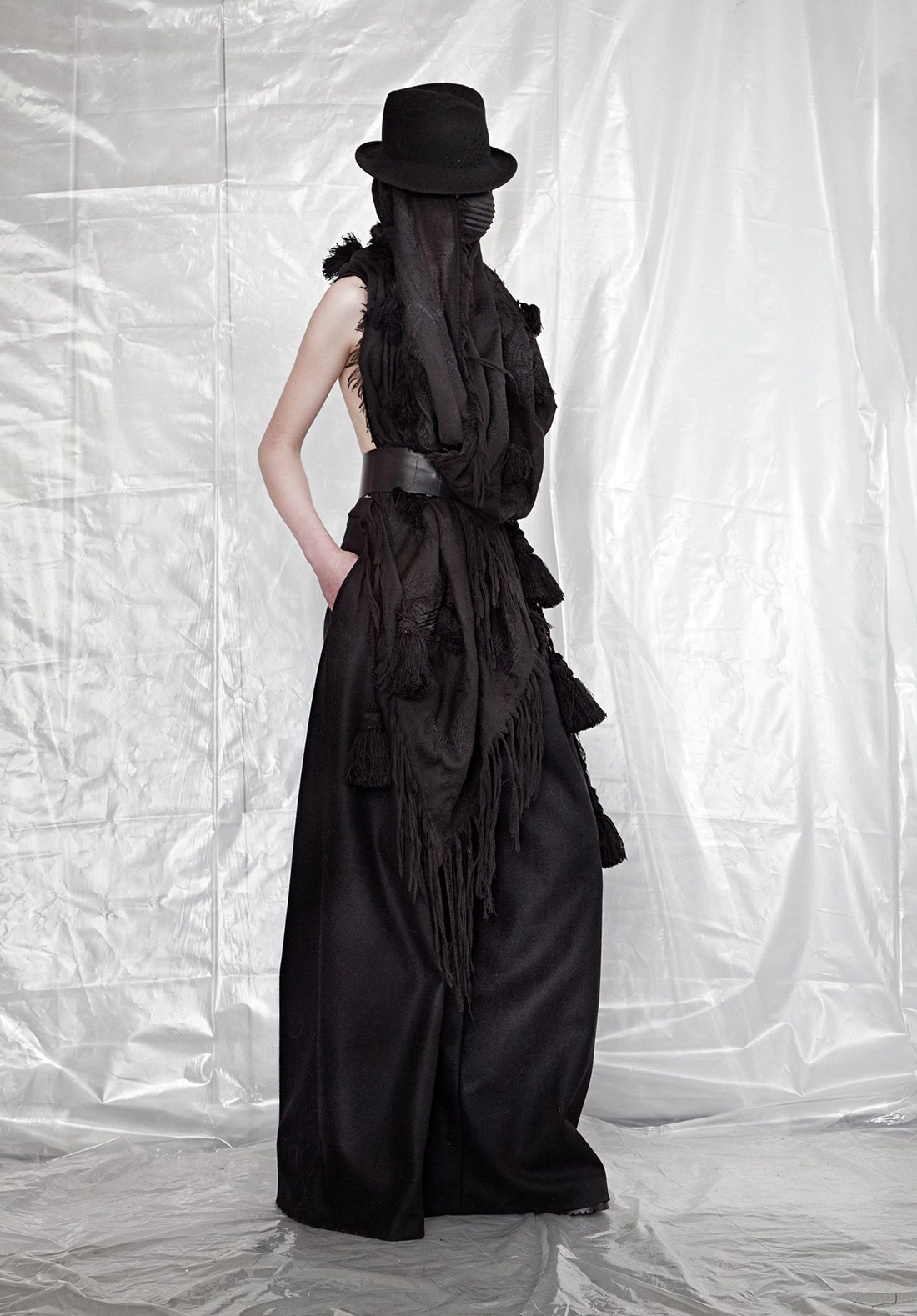
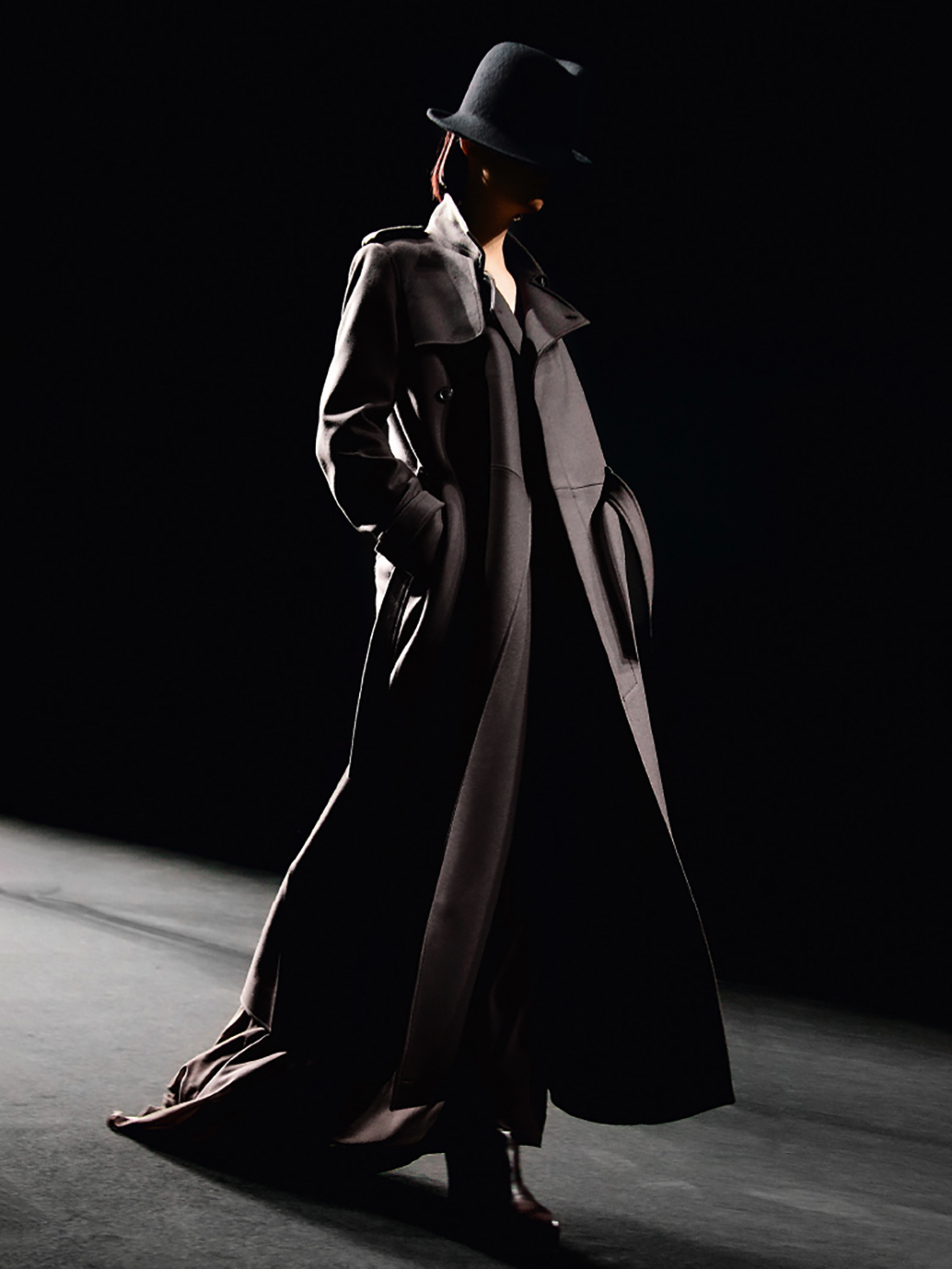
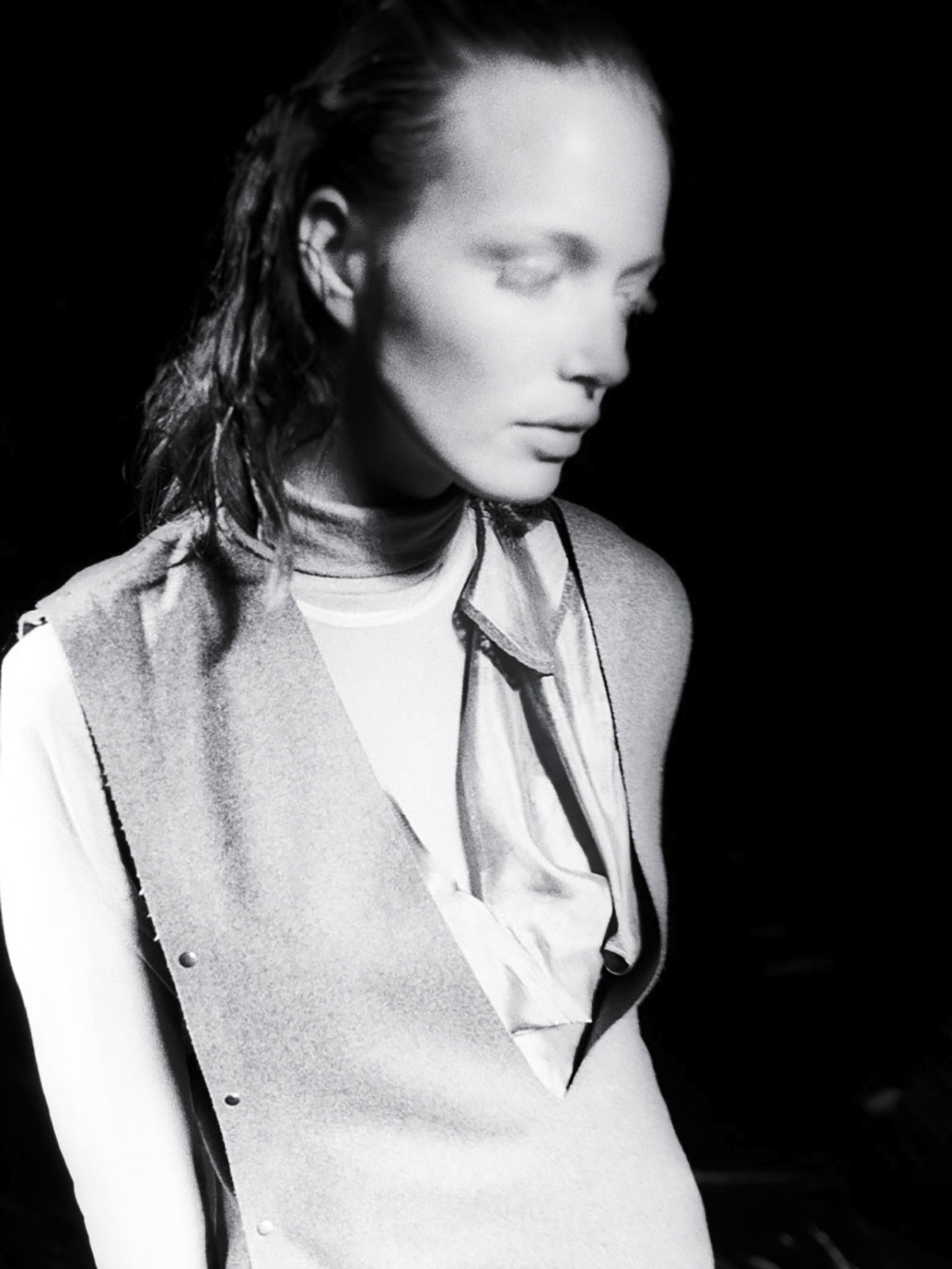
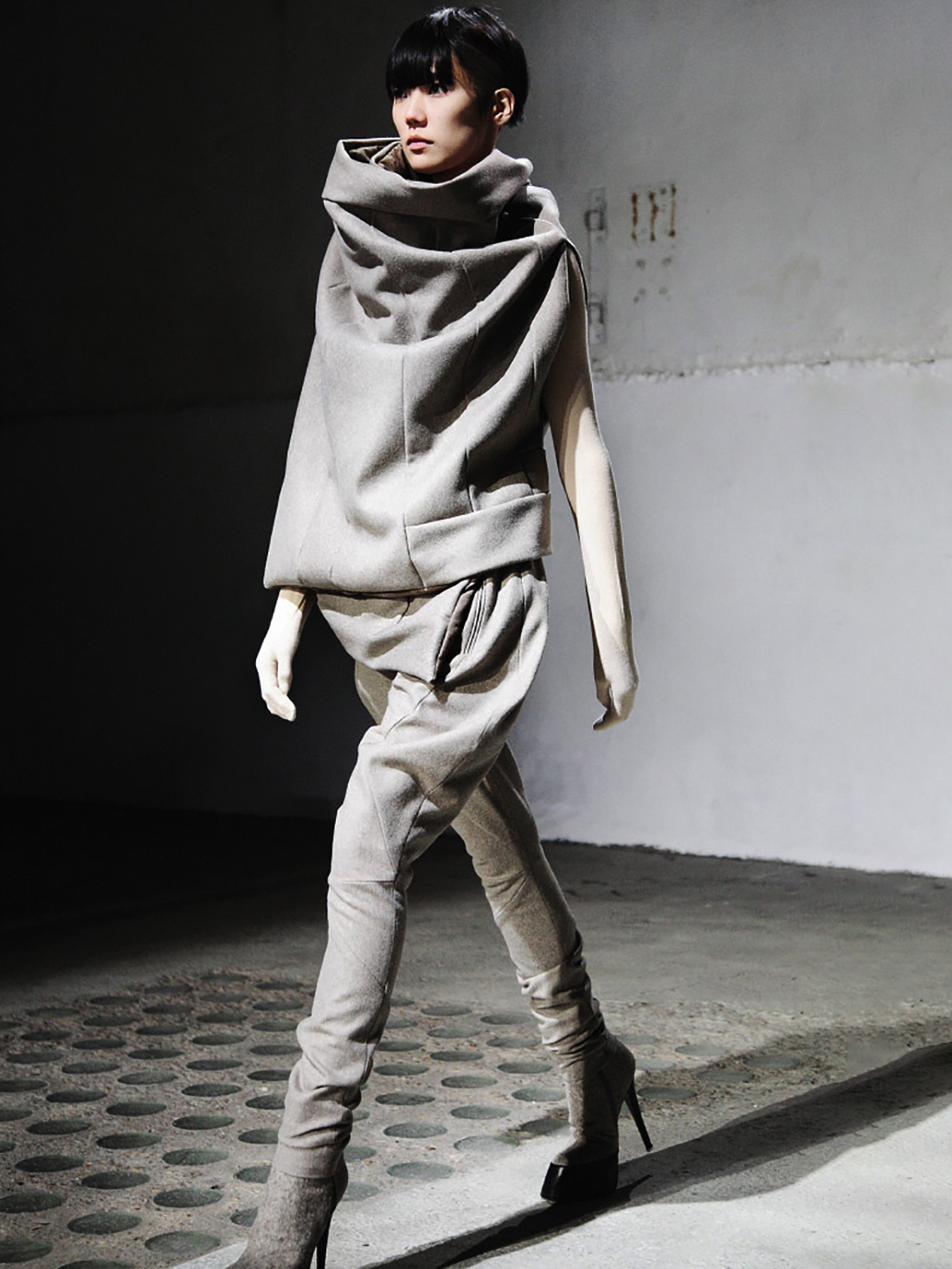
Founded by An Vandevorst and Filip Arickx, A.F.Vandevorst occupies a singular position within the Antwerp tradition. Their work is constructed through sustained contradictions: military uniforms and lingerie, hospital garments and sensuality, protection and exposure, armour and vulnerability. These are never treated as opposites, but as different expressions of the same gesture. I never wanted to own an A.F.Vandevorst piece simply for the sake of ownership. I was waiting for an object capable of condensing the emotional grammar of the brand into a single form — something that could feel simultaneously protective and exposed, disciplined and deeply loved.
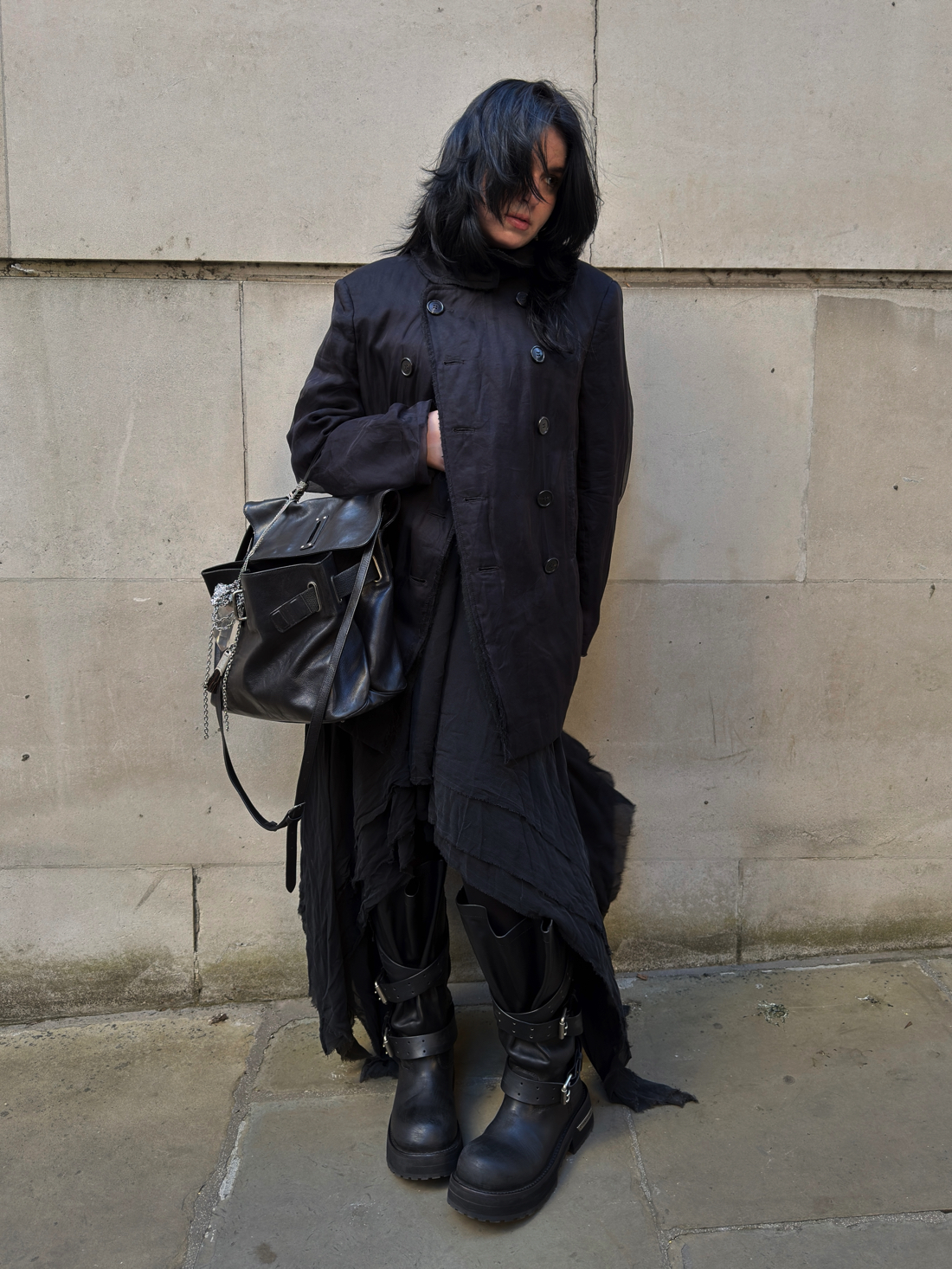
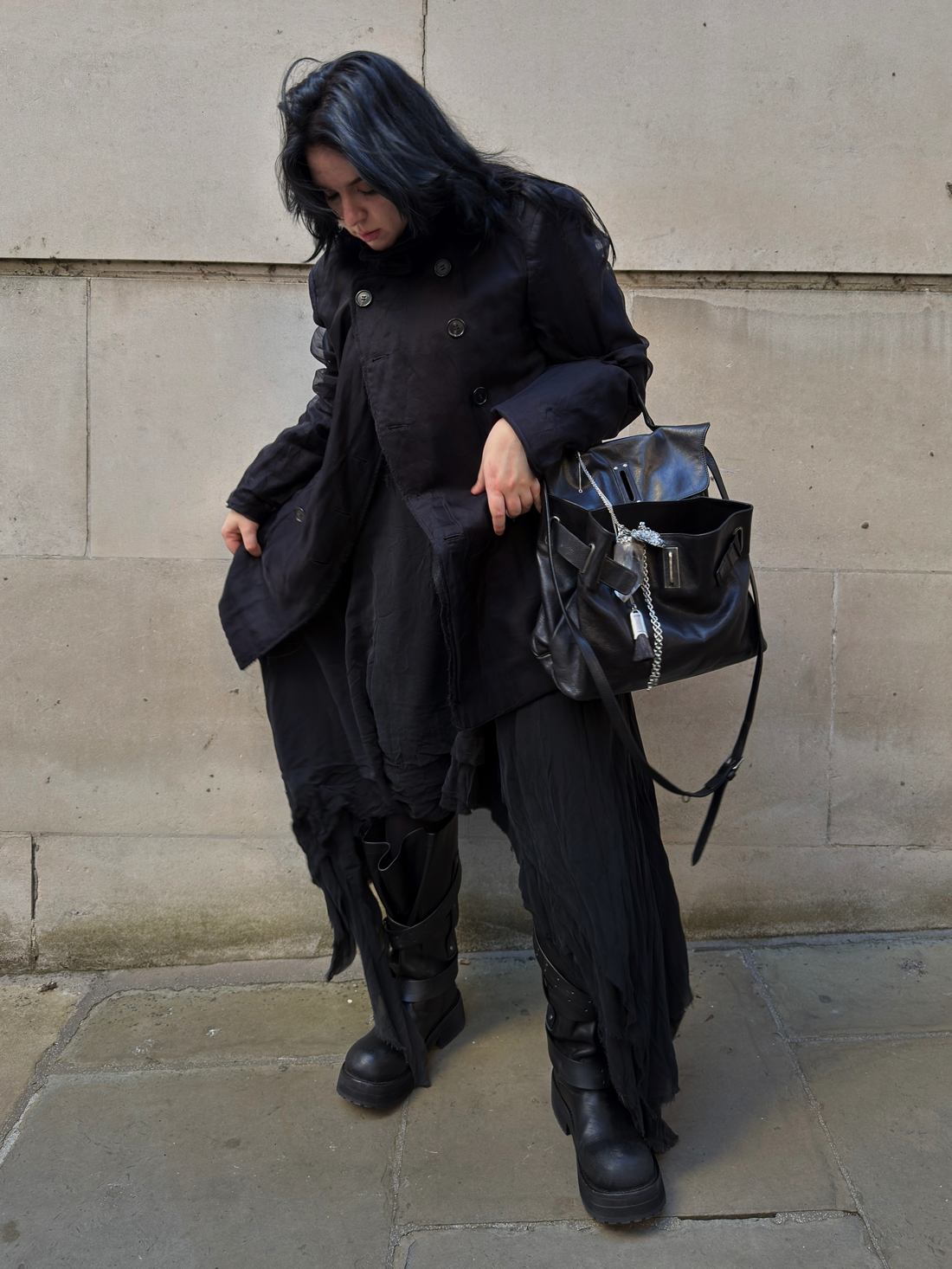
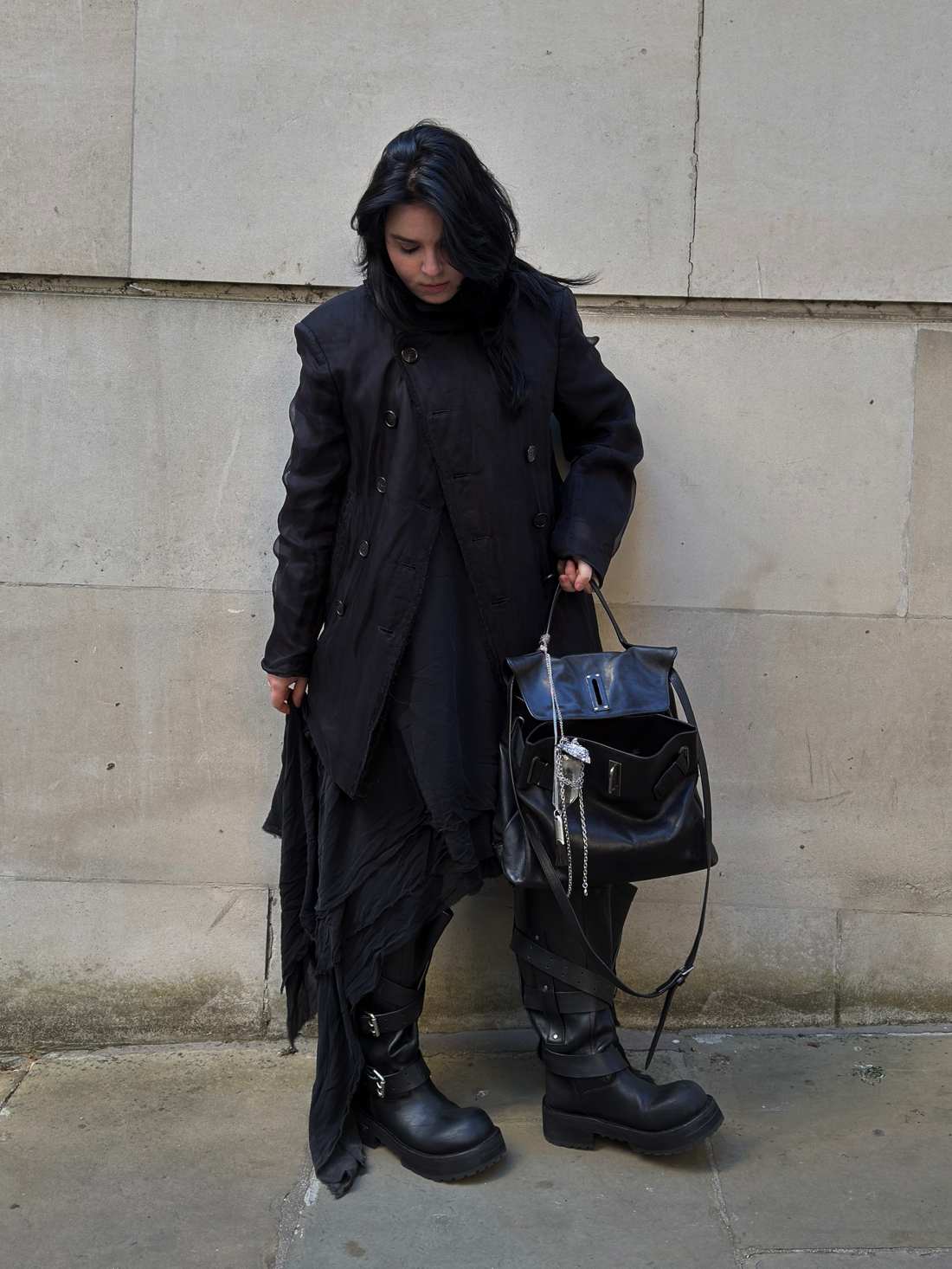
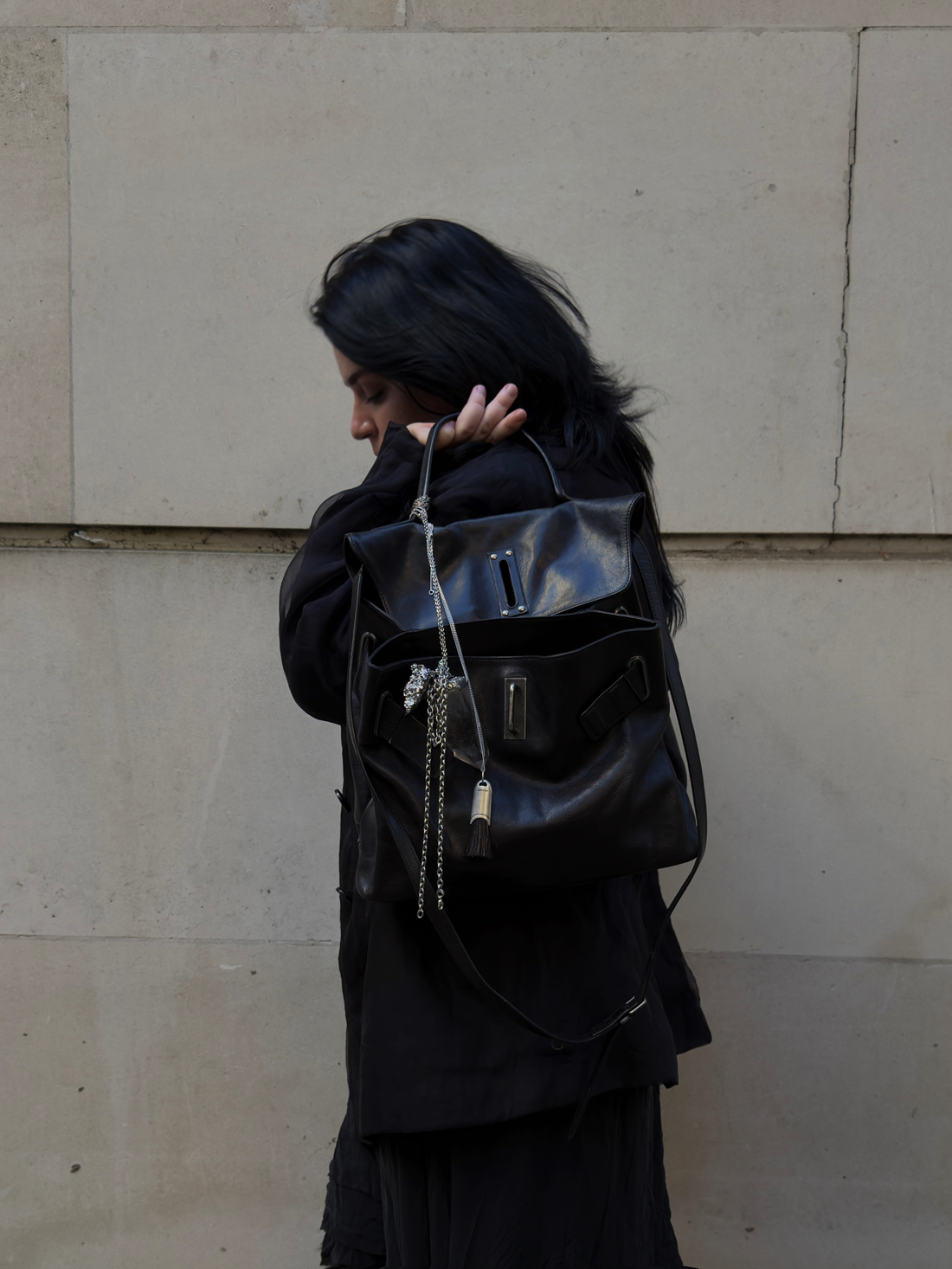
Unexpectedly, that object turned out to be a handbag.
What surprised me was not merely that I had chosen an object outside the most recognisable vocabulary of the house — although my curatorial instincts did suggest that its relative obscurity made it all the more compelling, like encountering an uncatalogued work by an artist you thought you knew. What surprised me was that a handbag could contain so much of the brand’s language. Archival avant-garde fashion rarely builds its mythology around accessories; its defining objects tend to reshape the body itself. Accessories play a formative role in contemporary fashion, but historically they have seldom carried the full conceptual weight of a collection. Yet this bag seemed capable of holding an entire A.F.Vandevorst worldview.
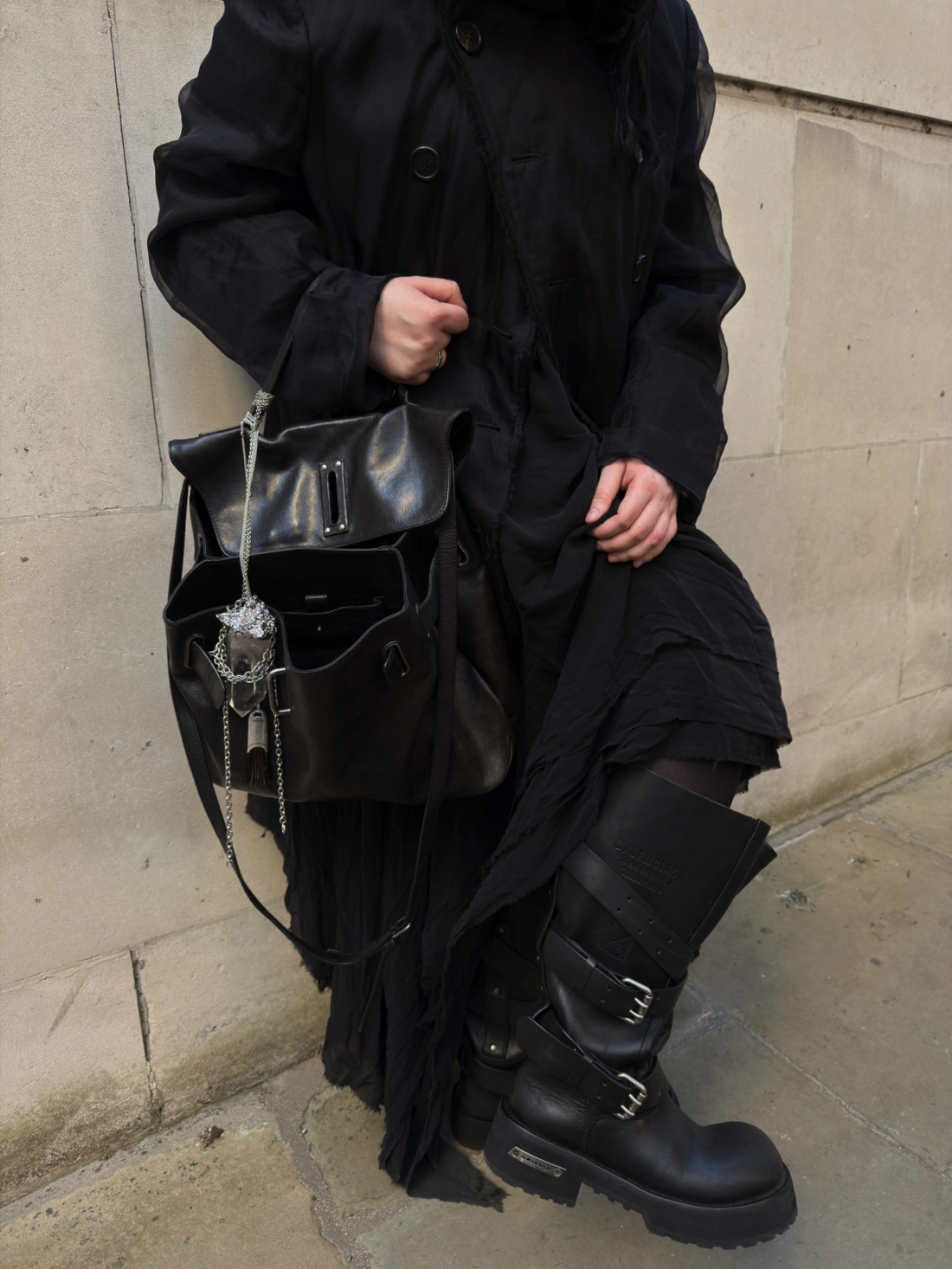
Its form is recognisably that of a luxury handbag, but the usual promise of pristine perfection has been displaced. Its appeal lies in wear rather than polish, vulnerability rather than assurance, endurance rather than display. It is disciplined without appearing immaculate, intimate without becoming sentimental. The contradictions are not staged or illustrated; they have been worked into the object itself. Perhaps this is also where the bag feels unexpectedly contemporary. At a moment when time is becoming one of luxury’s most valuable materials, signs of use no longer necessarily diminish an object. They can give it what newness cannot: duration, evidence of attachment and the sense that something has been allowed to develop a life of its own. The bag does not attempt to look untouched. Its luxury lies precisely in the time it appears to have survived.
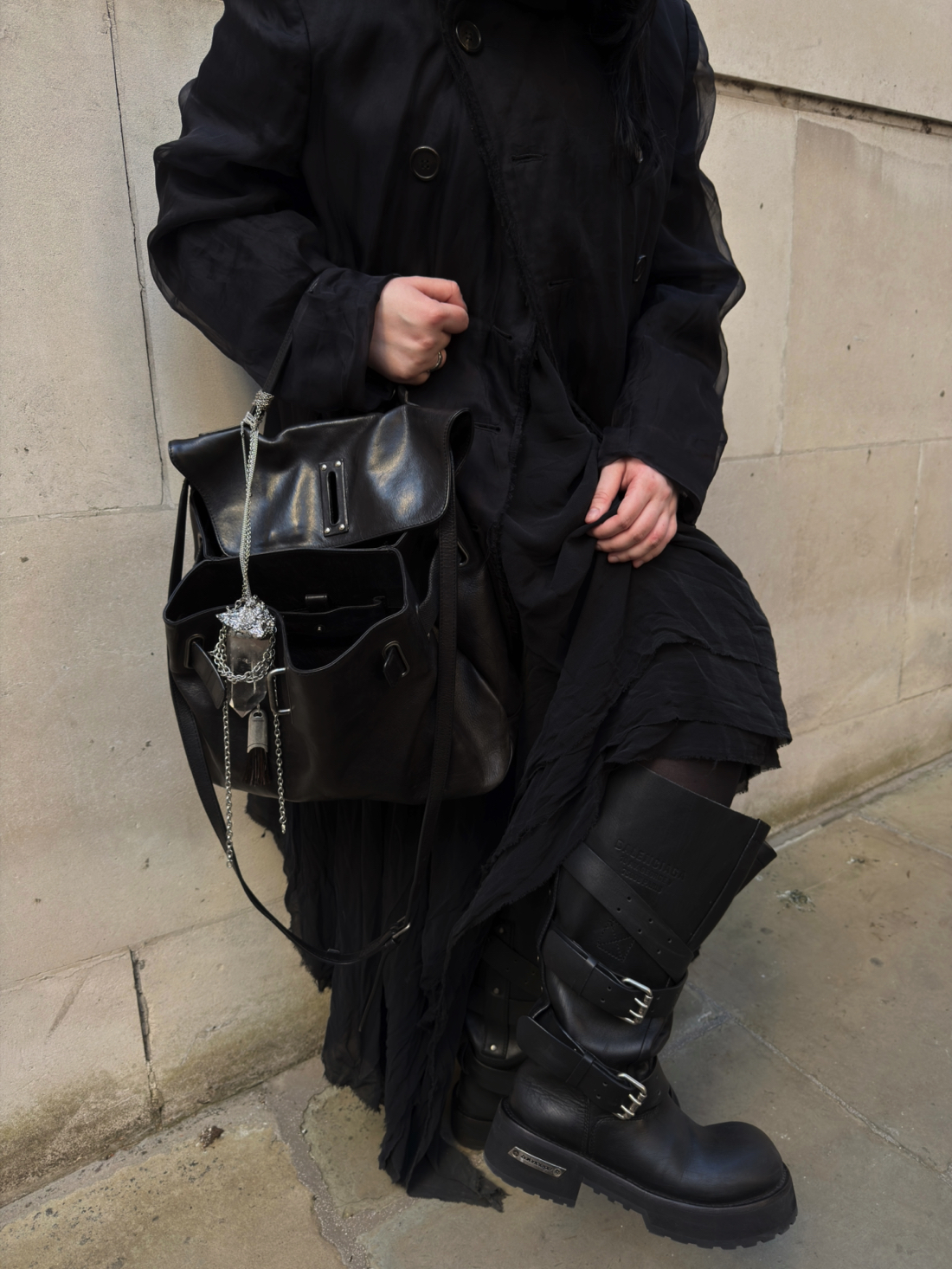
Trying to classify it — and behaving very much like the former art archivist I once was – I searched through editorials, archive accounts, forgotten stockists and second-hand listings, attempting to place it within the history of the house. The more I searched, the less stable its history appeared. Sources contradicted one another, images circulated without dates, and listings surfaced without collection names. After several hours of searching, the object began to resemble an archival rumor more than an accessory: something preserved through memory, repetition and use rather than through documentation. I never found another reliable reference to this exact bag — not in runway records, editorials or archival databases. Then, after I finally posted it on Instagram, A.F.Vandevorst themselves reposted the photograph. Provenance, twenty-first-century edition. Hardly conclusive, but oddly satisfying. Traditionally, before a museum acquires an object, its provenance is reconstructed, its documentation compared and its historical relationships established. Without consciously intending to, I realized that I had begun approaching fashion in much the same way.
In the end, failing to identify the exact season mattered less than I had expected. The bag’s place within the A.F.Vandevorst archive did not depend on a collection number or runway appearance. It was already legible through the tensions that define the designers’ work. Military severity never cancels intimacy; hospital references never exclude sensuality; protection and exposure are held within the same gesture. The bag carries these tensions without turning them into symbols. Its disciplined construction suggests uniform and restraint, while the worn leather makes that structure feel vulnerable, handled and personal. It does not simply belong to the A.F.Vandevorst archive; it concentrates its emotional logic into a single object.
More than anything, however, it reflects something I have come to recognize in the designers’ practice: a loyalty to certain obsessions. Not obsession as excess, but as repetition with purpose — returning to the same tensions, materials and questions until they cease to be themes and become a language. Perhaps this is why I have never thought of it primarily as a handbag. It feels closer to what an anthropologist might call a ritual object — or perhaps simply a companion whose practical function has gradually become inseparable from the emotional work it performs. I carry it to museums, airports, meetings and grocery stores, yet it never becomes entirely ordinary.
Looking back, I realize that what I recognized in this bag was not only A.F.Vandevorst’s design language, but a way of living with objects. For a long time, I thought I was simply building a wardrobe of my dreams. In reality, I had been building a collection. And this bag did more than earn its place within it; it clarified what the collection was for — not the accumulation of fashion, but a way of living with ideas in material form.
Words: Anastasiia Spasova @vbmgr
Photos: Anastasiia Spasova and A.F.Vandevorst
@afvandevorst
www.afvandevorst.com
GALLERY
Comments are closed.