

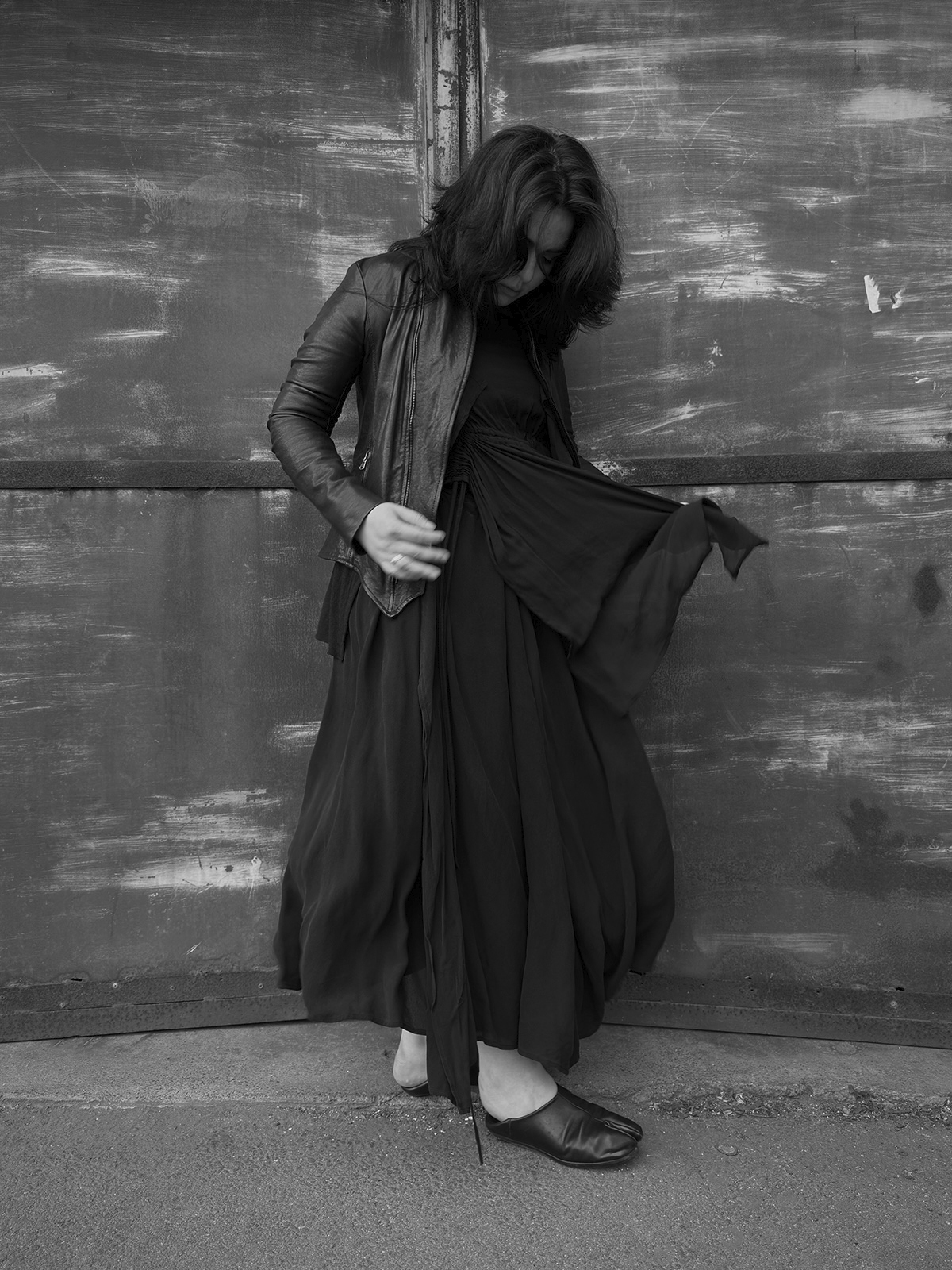
By Anastasiia Spasova | Fashion Writer and Curator
Some objects feel instantly familiar, as if you have already known them – not in memory, but across past, present, and possible futures; in associations, in fragments of experience, in traces you cannot fully name. Their value is not intrinsic but exists in the lives they have already lived, or in the lives the designer has lived with them. Some things are not made to be consumed; they are lived, narrated through folds, seams, and textures.
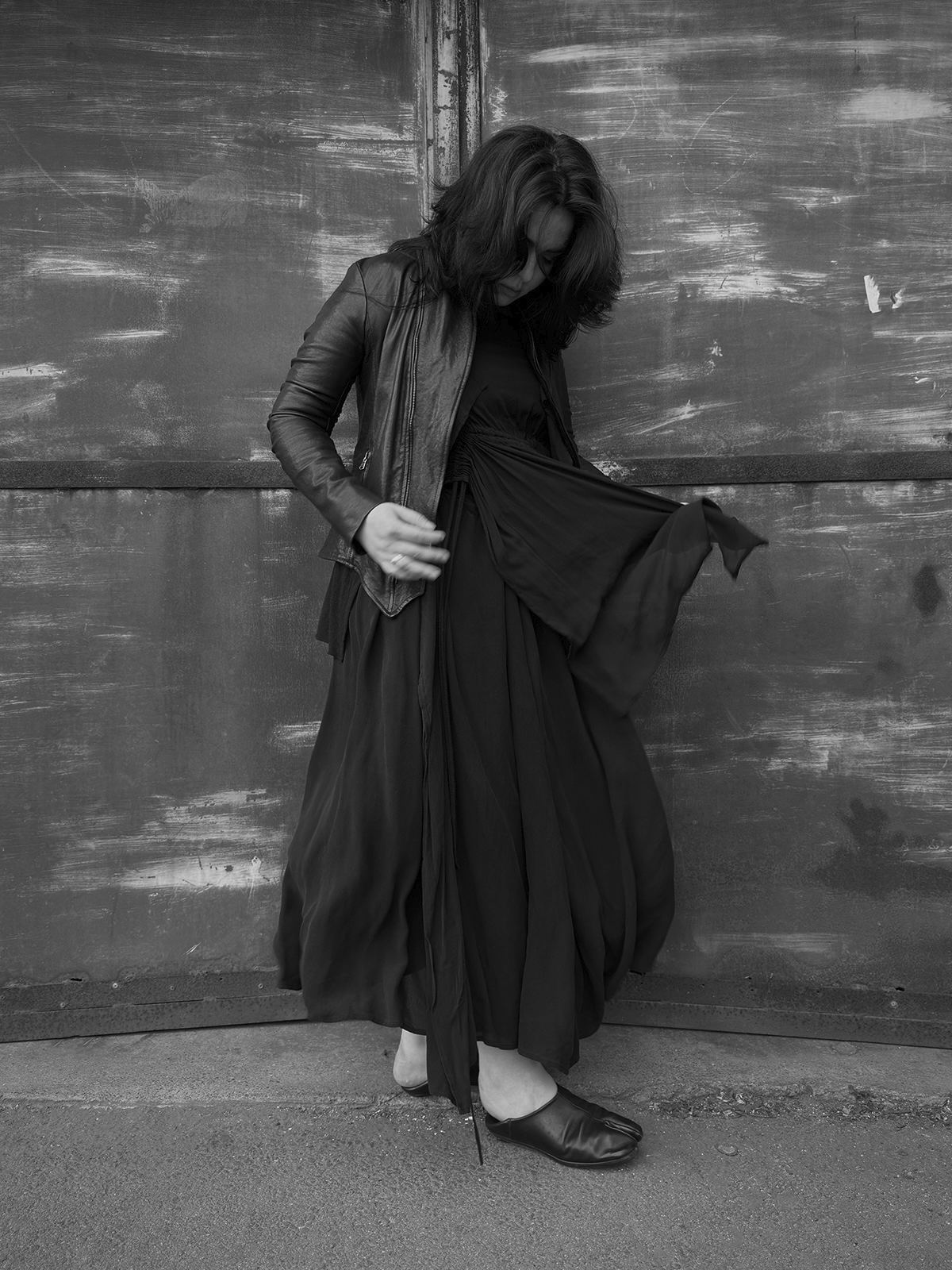
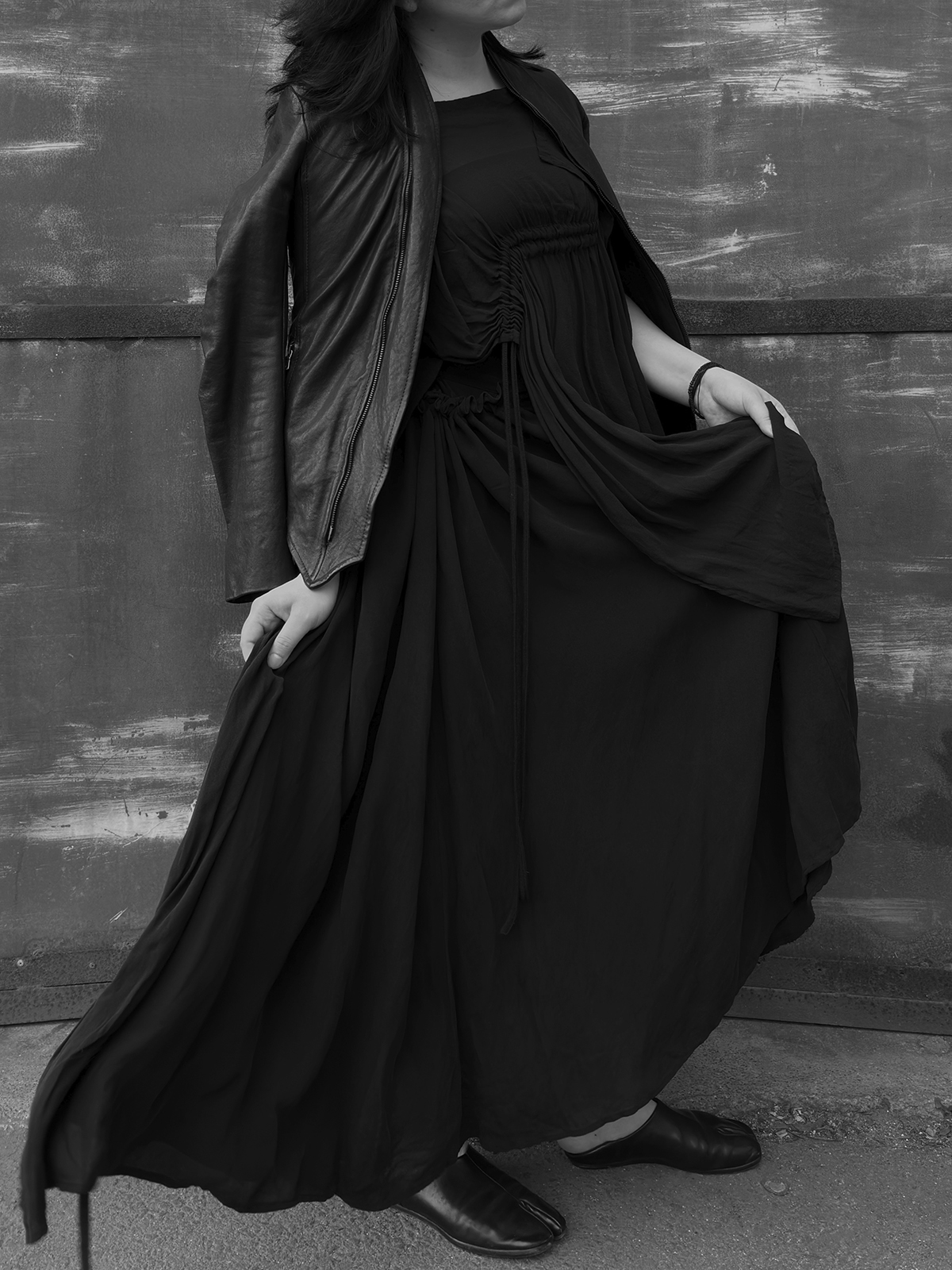
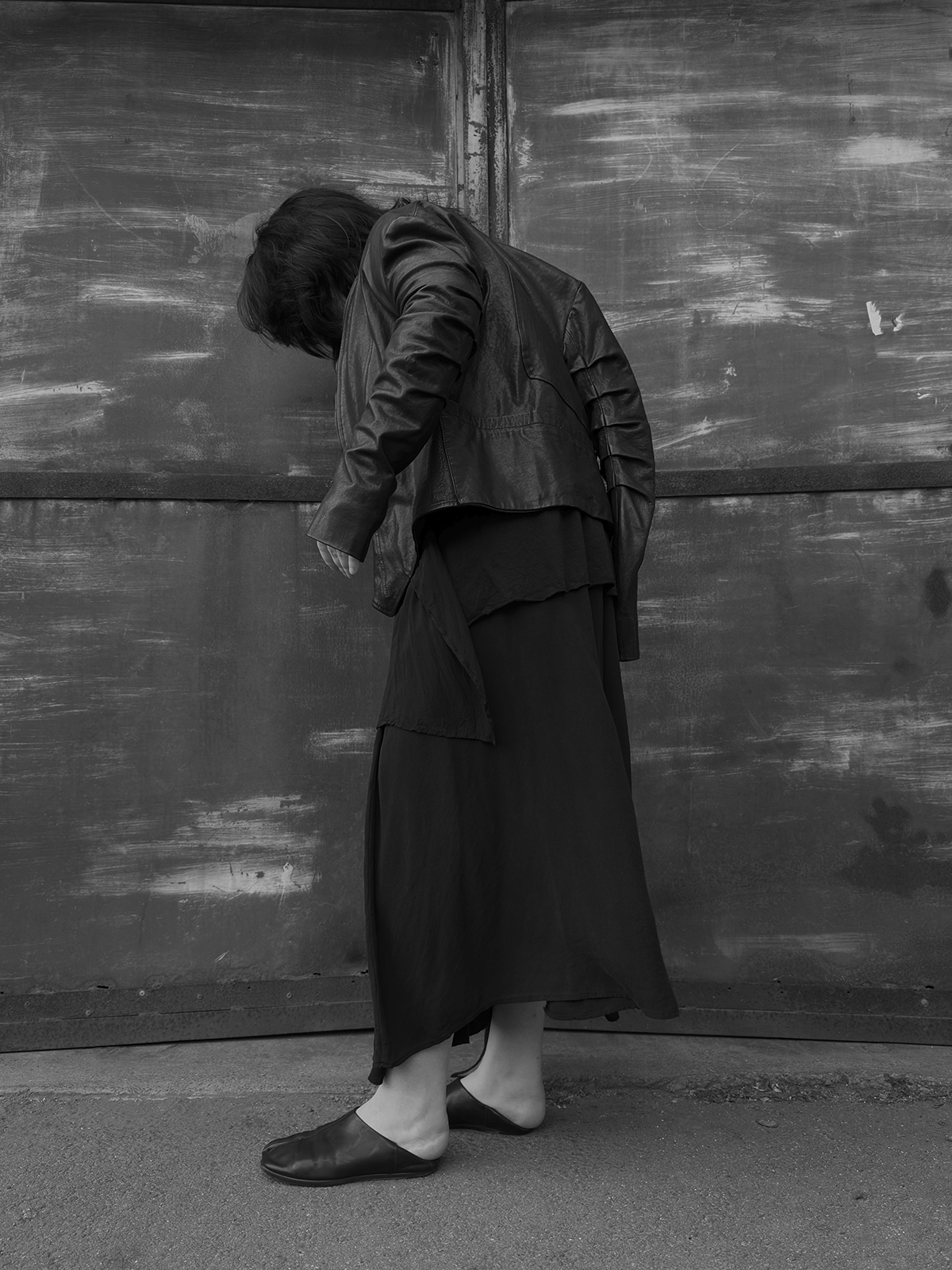
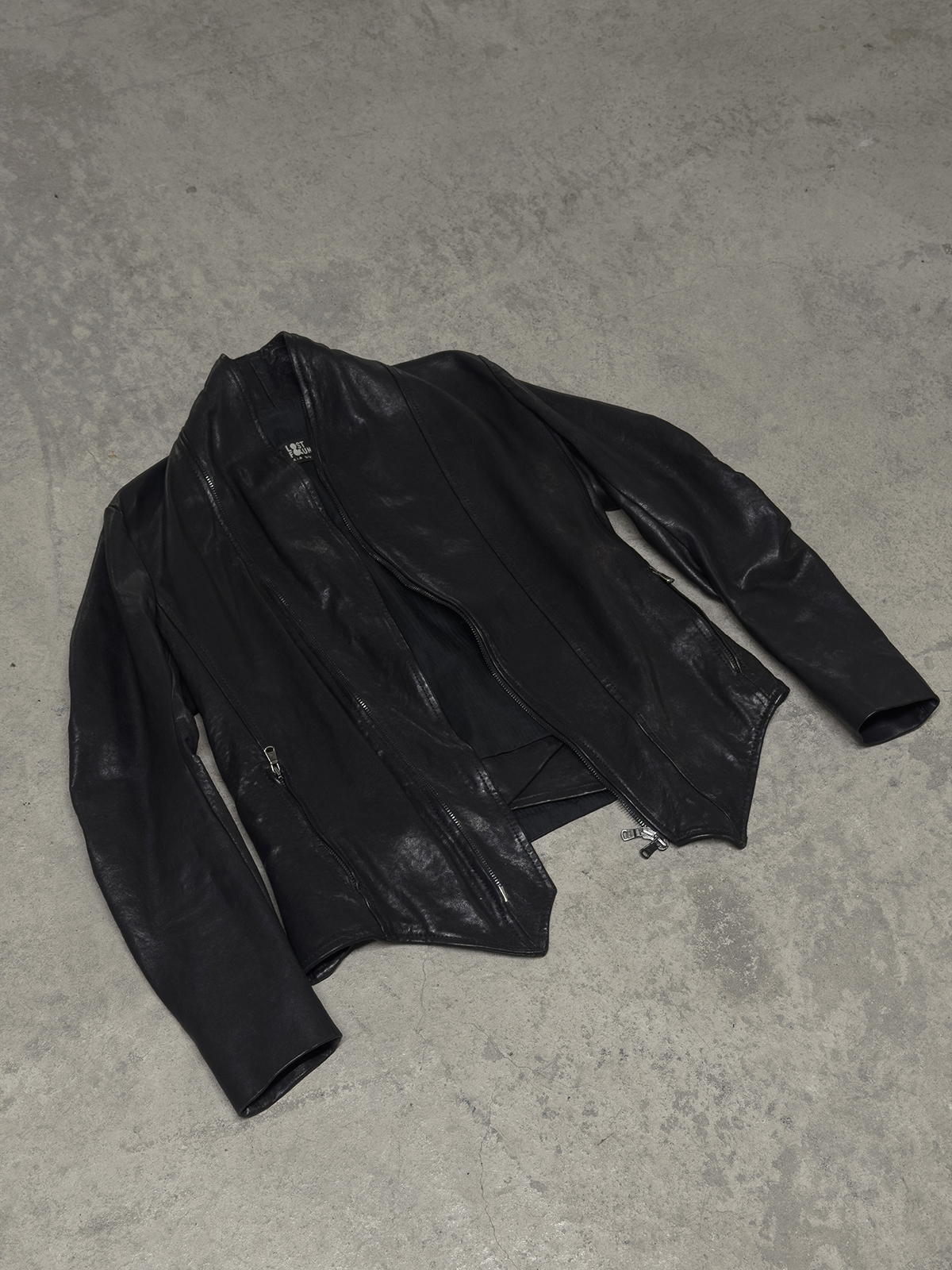
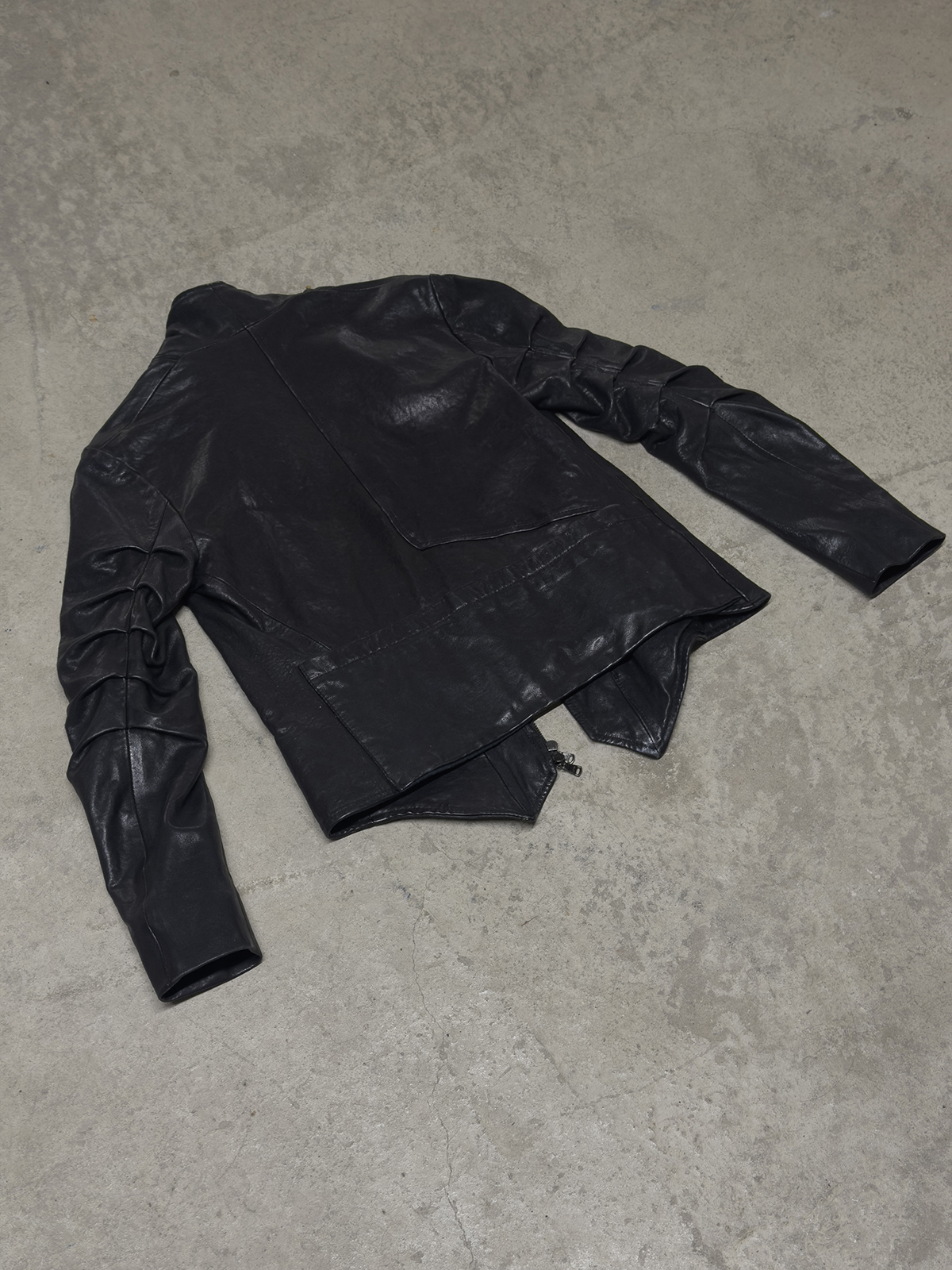
I hold a Lost & Found Ria Dunn leather jacket in my hands, examining its surface just before pressing the “accept” button on my Vinted page. Every crease, every mark, every imperfection speaks of a life that preceded me.
I have not bought a leather jacket since the moment when rain in Florence destroyed my favorite one, which I had found at a flea market in Italy in 2016. Ten years have passed since then – since I came to terms with the loss, or perhaps found a replacement that finally felt right.
I remember that moment as clearly as if it were happening now. I stepped out of a bar after a disappointing date, slowed down, and stopped in the middle of the street to absorb every drop of warm summer rain. The decision to get soaked was made almost unconsciously, without regard for what might be lost.
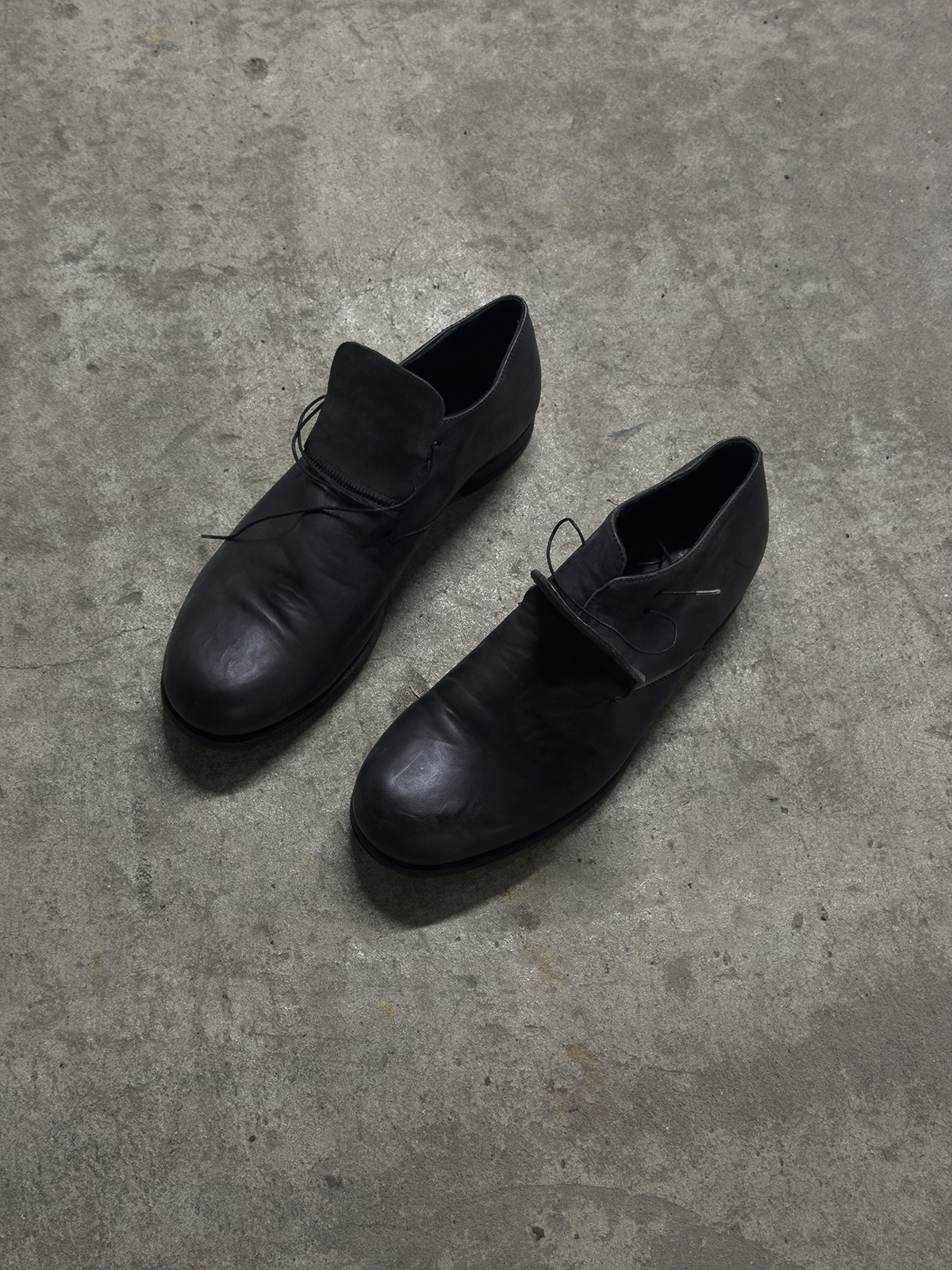
Across the street, a man stepped out of a bar. He glanced at me, took off his striking handmade grey leather boots, and ran barefoot. A practical decision, I thought, and stayed where I was, letting the leather grow heavier with rain, living through its final moments with me.
The smell of wet leather reached me later in my room – pleasant, yet bitter – a sensory archive of mistake, loss, and the fragility of attachment, unfolding through a new contact.
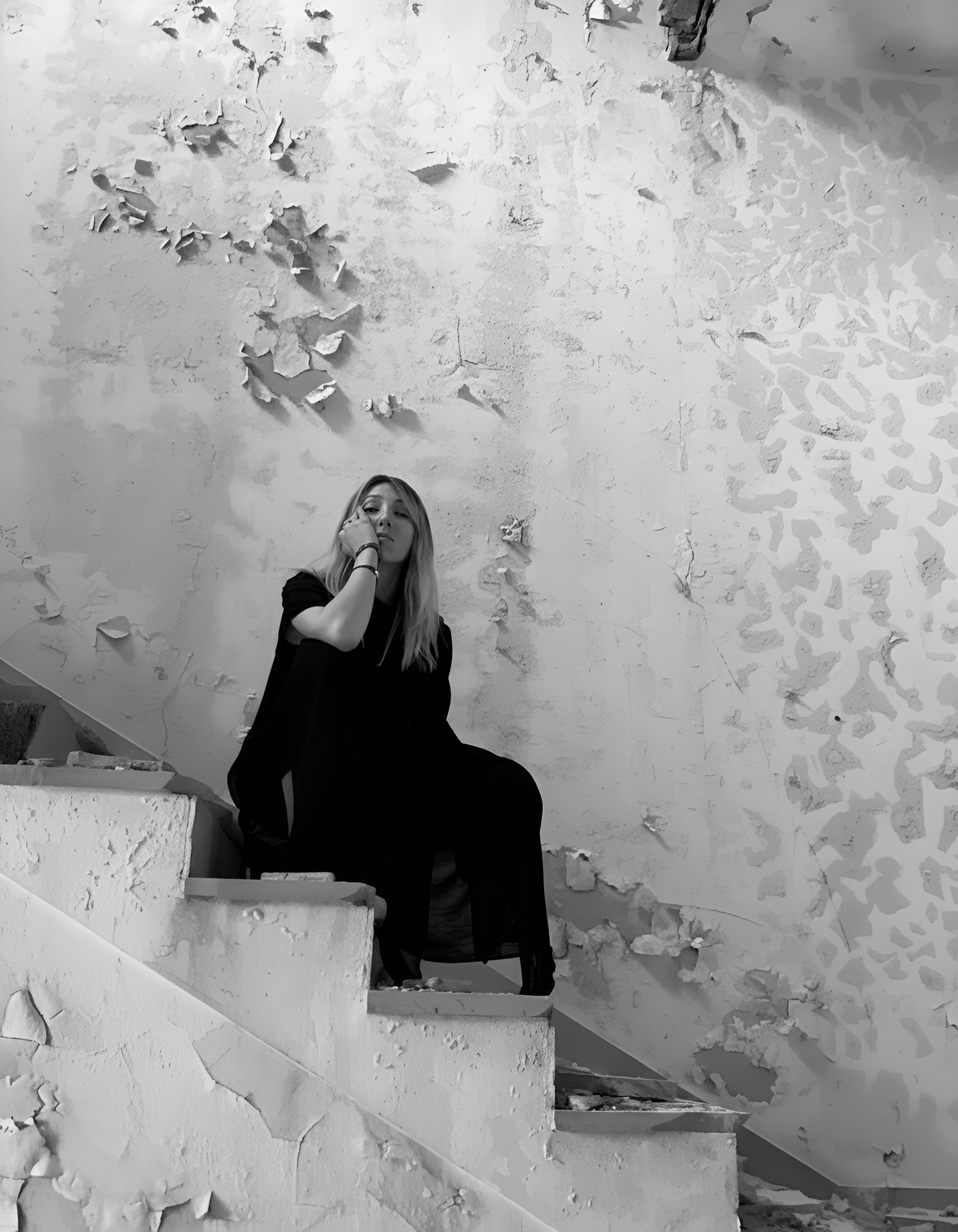
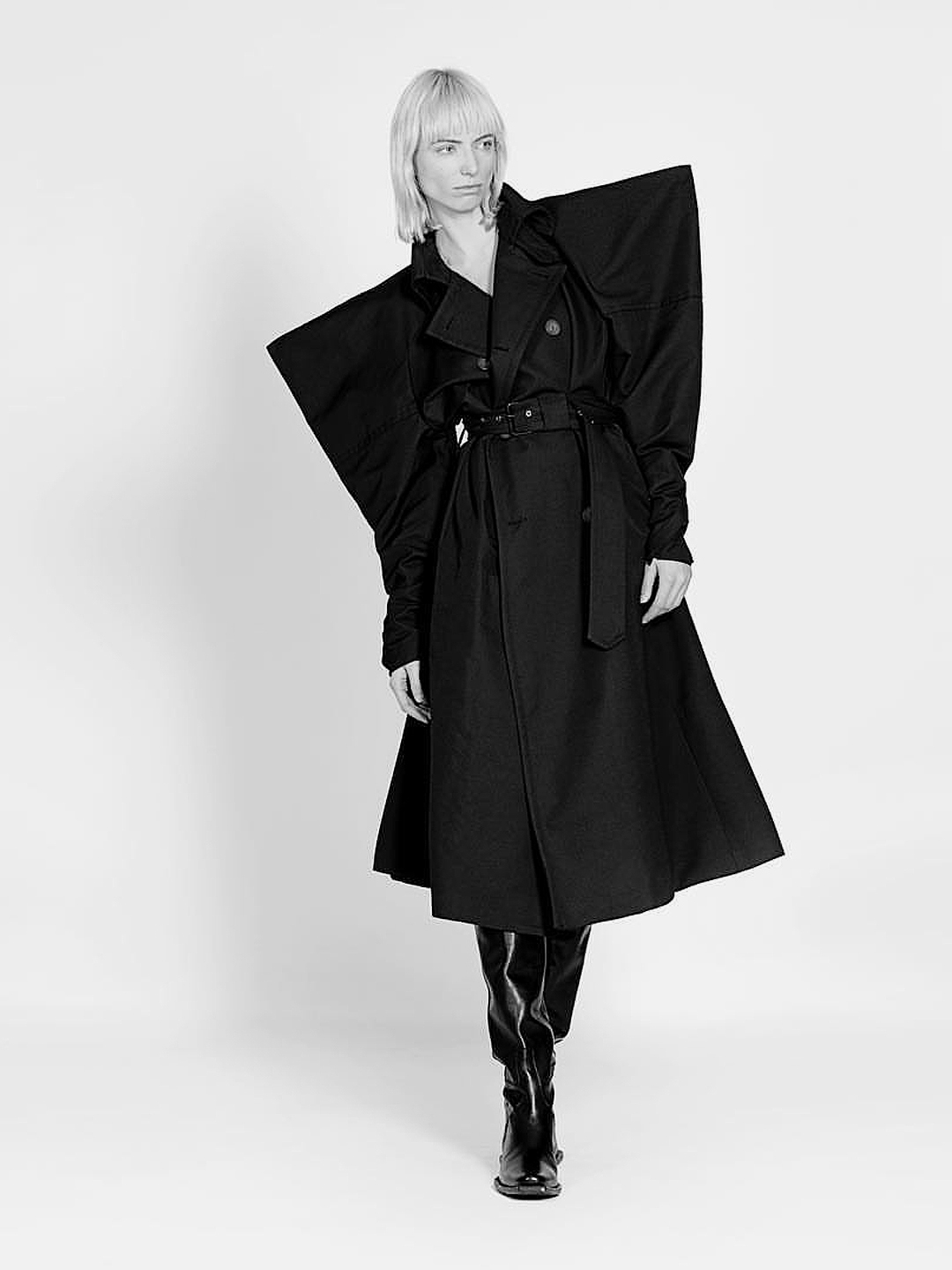
Emerging in the late 2000s, at a time when fashion became increasingly fast, global, and image-driven, Lost & Found positioned itself as a quiet opposition to this rhythm. Rather than following seasonal cycles and constant renewal, the brand worked with a different sense of time – one based on continuity, repetition, and material persistence.
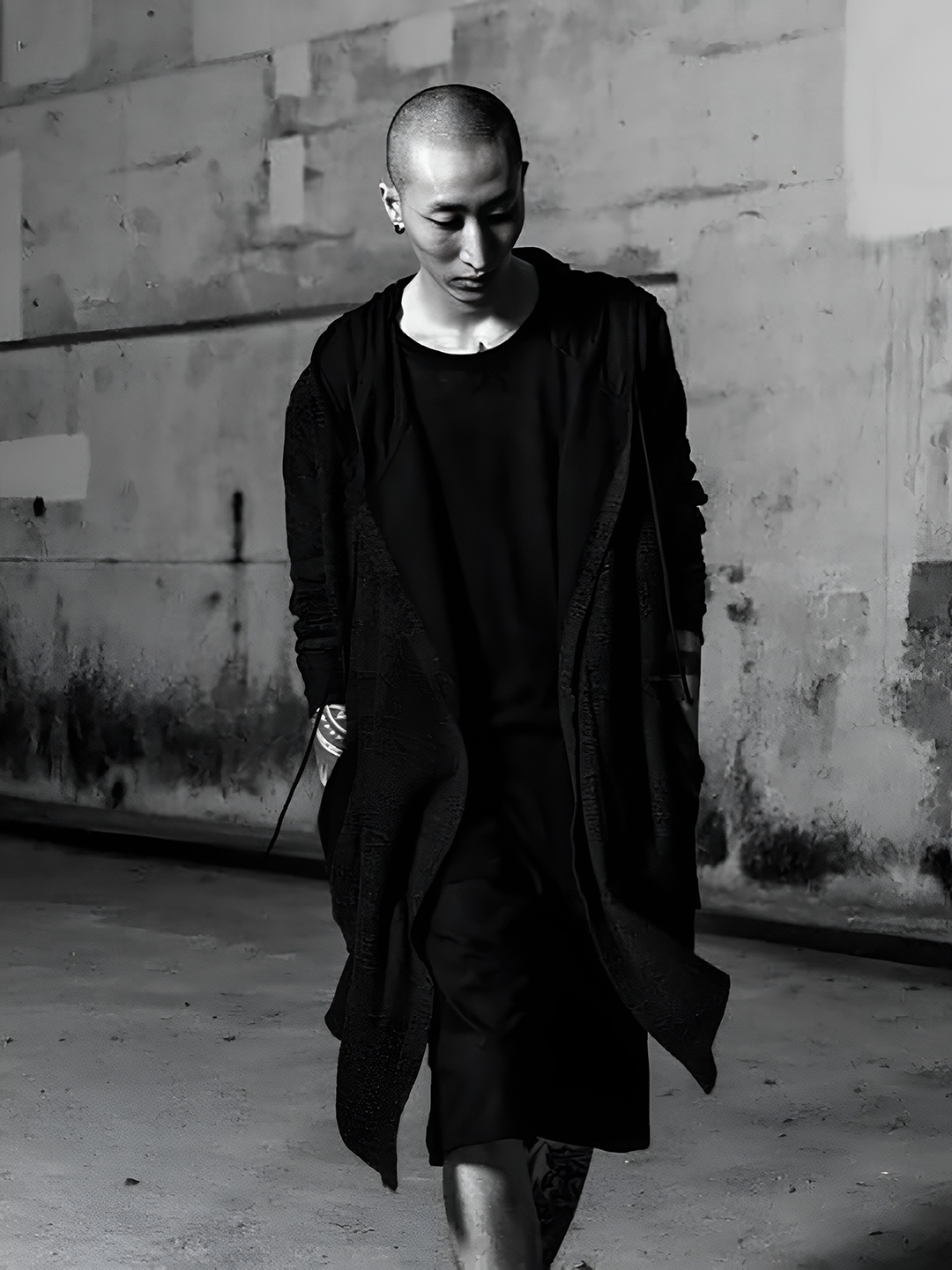
Its garments draw on pre-industrial techniques and historical references, but without turning to nostalgia. They do not belong clearly to the past or the present. Instead, they exist somewhere in between, unsettling the idea that fashion must always move forward.
This temporal logic is inseparable from Ria Dunn’s background in fine arts, interiors, and photography, which she studied before moving into fashion. As she notes in her documentary by William Lacalmontie, “my biggest inspiration, I think, is photography” – a medium she continues to translate into the language of clothing. While fashion often relies on images that are quickly produced and forgotten, her work approaches the image differently. The garment does not capture a moment; it holds time.
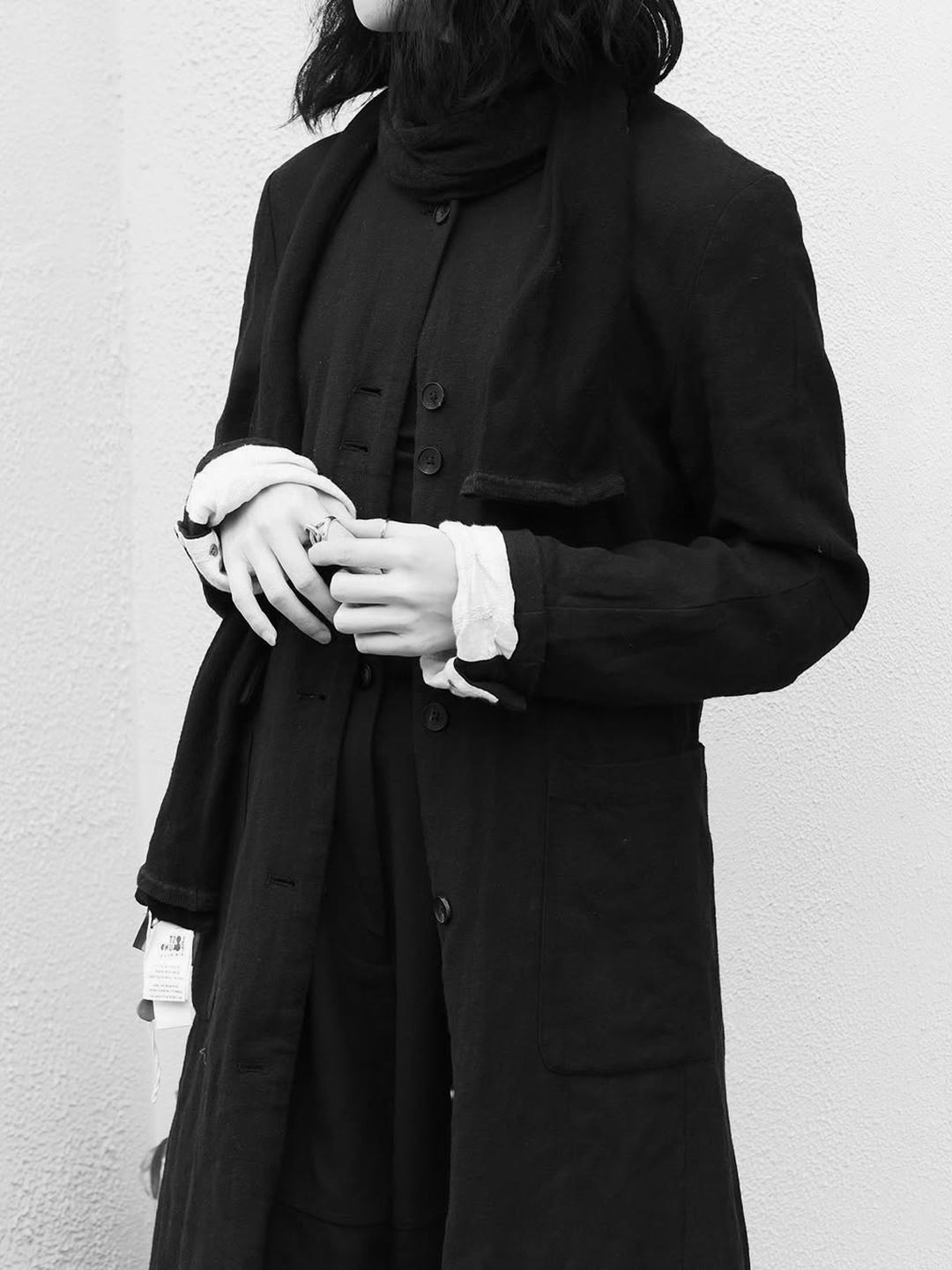
Surfaces become essential here. Fabric records use, seams retain traces of construction, and wear becomes part of the object rather than something to be erased. In this sense, clothing functions less as a finished product and more as something that transforms through contact and experience.
Lost & Found also avoids spectacle. There are no theatrical runway shows, no emphasis on visibility for its own sake. The work unfolds slowly – through wearing, through time. What the brand proposes is simple but radical: clothing not as something to consume and replace, but as something that lives with you, gathering memory as it goes. This restraint makes it even more compelling: producing only two collections a year and presenting them in a small showroom in Paris, the brand remained deliberately distant from the mechanisms of visibility and scale that define the fashion system.
As I drift through these reflections with the images striking from the documentary, I almost forget about my date. A sudden jolt of panic brings me back. I throw on the jacket, grab my heavy leather boots, and rush outside.
When I see him, my gaze immediately fixes on his grey, stiff, round-toed boots. Tuscan leather, I think. I cannot look away as I approach, and it quickly becomes noticeable.
He asks, “Do you like them?”
I reply, “Yes… for some reason they feel very familiar.”
He says, “Lost & Found. I bought them second-hand from an Italian guy – it was a bargain.”
No way, I think. There is absolutely no way.
The moment feels almost scripted. A loop closes. Time folds back onto itself, memory overlays the present, and the garment continues – not as an object of consumption, but as a vessel of lived experience.
I still cannot say whether they were the same boots I saw on that man ten years ago. But the possibility alone is enough to keep the thought alive, quietly warming something inside me.
Lost & Found was never just about clothing. It is time materialised – objects that have already lived and continue to live alongside us. And even if the brand itself no longer exists, it persists in another form – through memory, through wear, through the quiet repetition of encounters that feel as if they have already happened before. How many things are lost and found, only to be lost again?
Words: Anastasiia Spasova @vbmgr
Photos: Anastasiia Spasova and Lost & Found Ria Dunn (@dariembec)
GALLERY
Comments are closed.