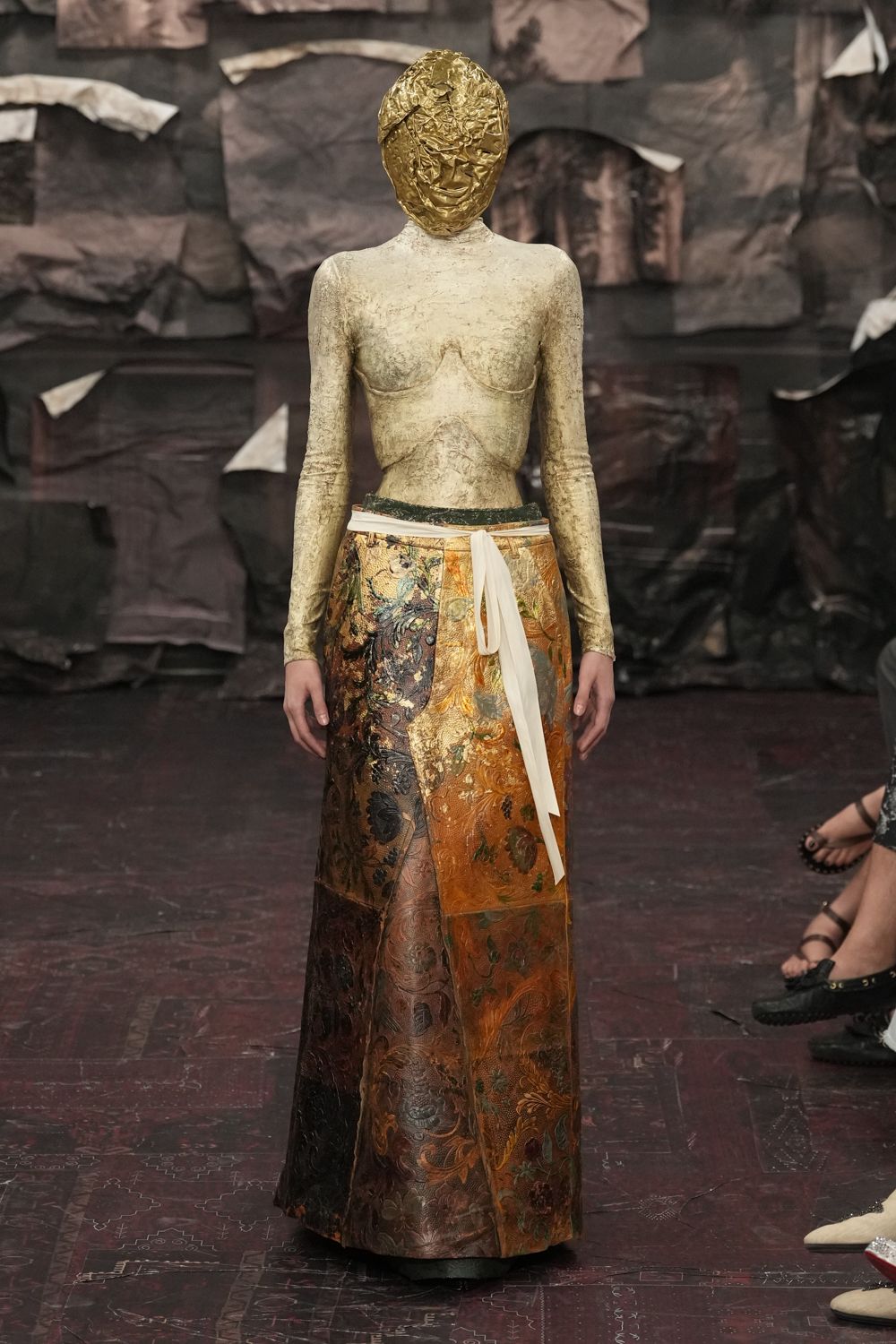
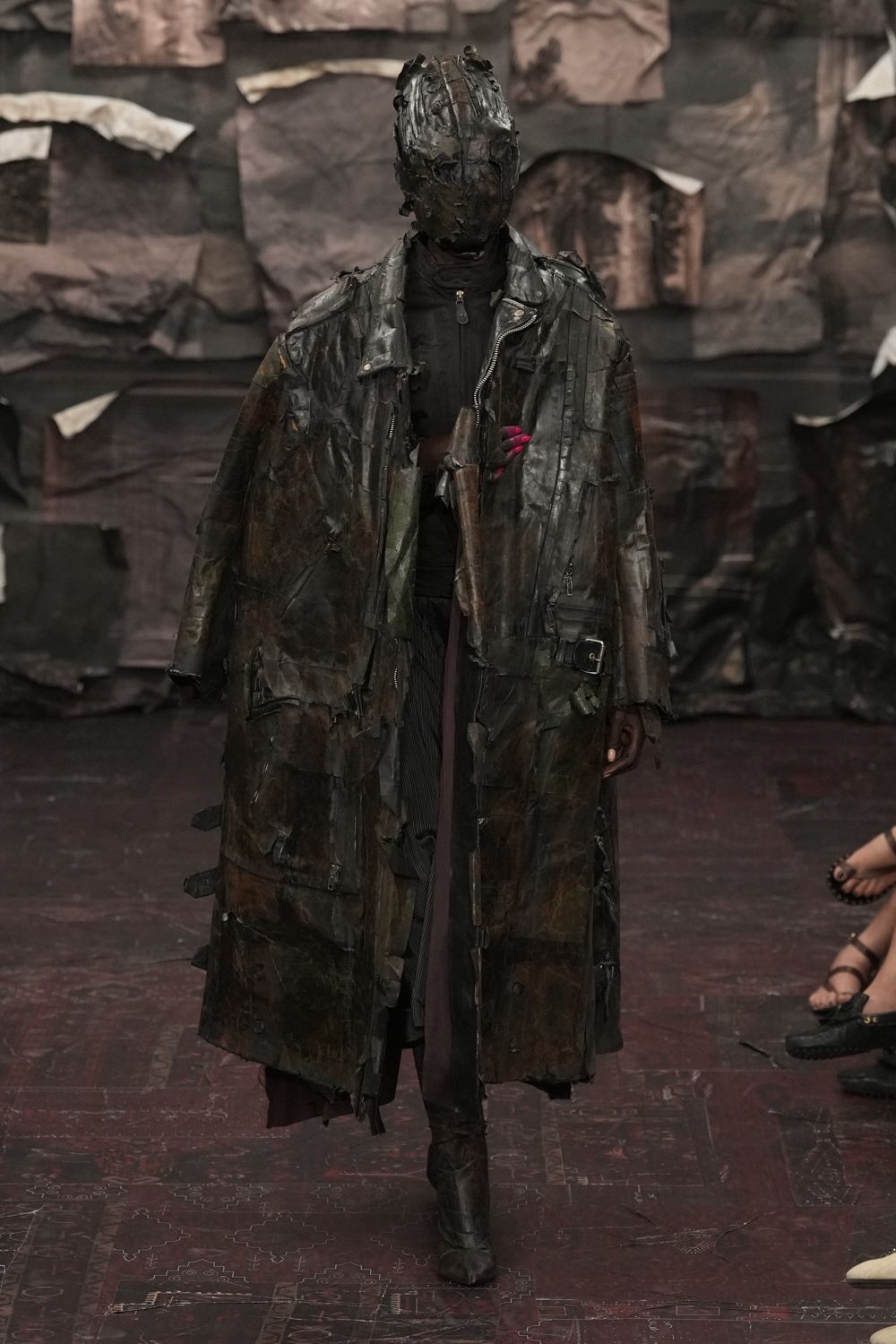
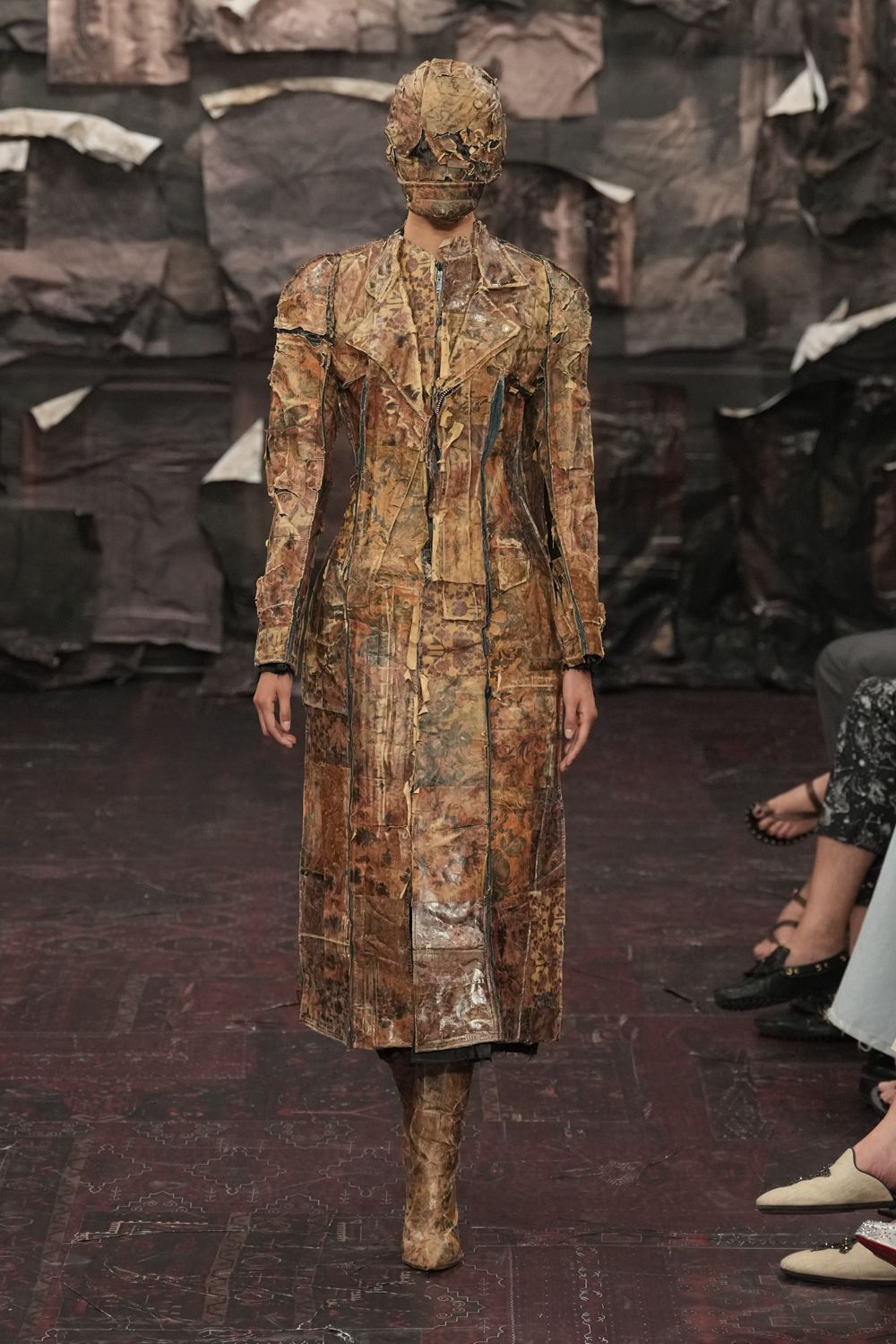
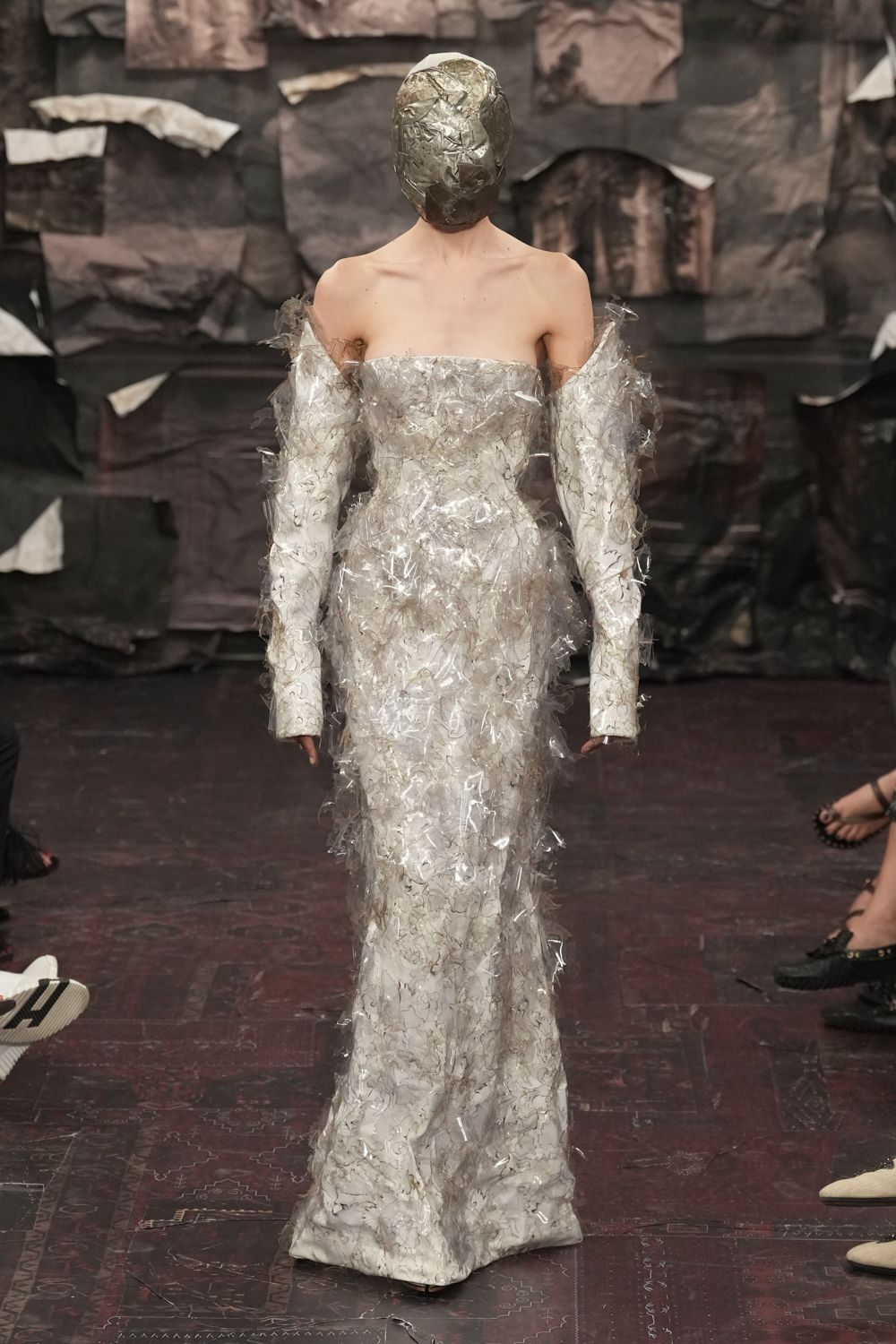
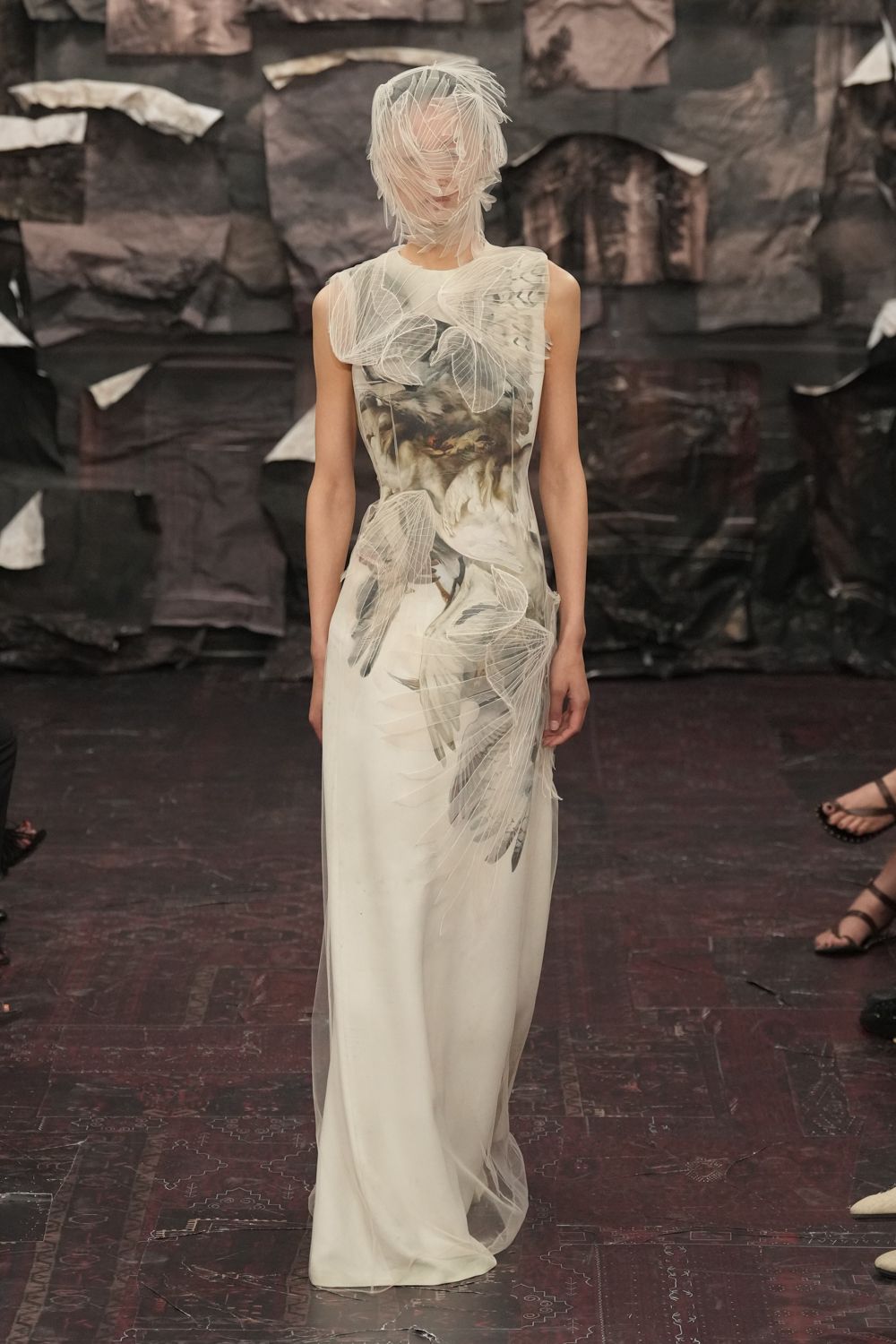
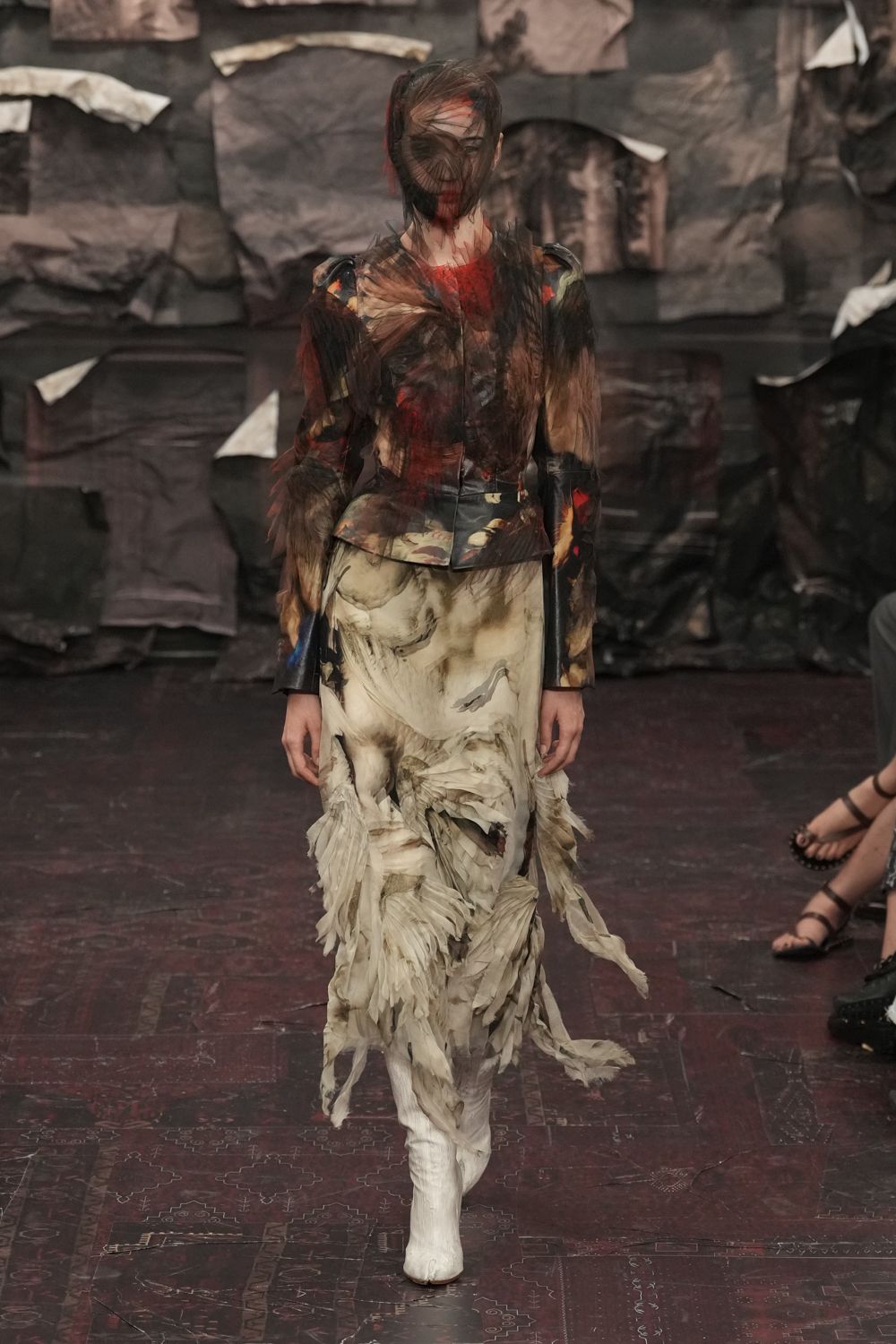
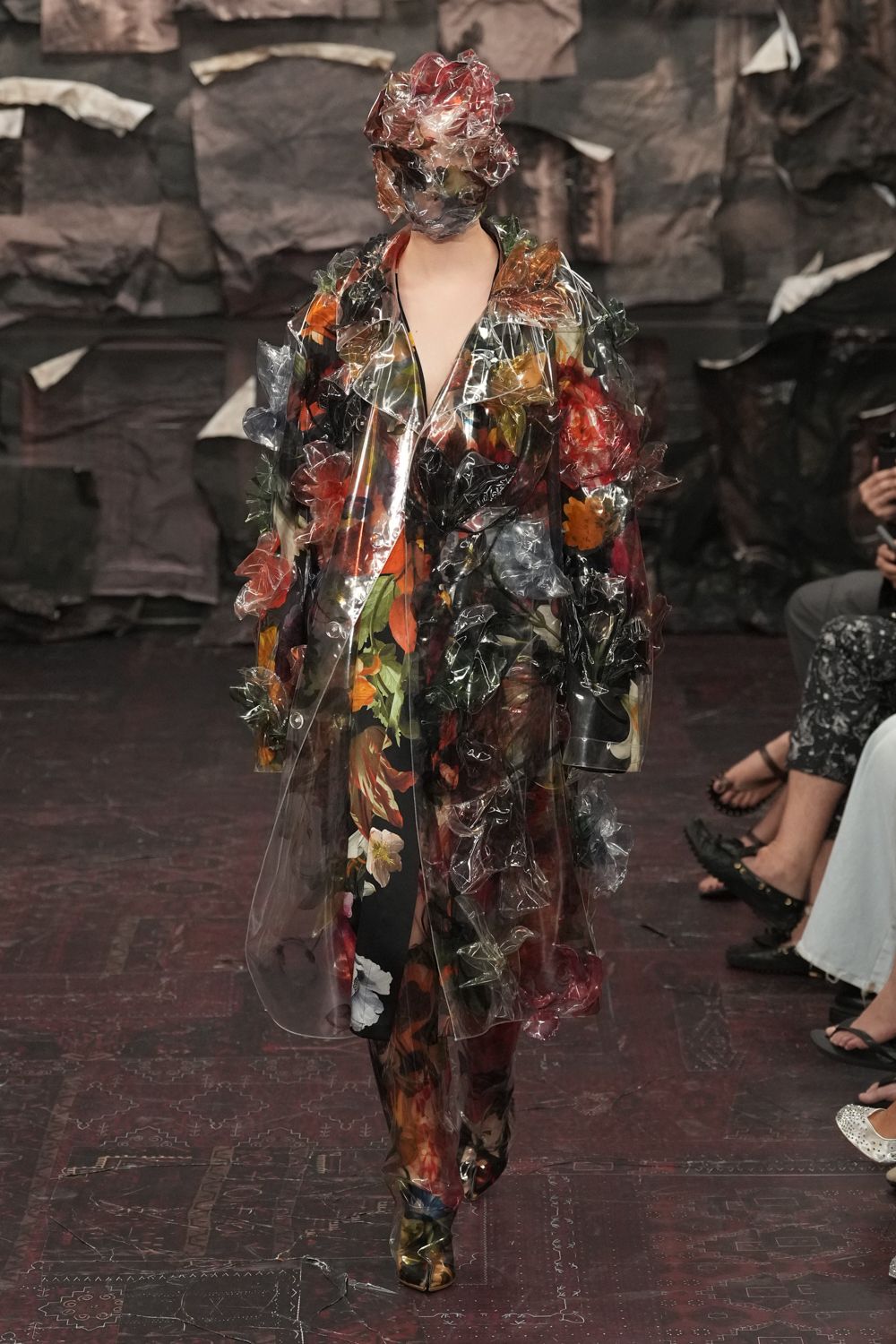
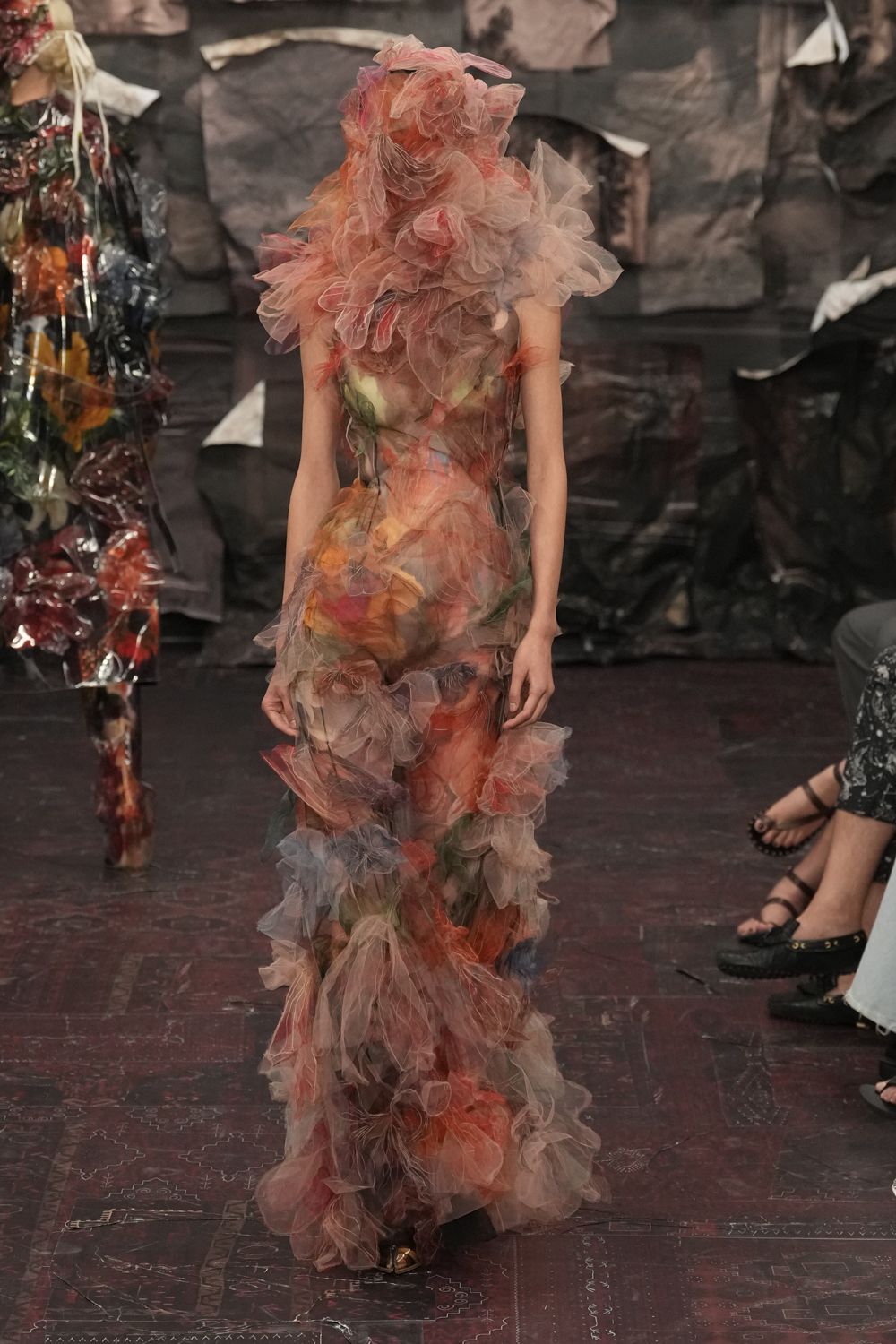
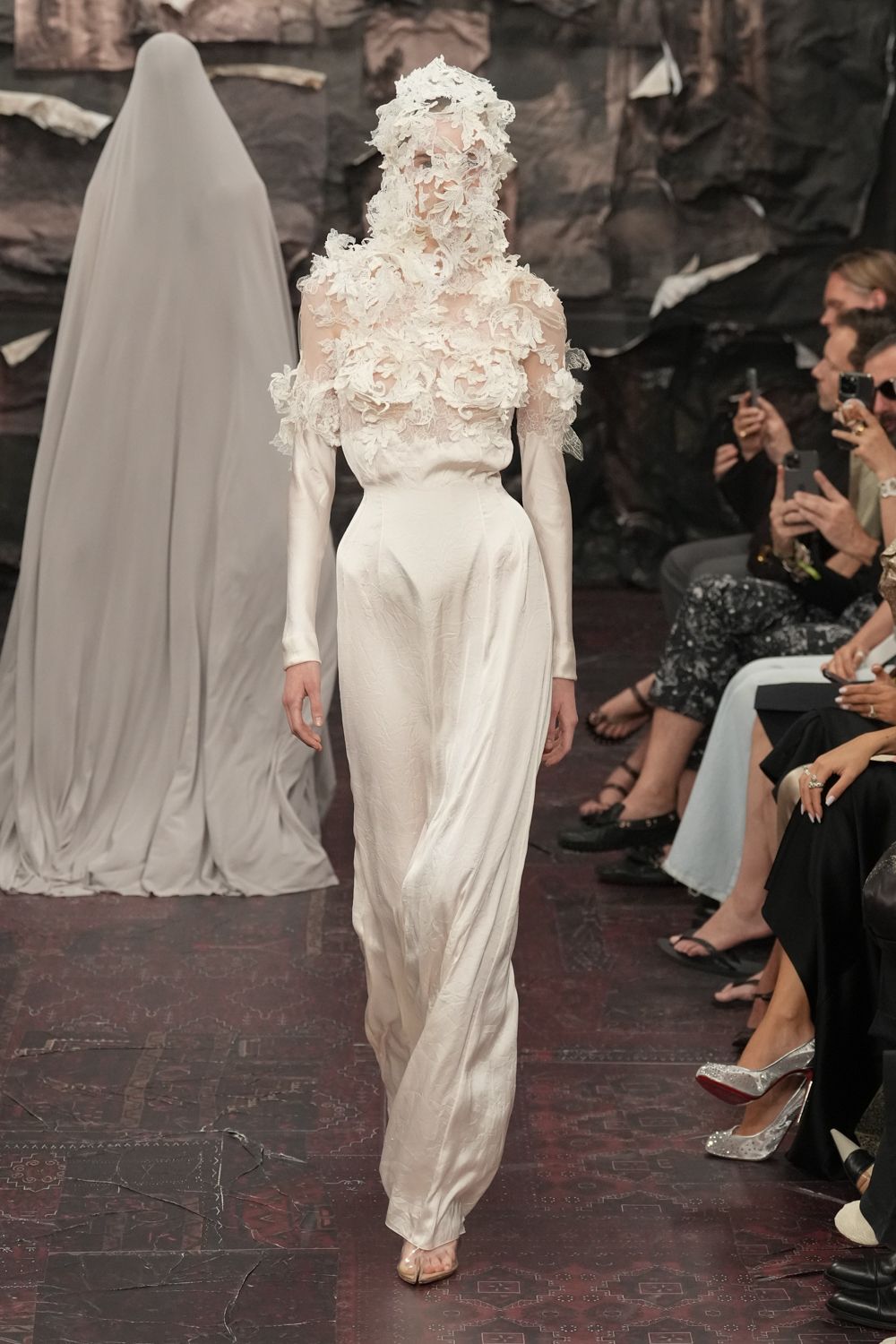
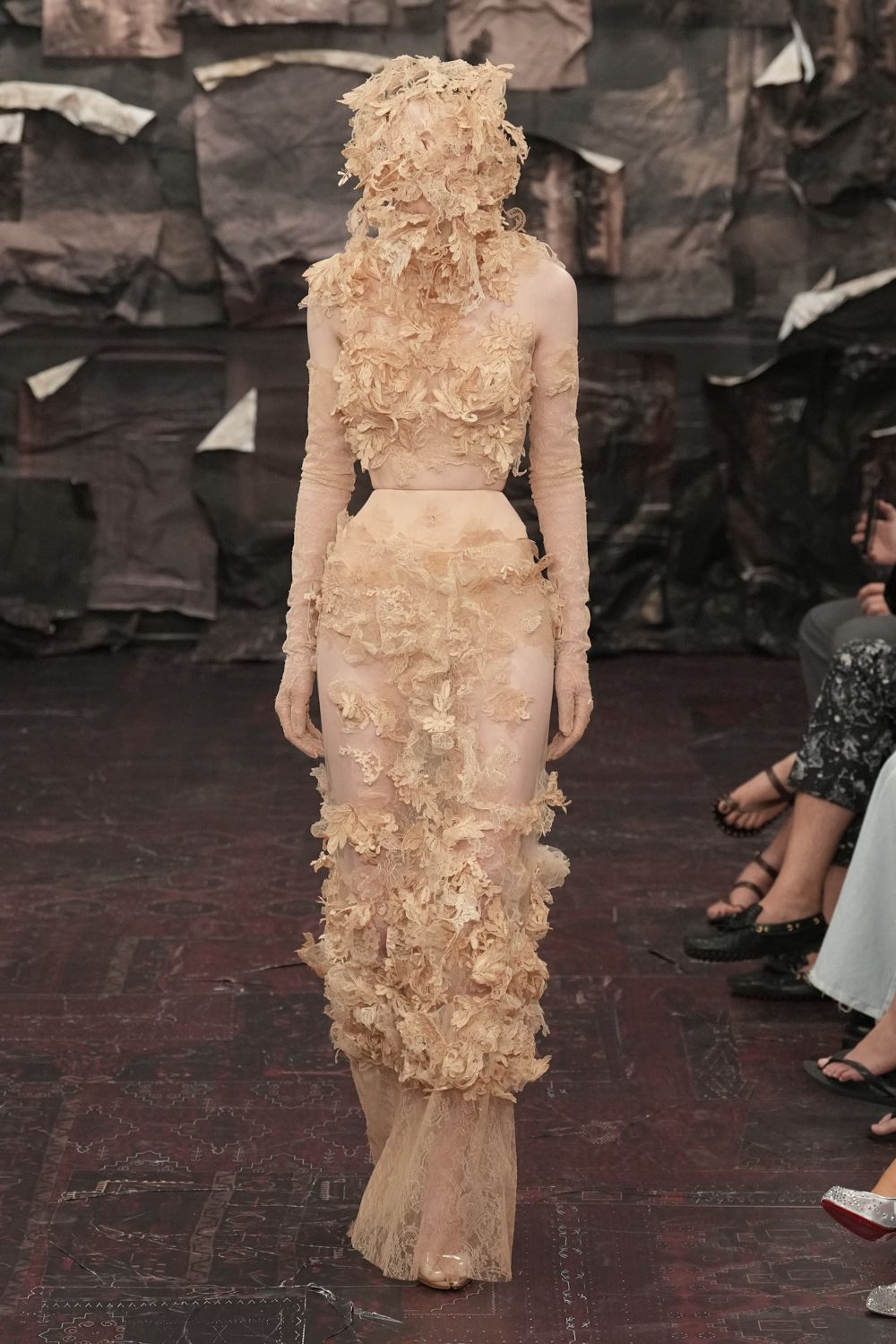
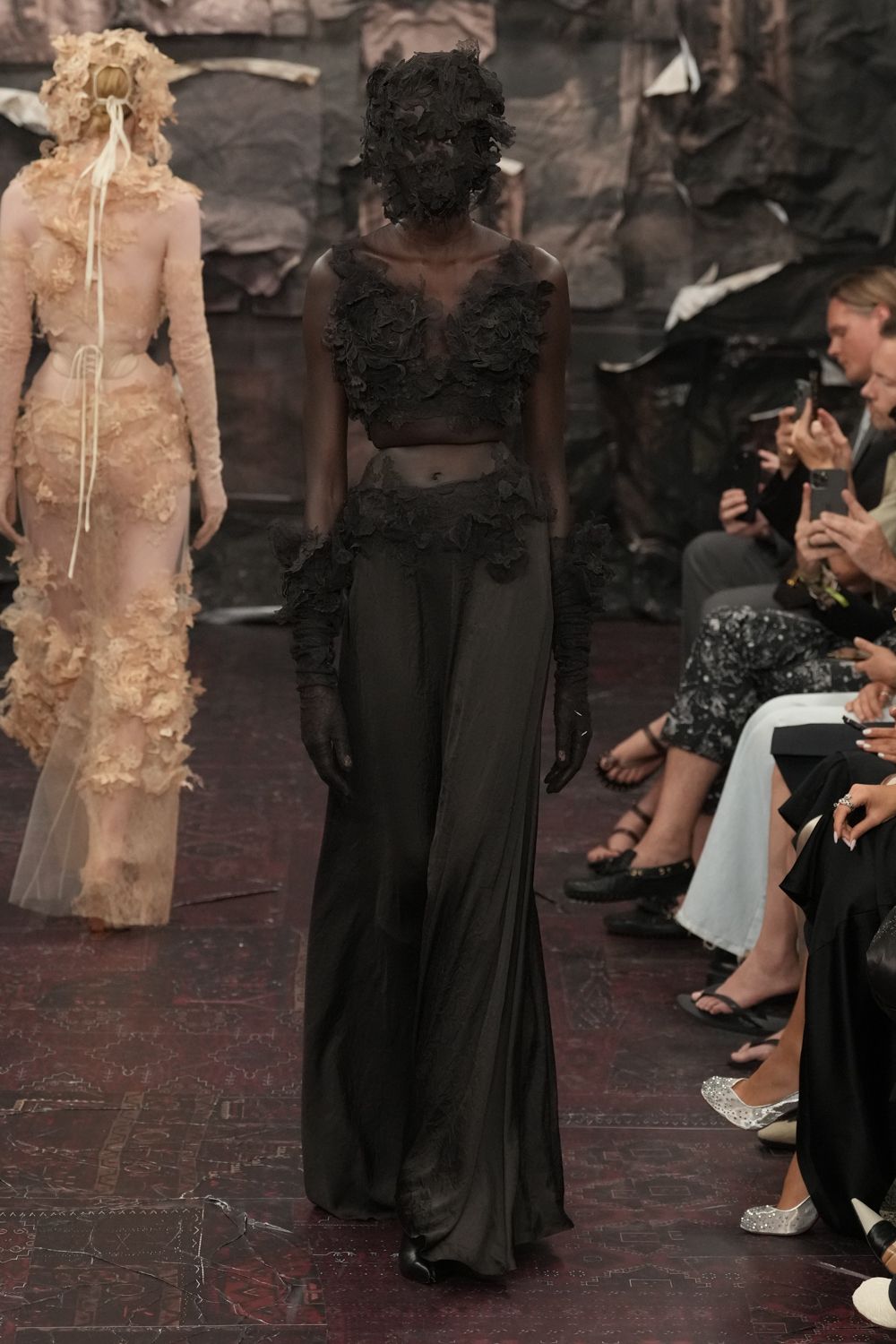
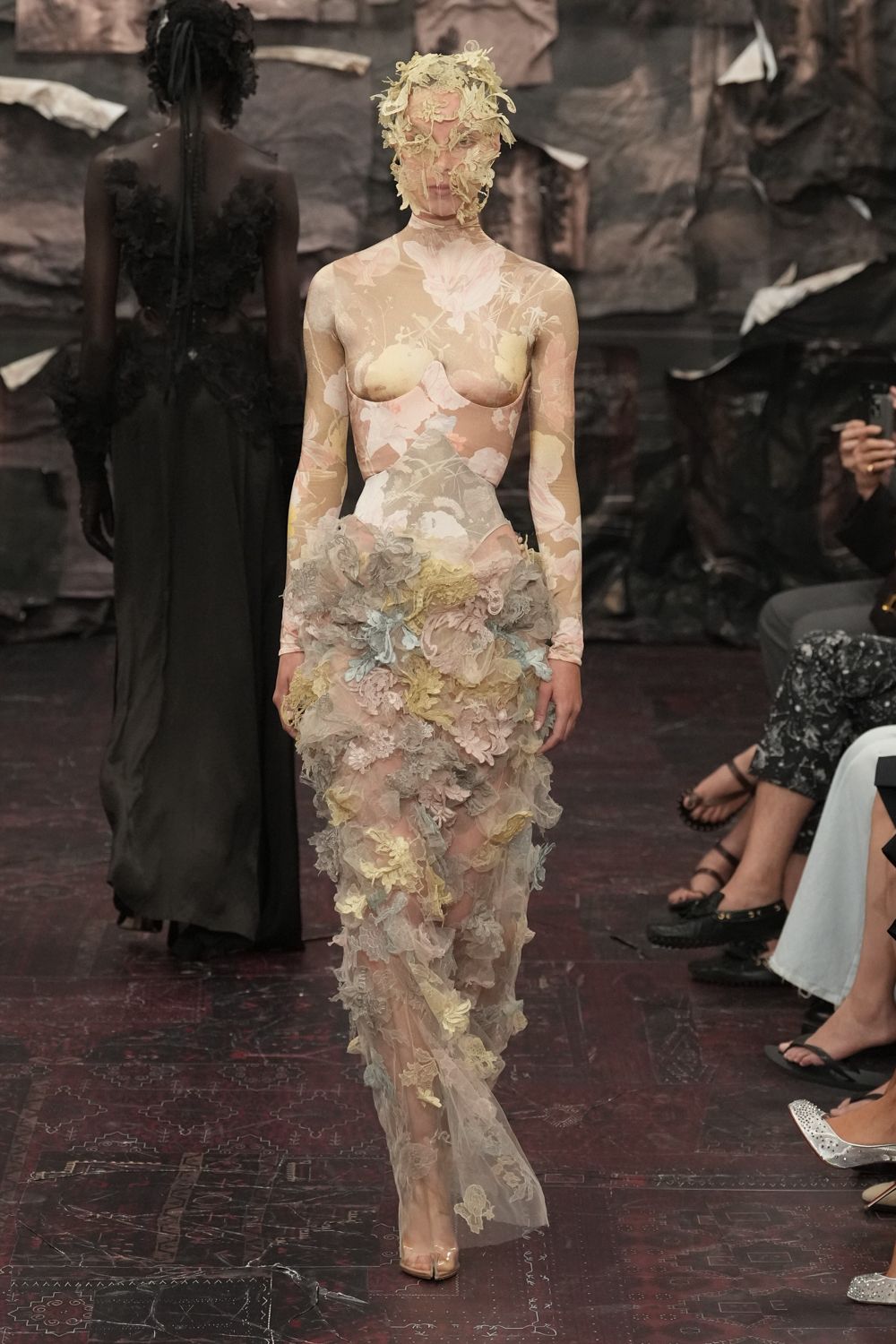
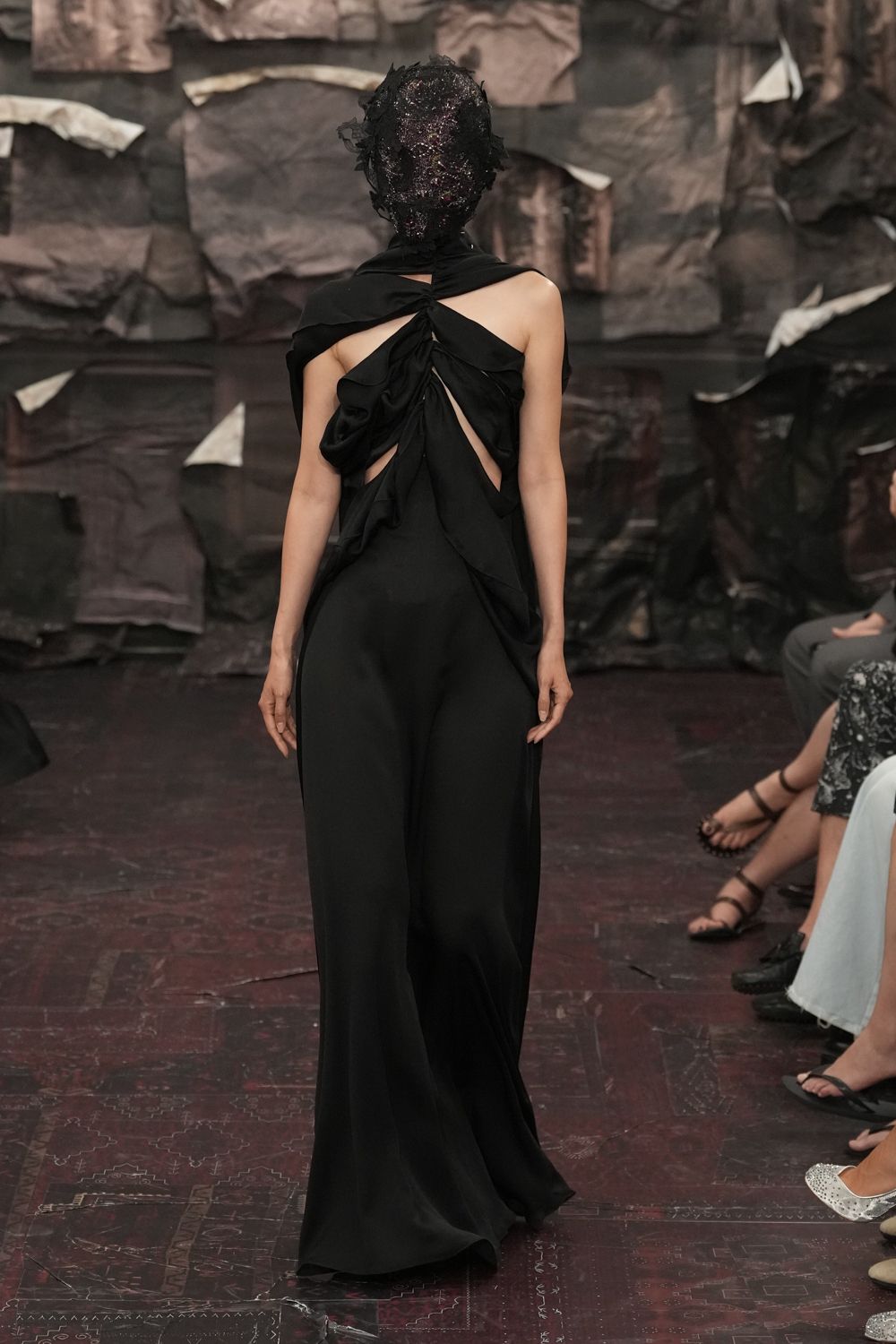
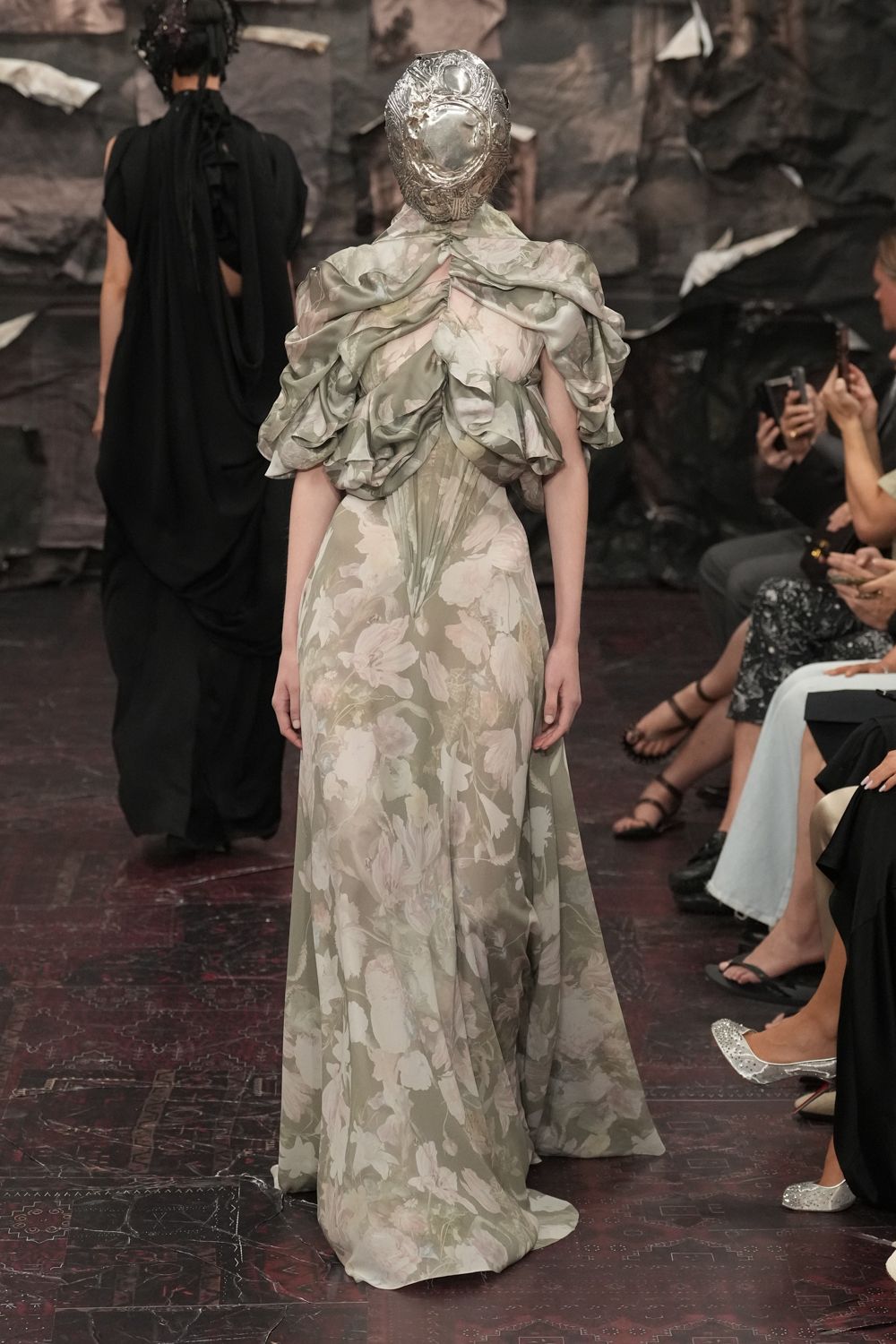
Glenn Martens’s highly anticipated debut as creative director of Maison Margiela’s Artisanal line arrived not with spectacle, but with a controlled, confident vision. Shown during Paris Couture Week, the collection reframed the brand’s storied codes through Martens’s own lens, grounded in material ingenuity, sculptural construction, and a distinctly Belgian sensibility. In many ways, it marked both a return and a realignment, faithful to Margiela’s conceptual DNA yet recalibrated for a different cultural moment.
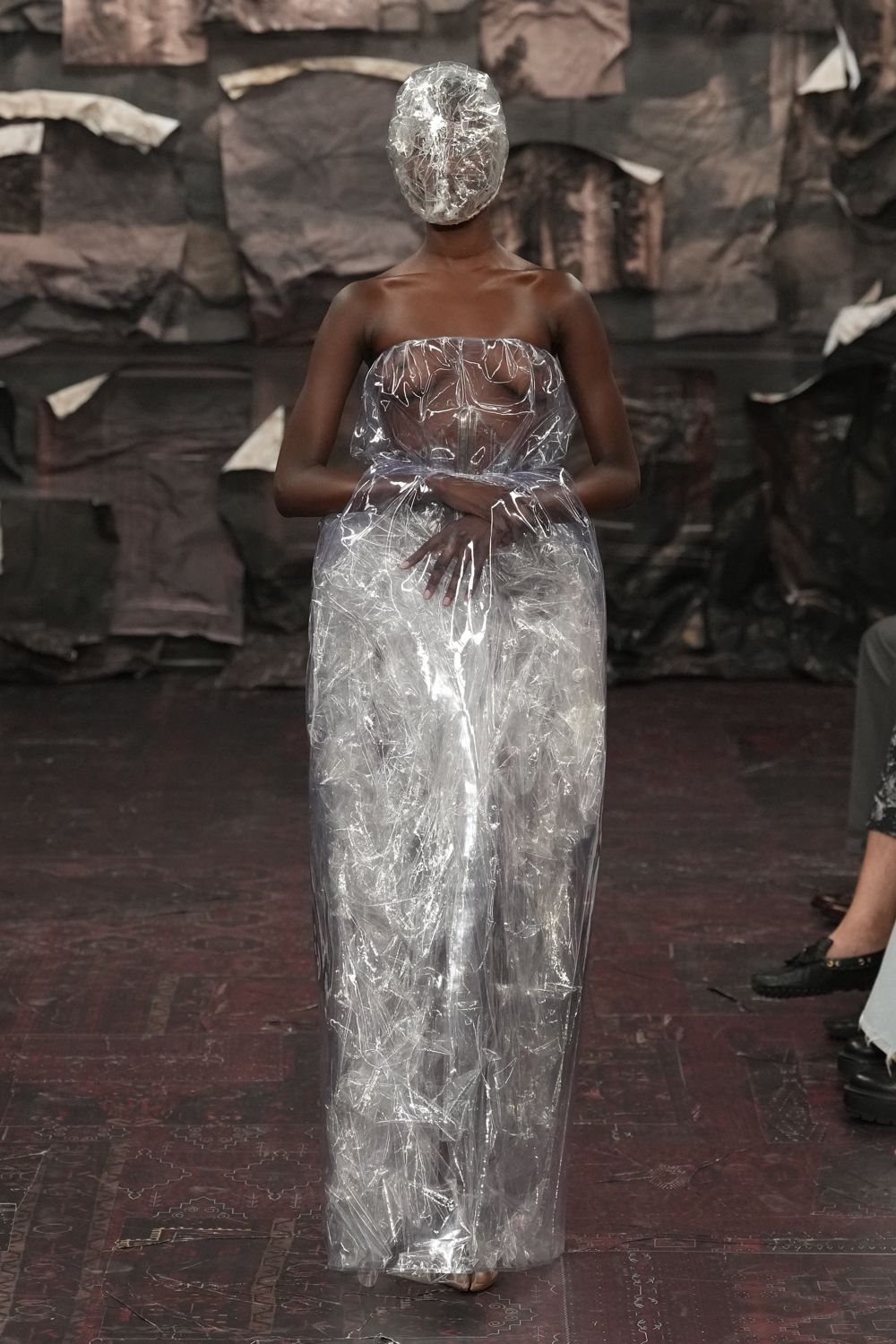
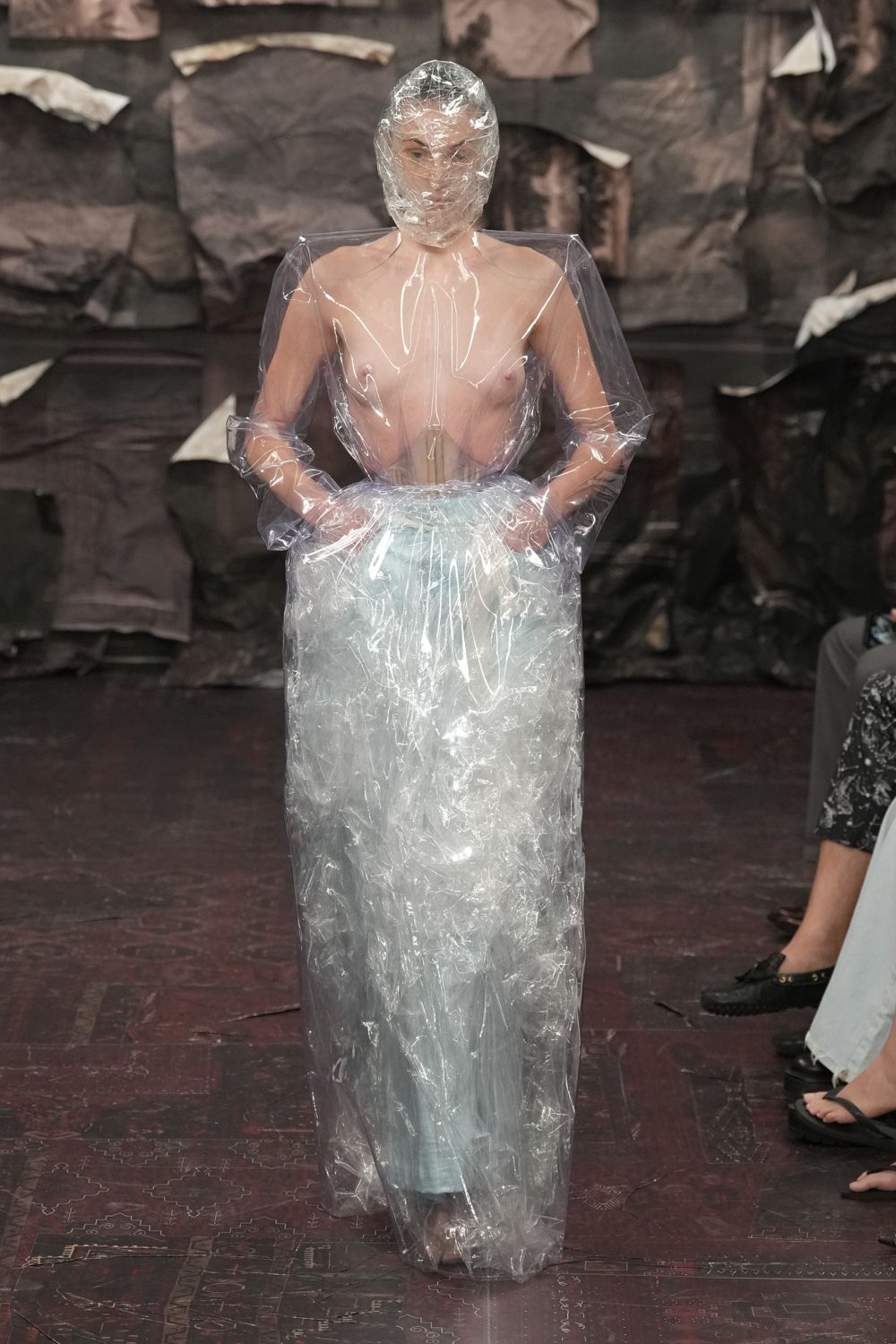
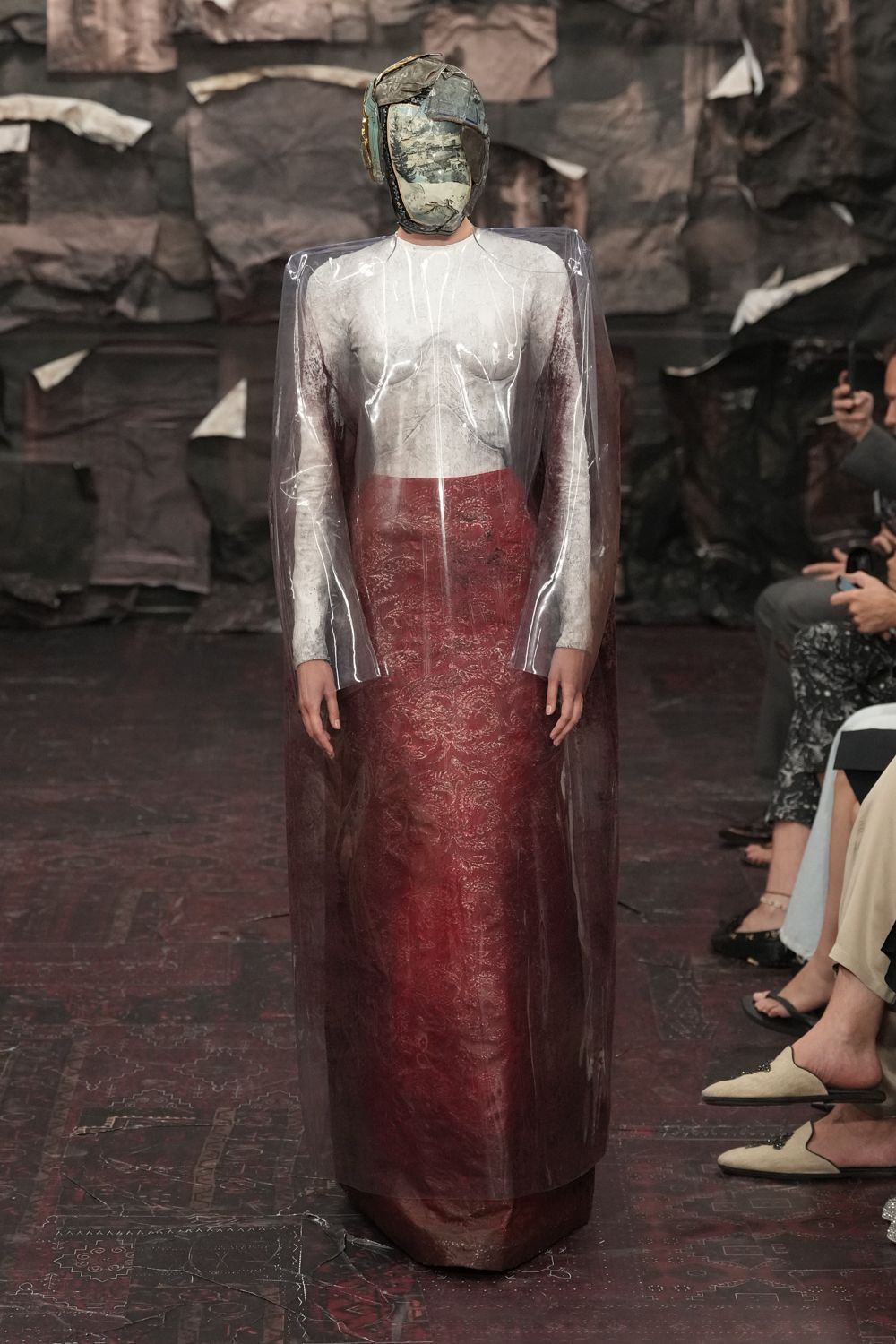
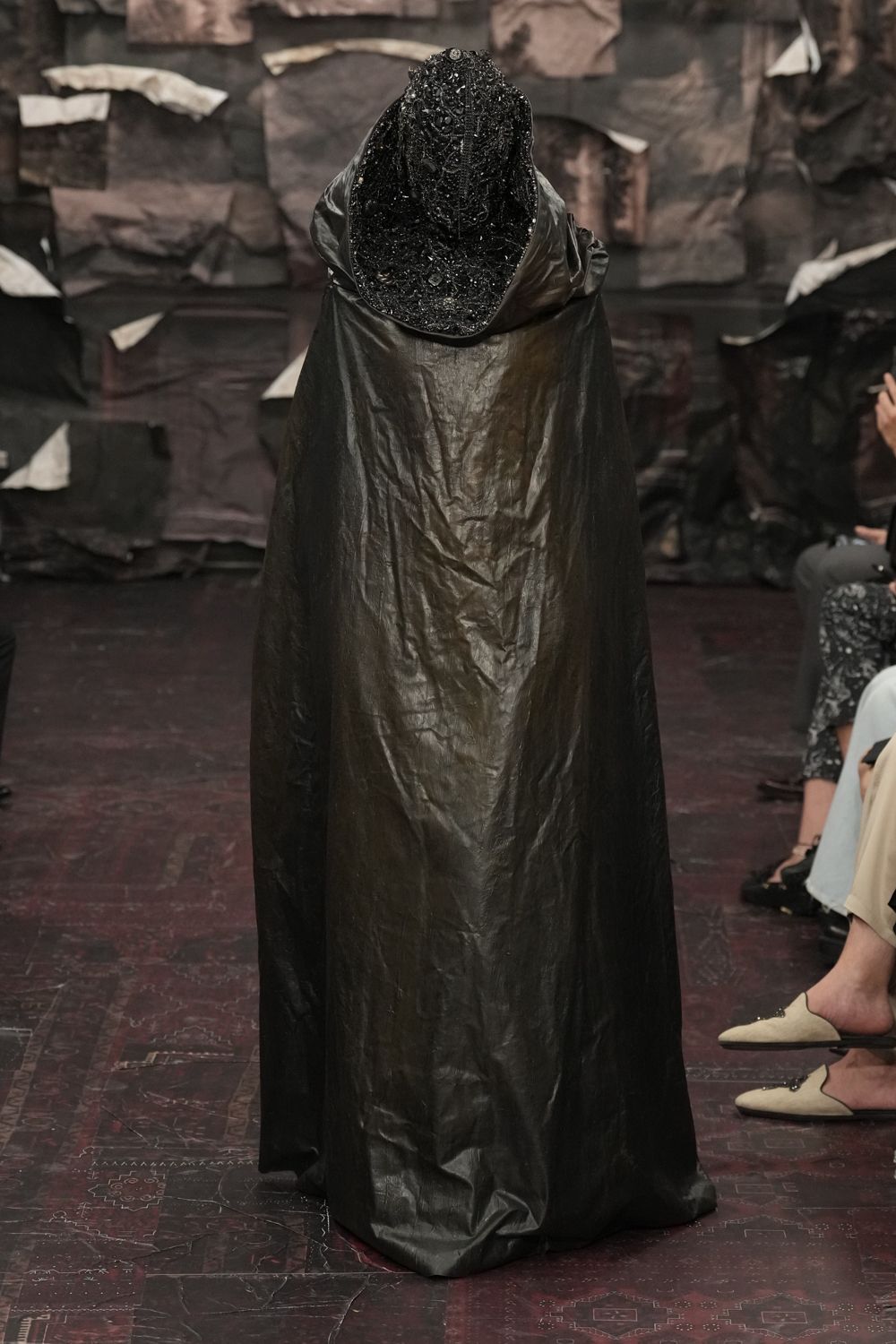
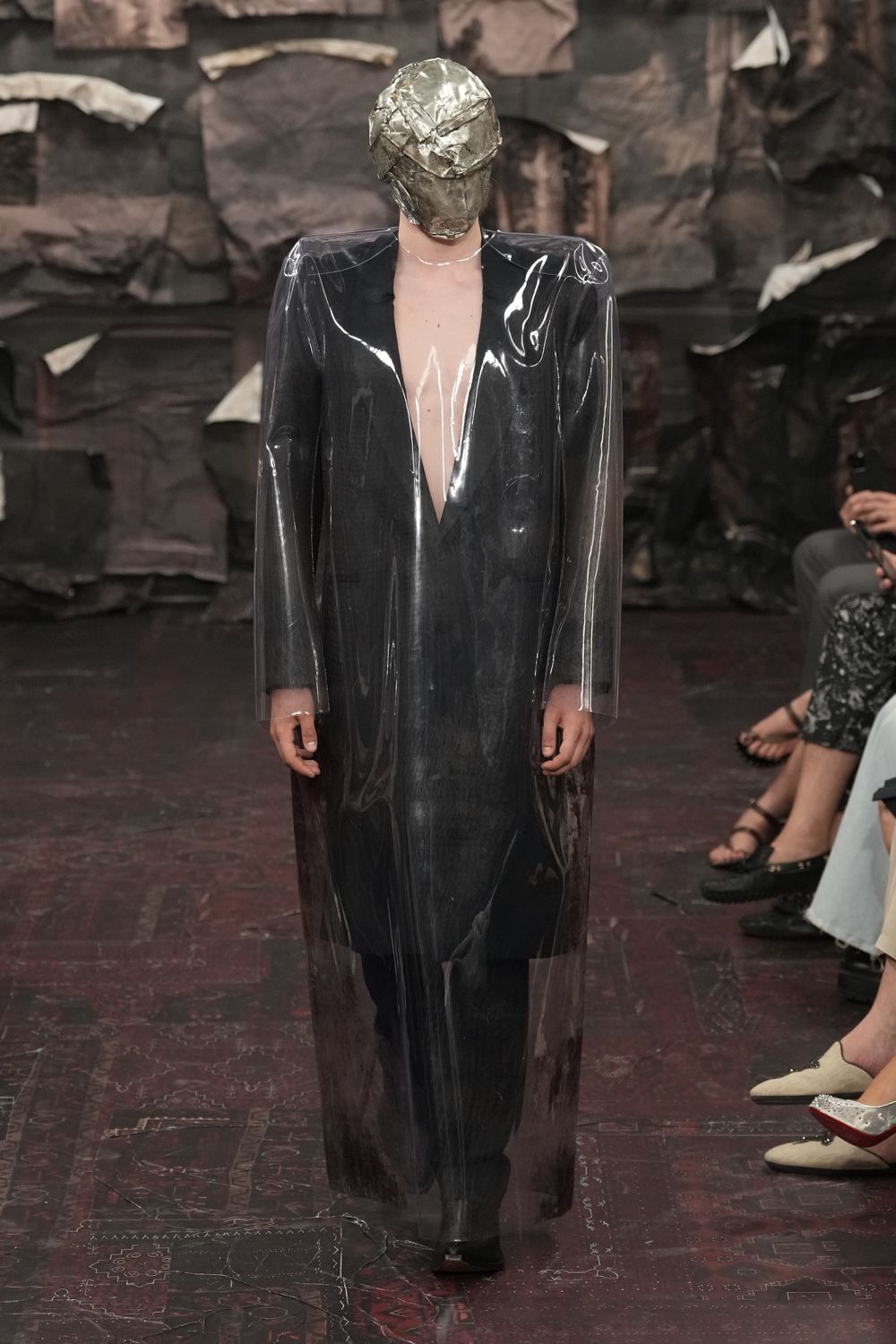
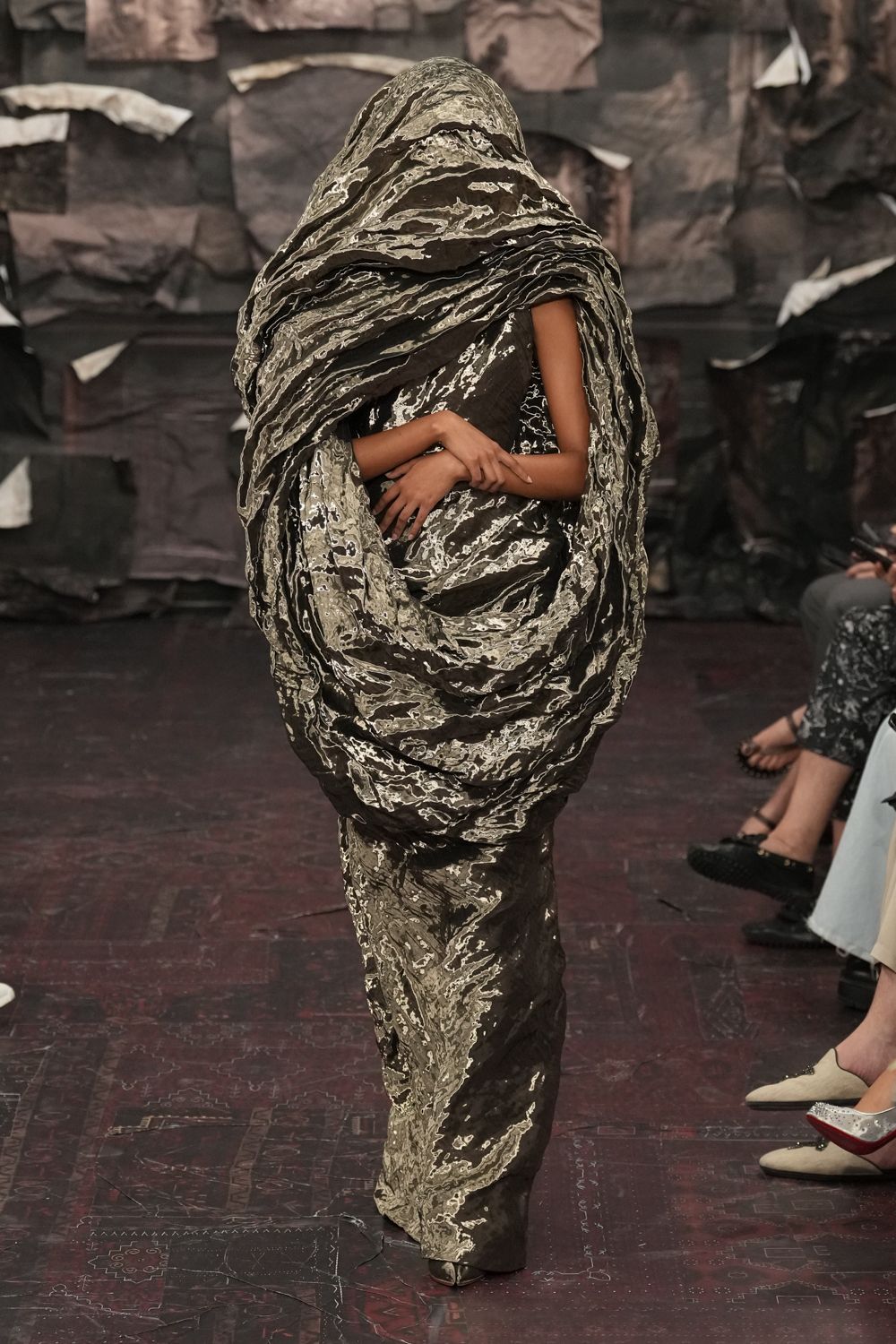
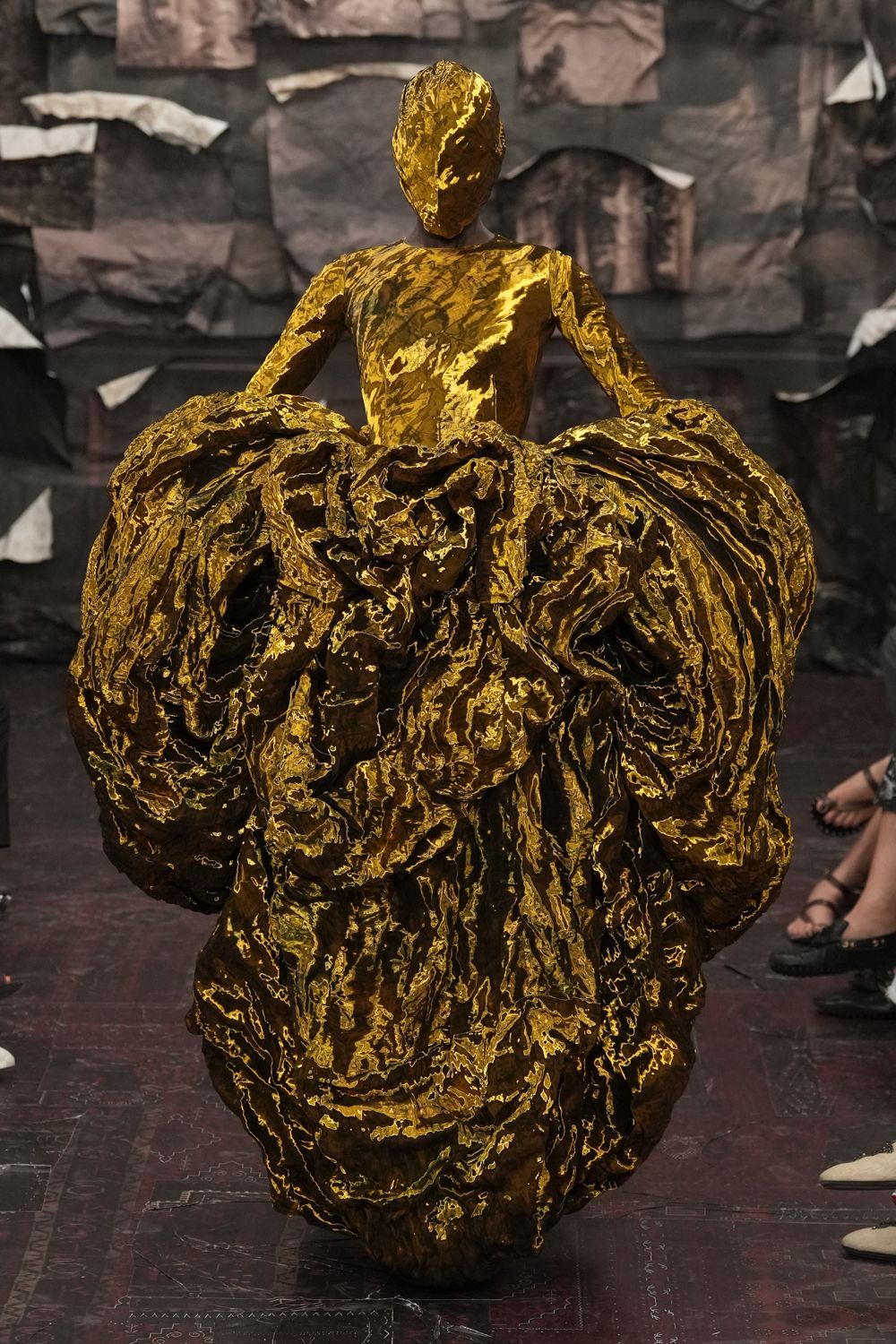
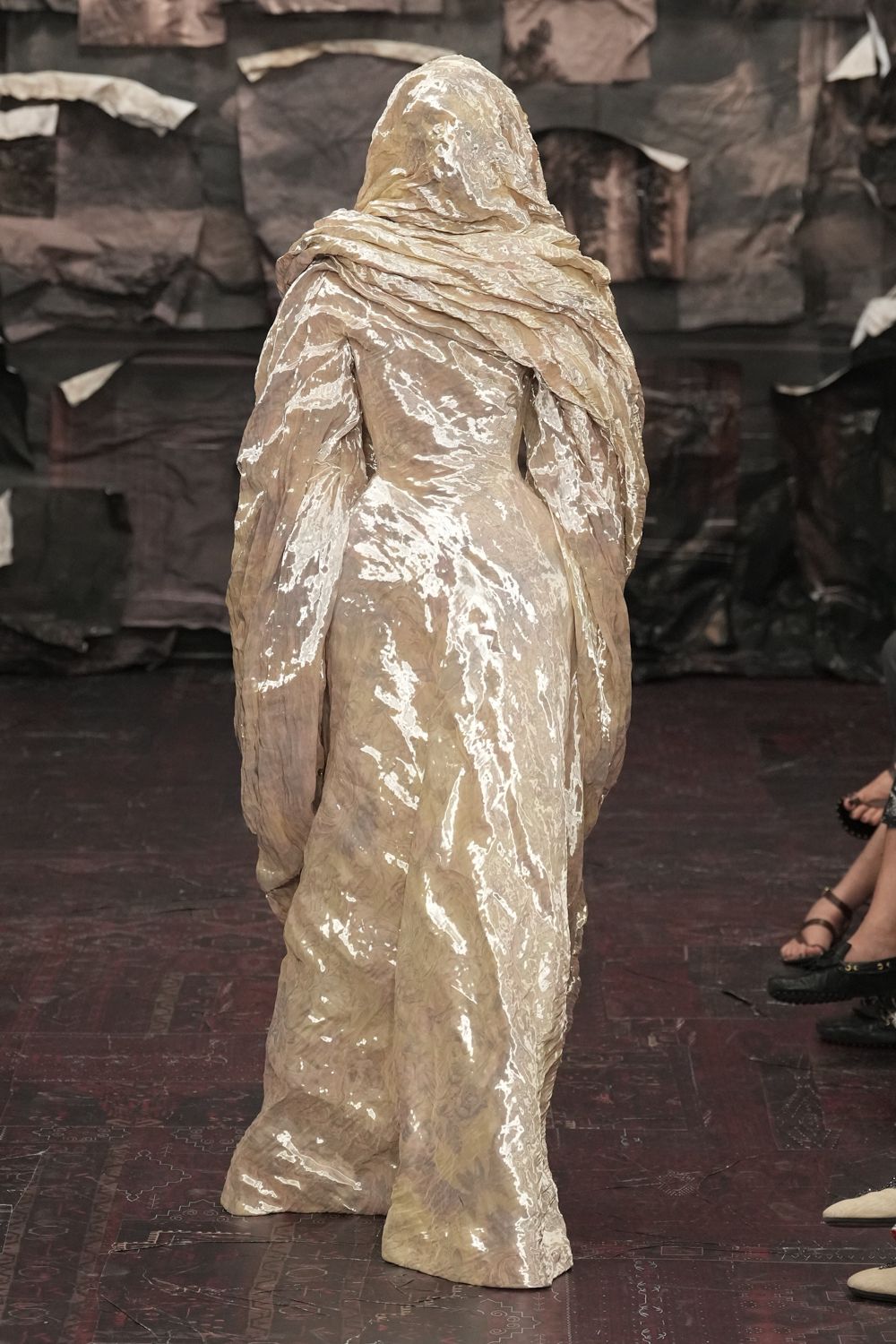
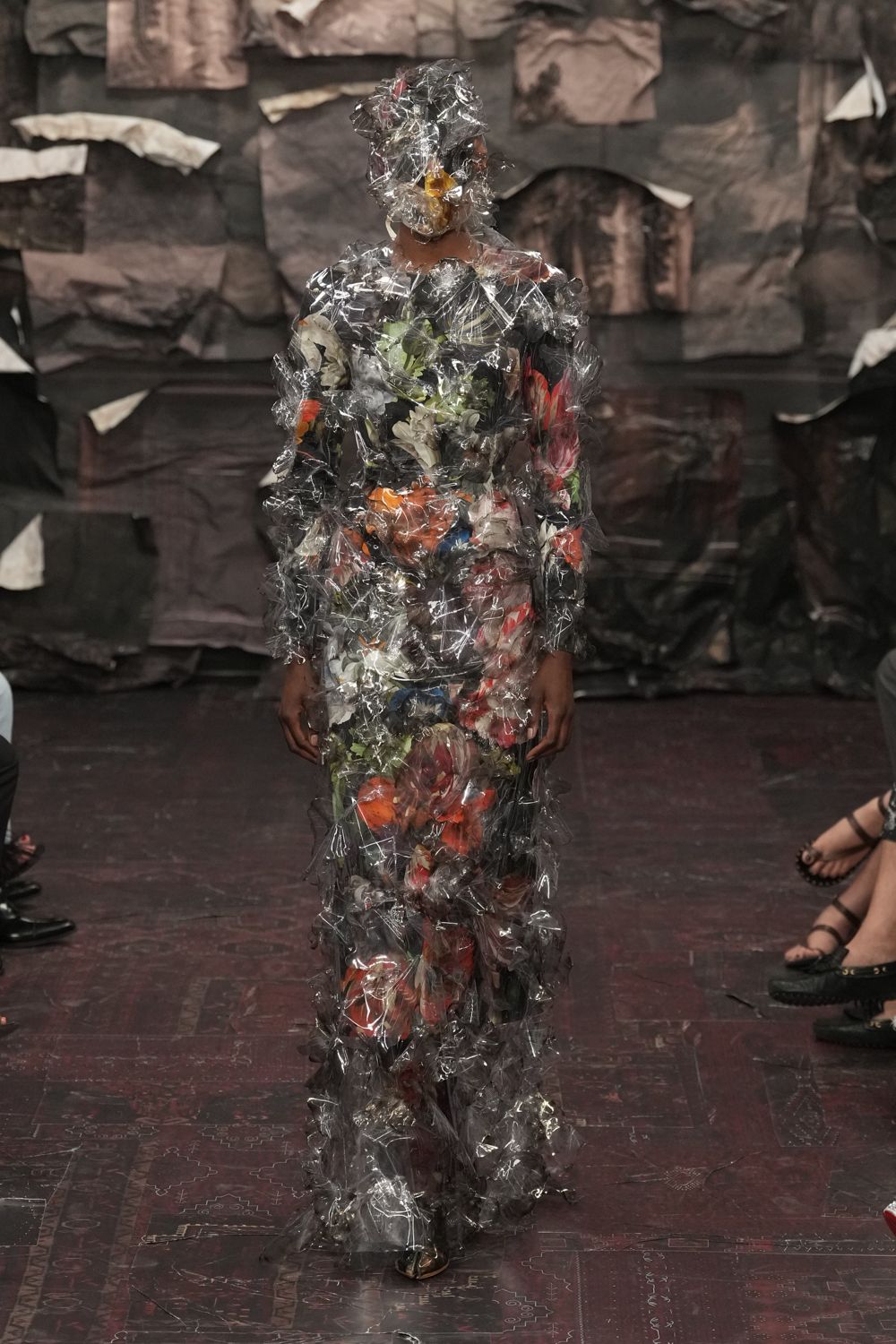
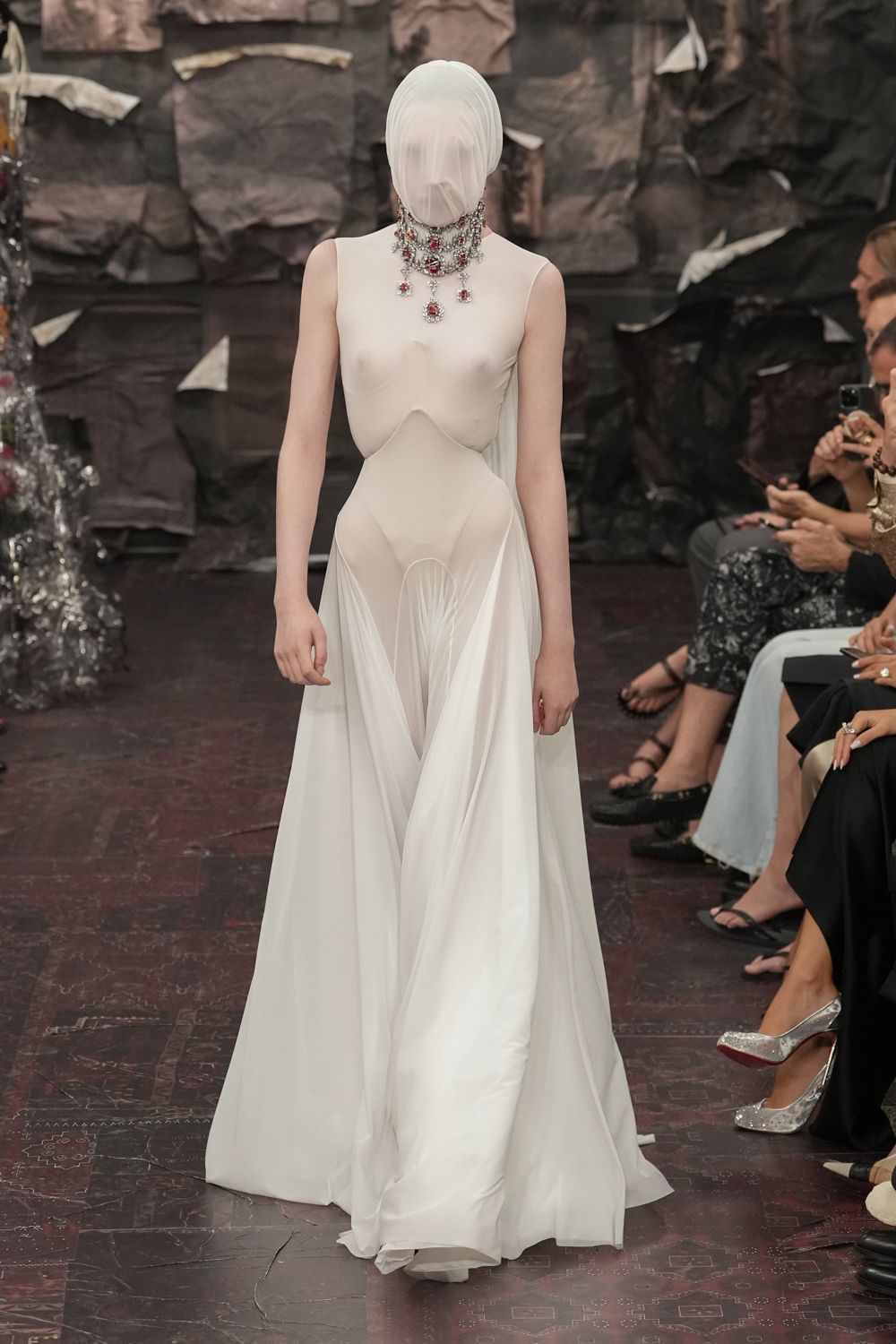
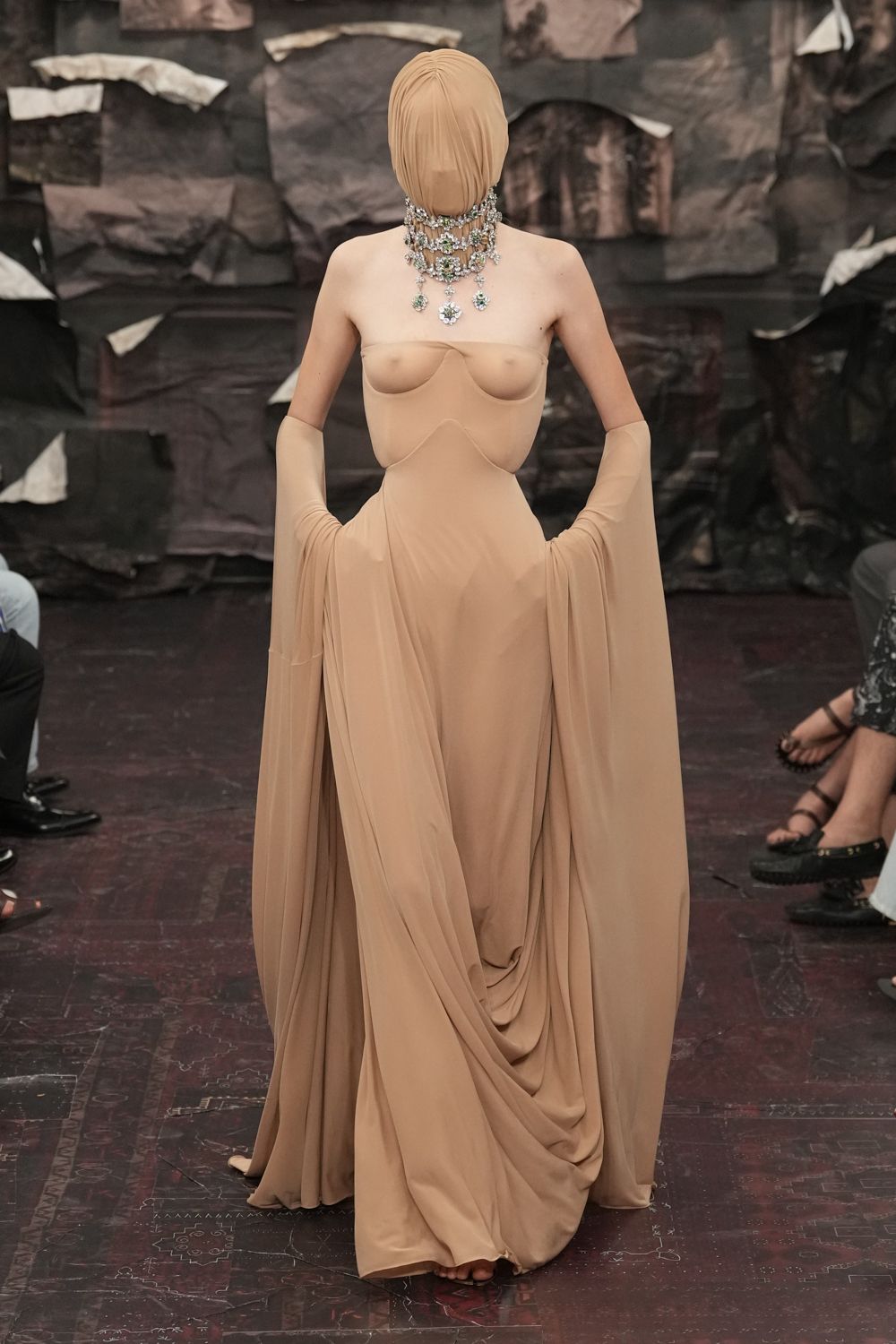
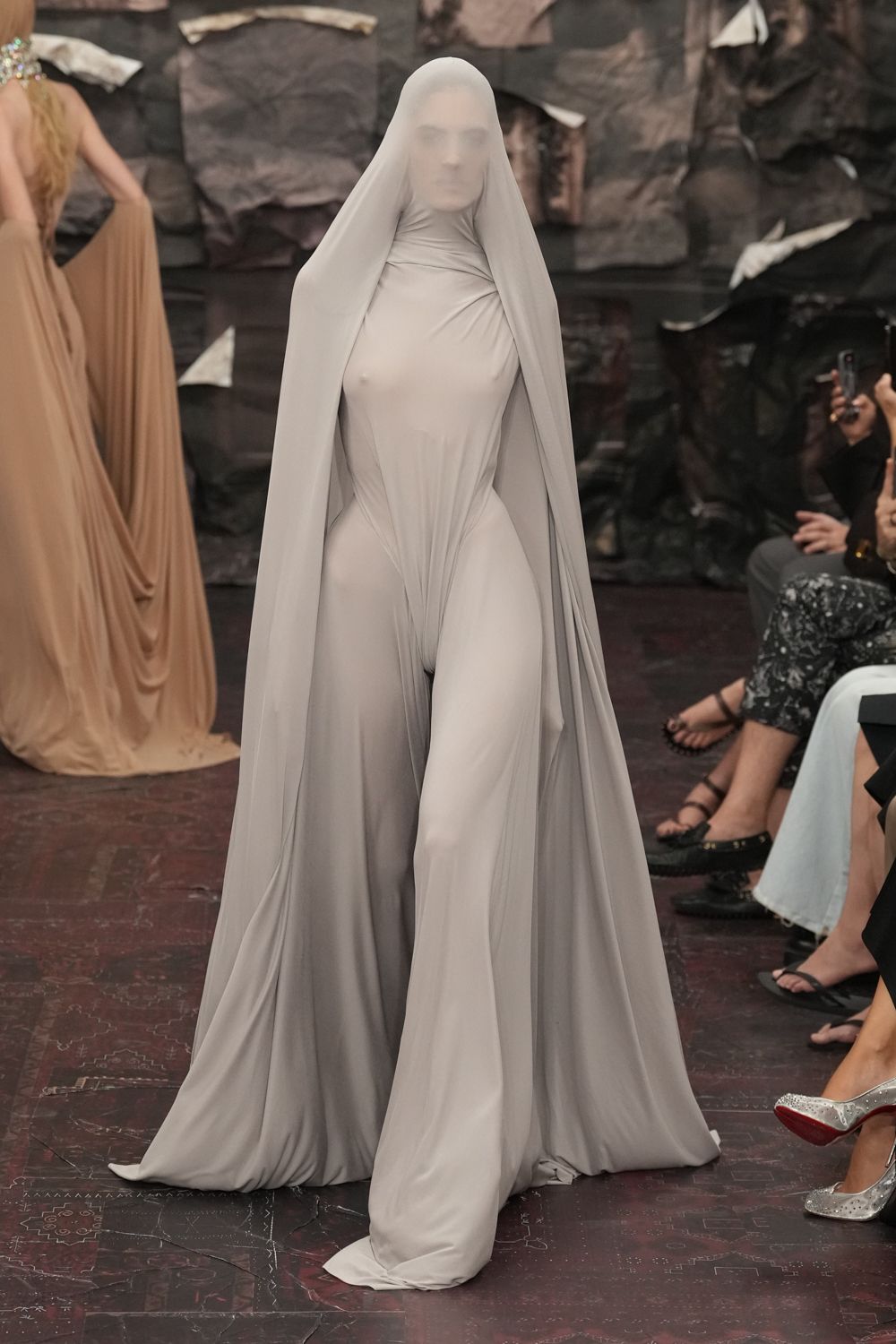
The visual language of the house was instantly recognizable: models with obscured faces, a quiet presentation style, and garments that appeared deconstructed but were engineered with precision. Martens’s approach introduced new proportions and textures that diverged from past eras. His silhouettes, voluminous but taut, structured but undone, evoked the drama of couture without indulging in theatrics. The collection did not lean on nostalgia, nor did it attempt to replicate the spectral elegance of John Galliano’s tenure. Instead, Martens took the fundamentals of Margiela’s ethos: anonymity, transformation, and subversion, and reimagined them with sharper utility and wit.
A striking element of the collection was its material strategy. Many garments were sourced from Parisian thrift shops, most notably Guérissol, where Martens and his team collected secondhand sweaters and knitwear at minimal cost. These pieces were dismantled, layered, dyed, and restructured into couture garments that challenged traditional notions of luxury. The result was not a pastiche of upcycling, but a sophisticated exercise in value creation, where craftsmanship, not cost, defined the garment’s worth. In doing so, Martens reaffirmed one of Margiela’s founding ideas: that transformation is central to fashion’s intellectual and emotional power.
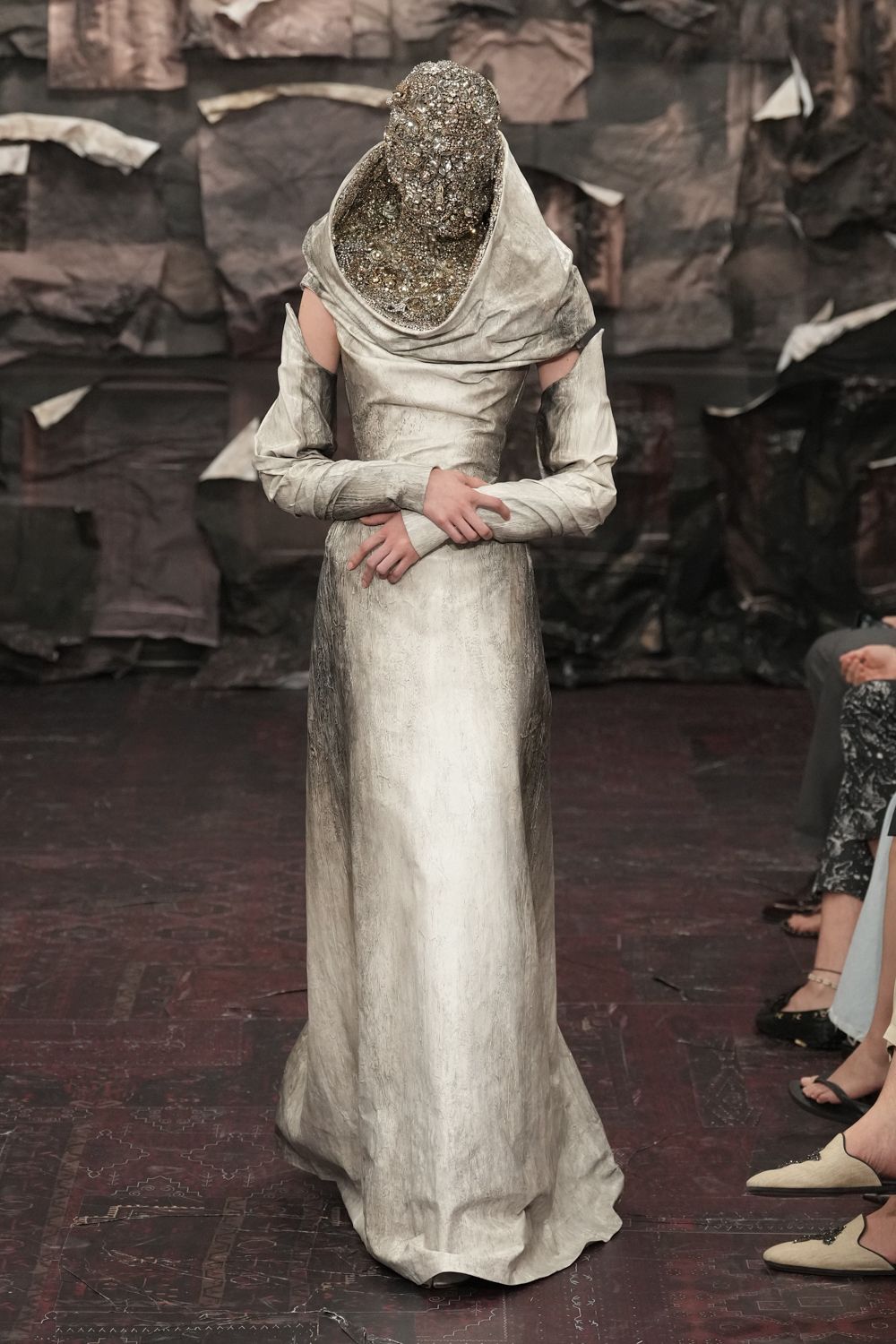
Textile experimentation played a crucial role throughout the show. Dyed fabrics, plastic outerwear, and high-shine finishes created a tactile tension, simultaneously industrial and intimate. Corseted silhouettes appeared in hand-painted leather, while shredded fabrics were manipulated into elegant structures. The color palette ranged from muted neutrals to piercing fluorescents, offering moments of quiet and confrontation.
What differentiated this Artisanal debut from prior iterations was its restraint. Martens did not attempt to overwhelm the runway with theatrical gestures. Instead, he offered a confident, methodical study in silhouette and surface. There was little overt messaging, no grand narrative arc. The statement was in the workmanship itself, in the visible seams, the repurposed textures, and the deliberate imperfections. It was couture, but not in the traditional sense. It didn’t seduce, it provoked.
Martens described the Margiela woman as someone who might wear couture barefoot, elegant, irreverent, and uninterested in conventional status symbols. That idea permeated the collection, with garments that felt intimate and lived-in, yet elevated through technique and tension. There was glamour here, but it was of the quiet kind, the kind that demands attention not through spectacle, but through intention.
Balancing his role at Diesel with the intellectual rigor of Margiela may seem like a paradox, but Martens has proven adept at shifting between registers. At Margiela, he is not bound by the commercial expectations that come with a ready-to-wear brand. Here, he can explore form and construction without compromise. With this first Artisanal outing, he has staked his position not as a replacement for Galliano or a revivalist of Margiela’s early days, but as an architect of something more sustainable—a Margiela that looks forward without severing its ties to the past.
Photos: Filippo Fior / Gorunway
@maisonmargiela
www.maisonmargiela.com
HIGHLIGHTS FROM THE COLLECTION