by: Ela Casati | fashion journalist
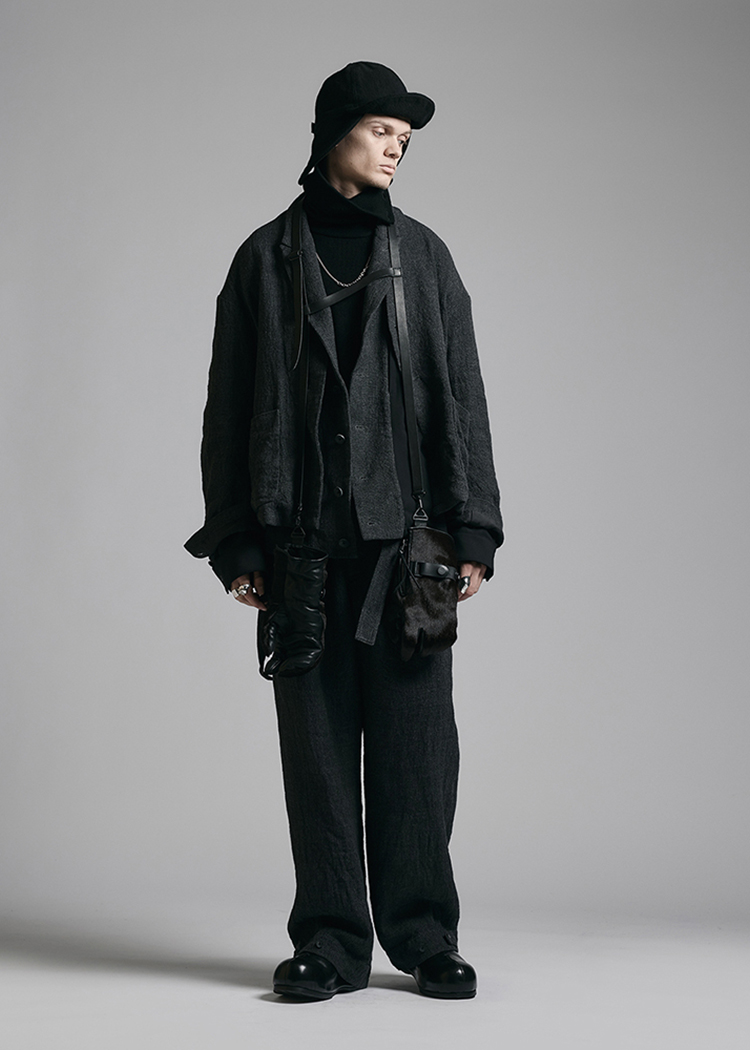
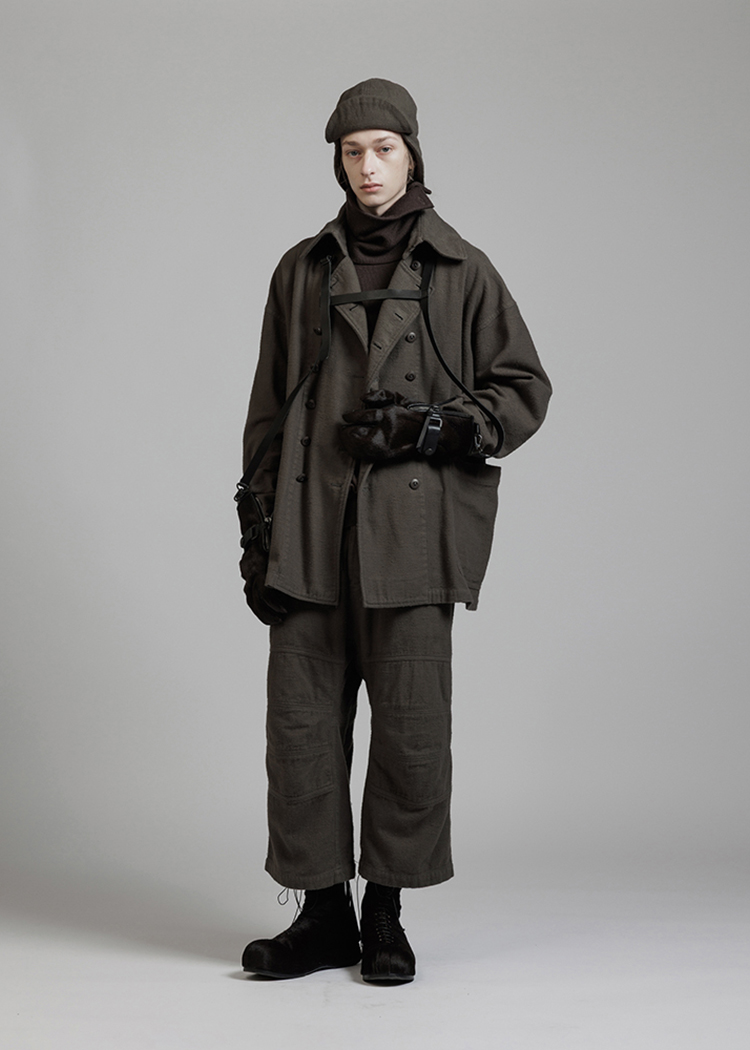
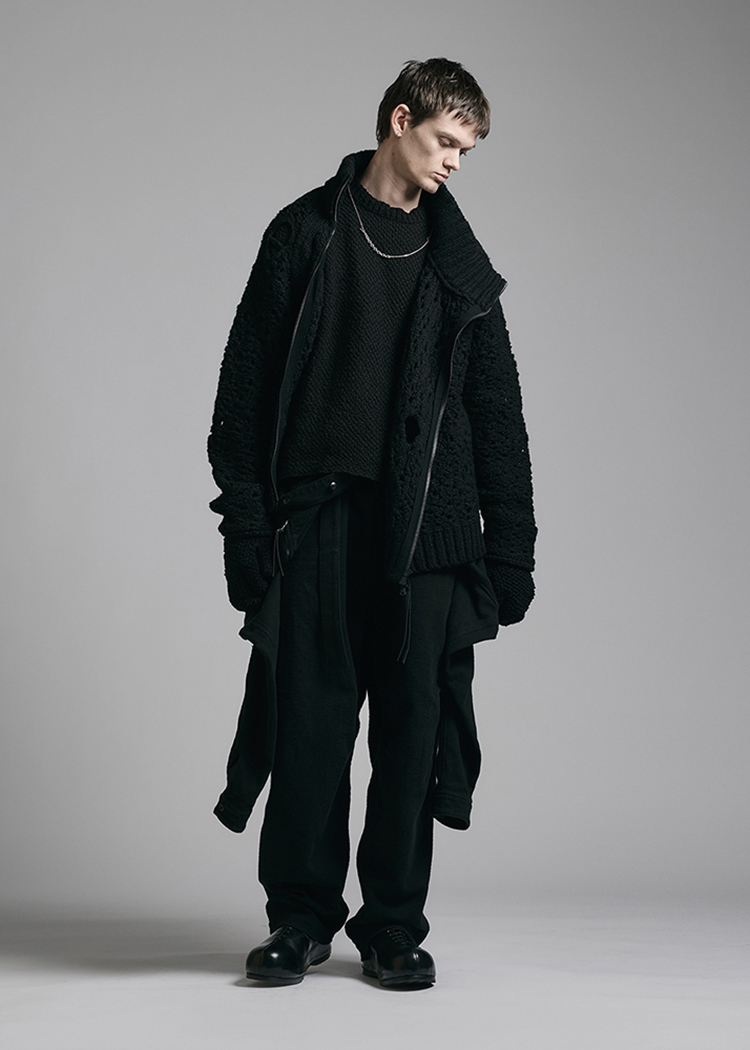
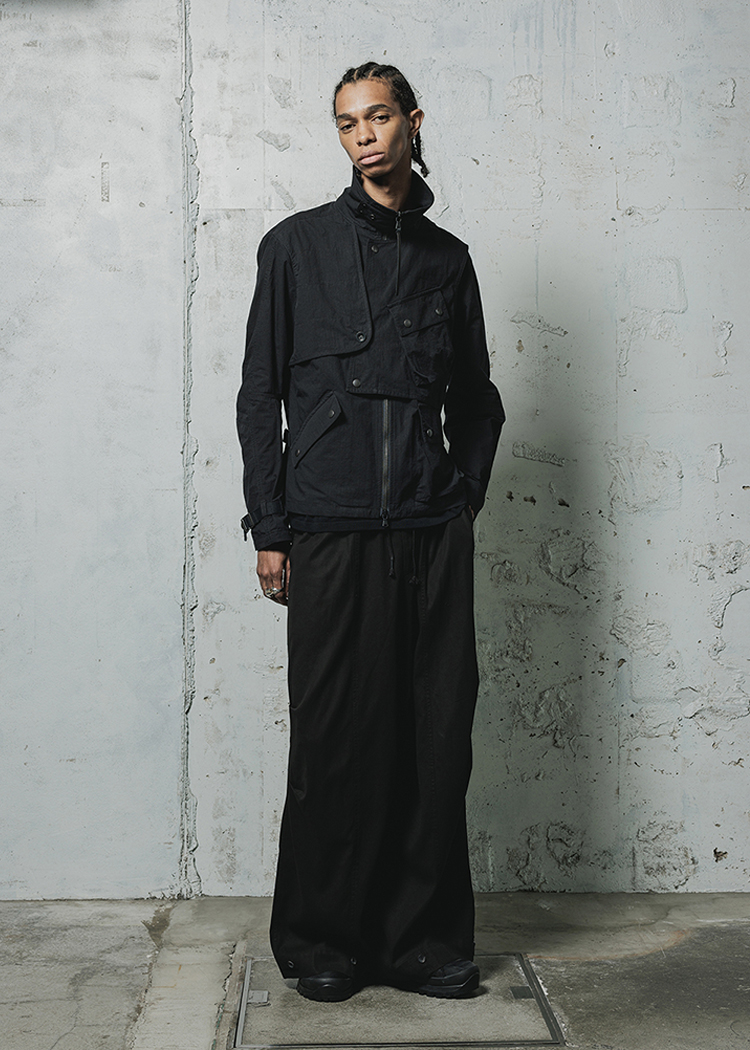
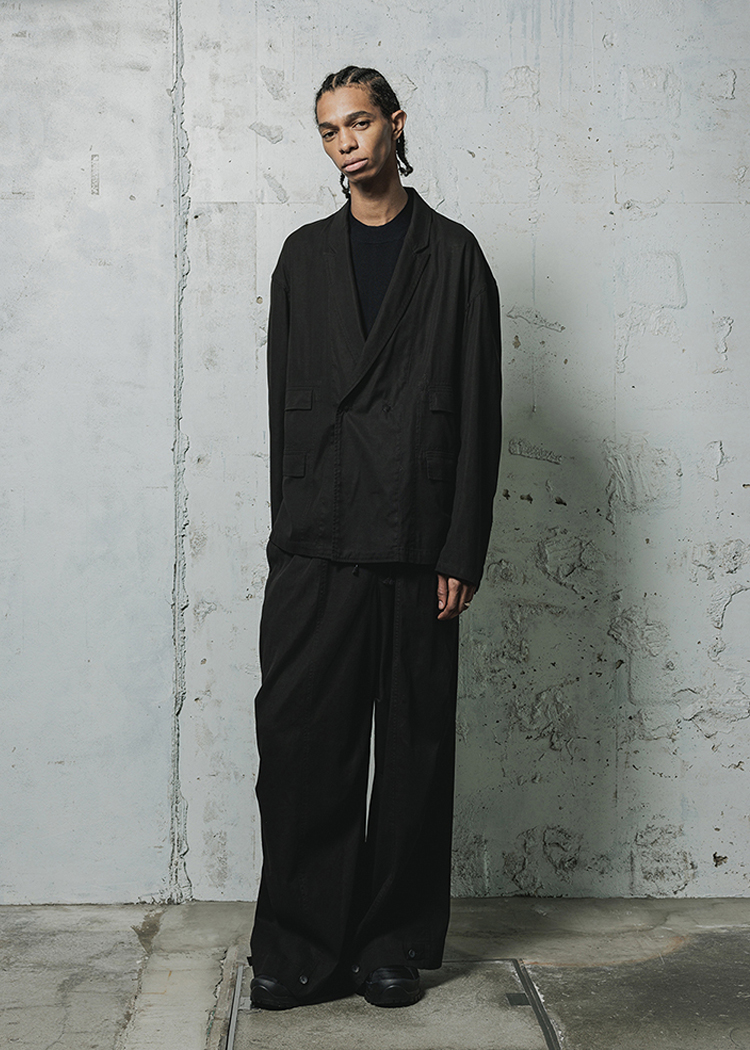
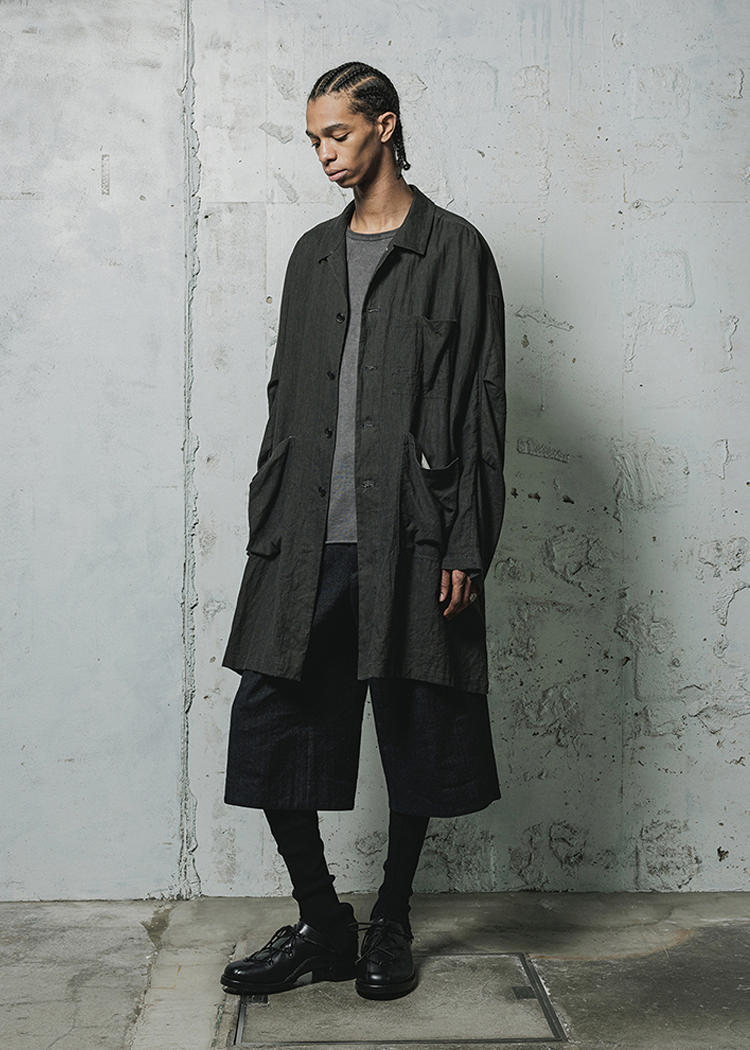
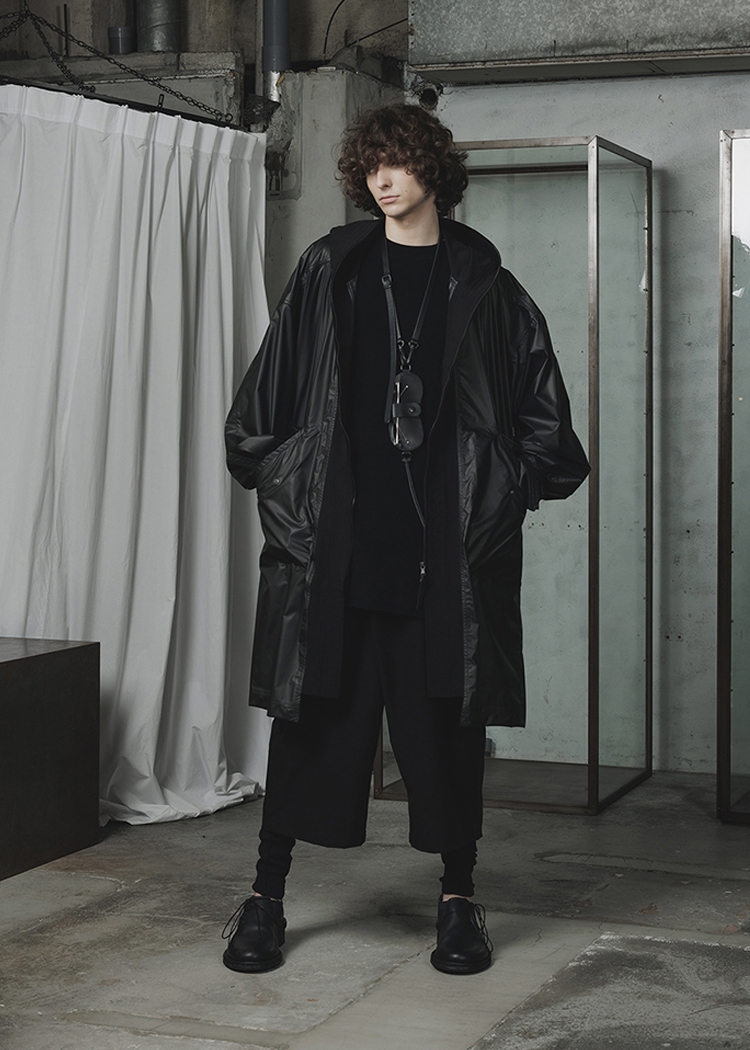
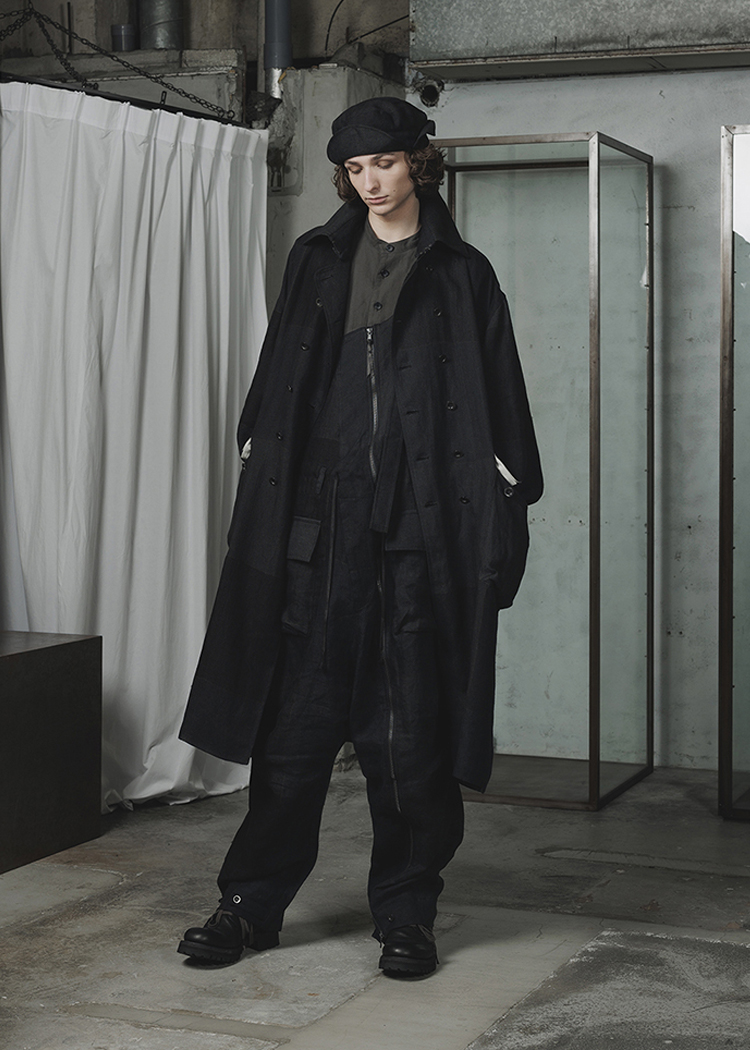
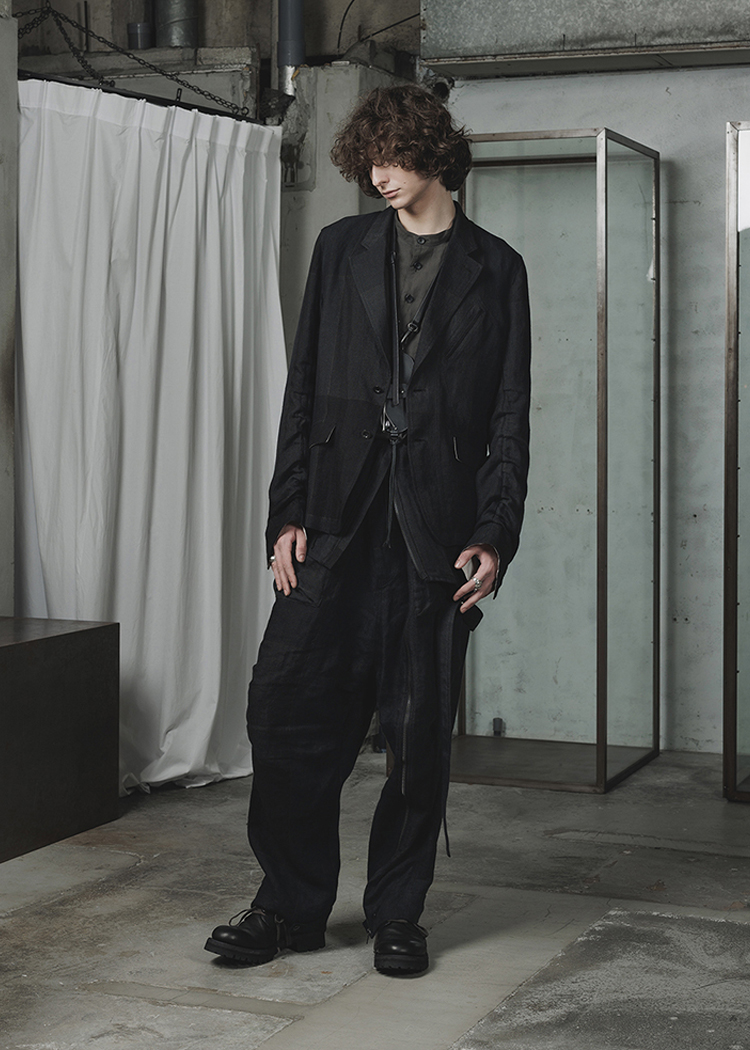
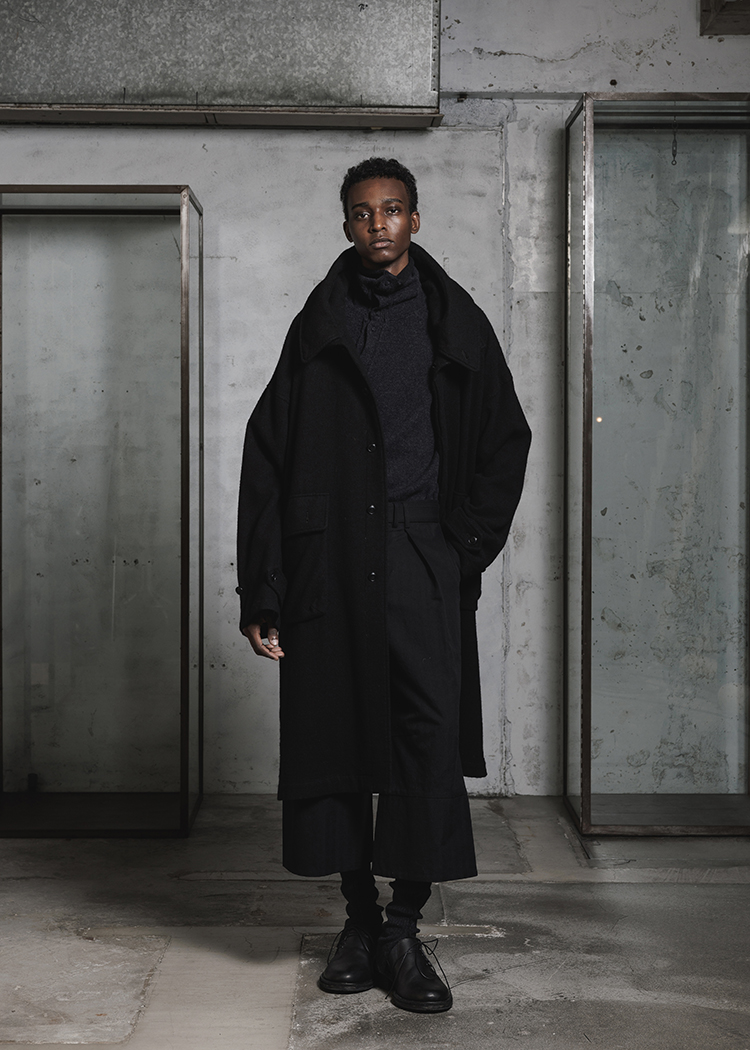
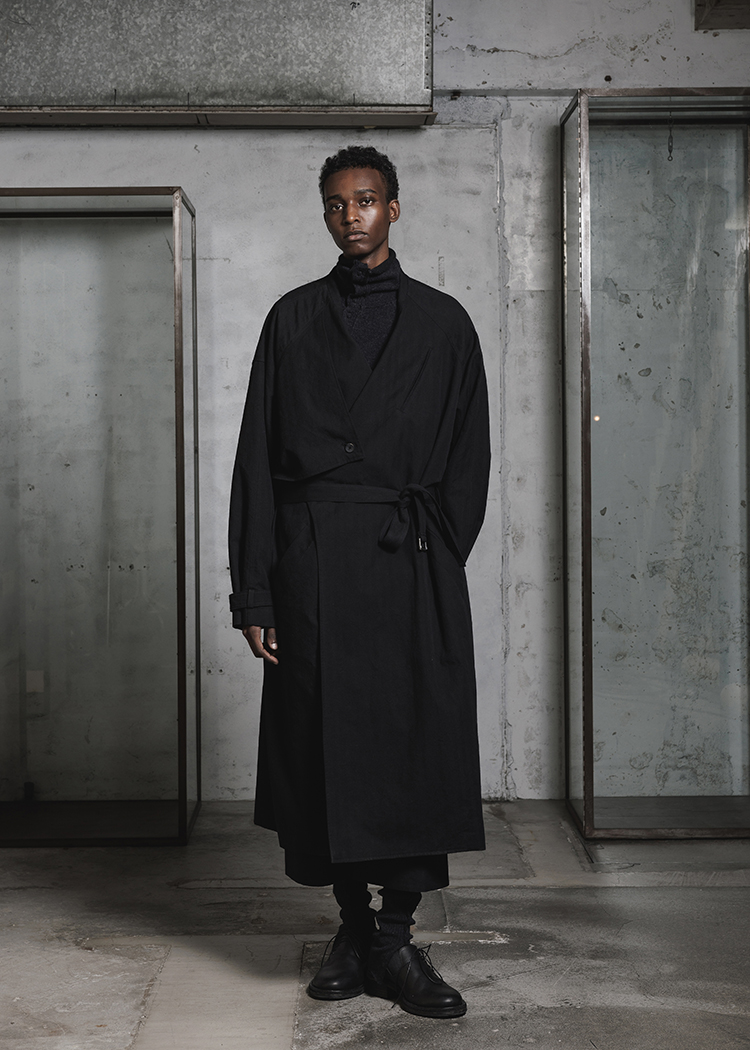
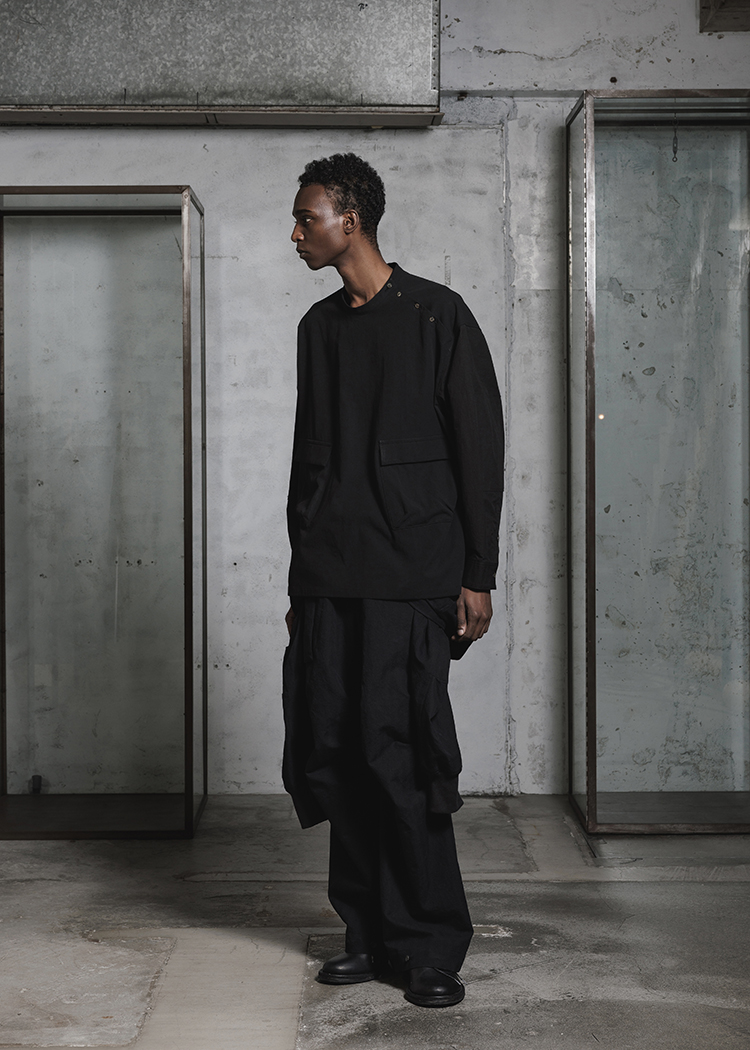
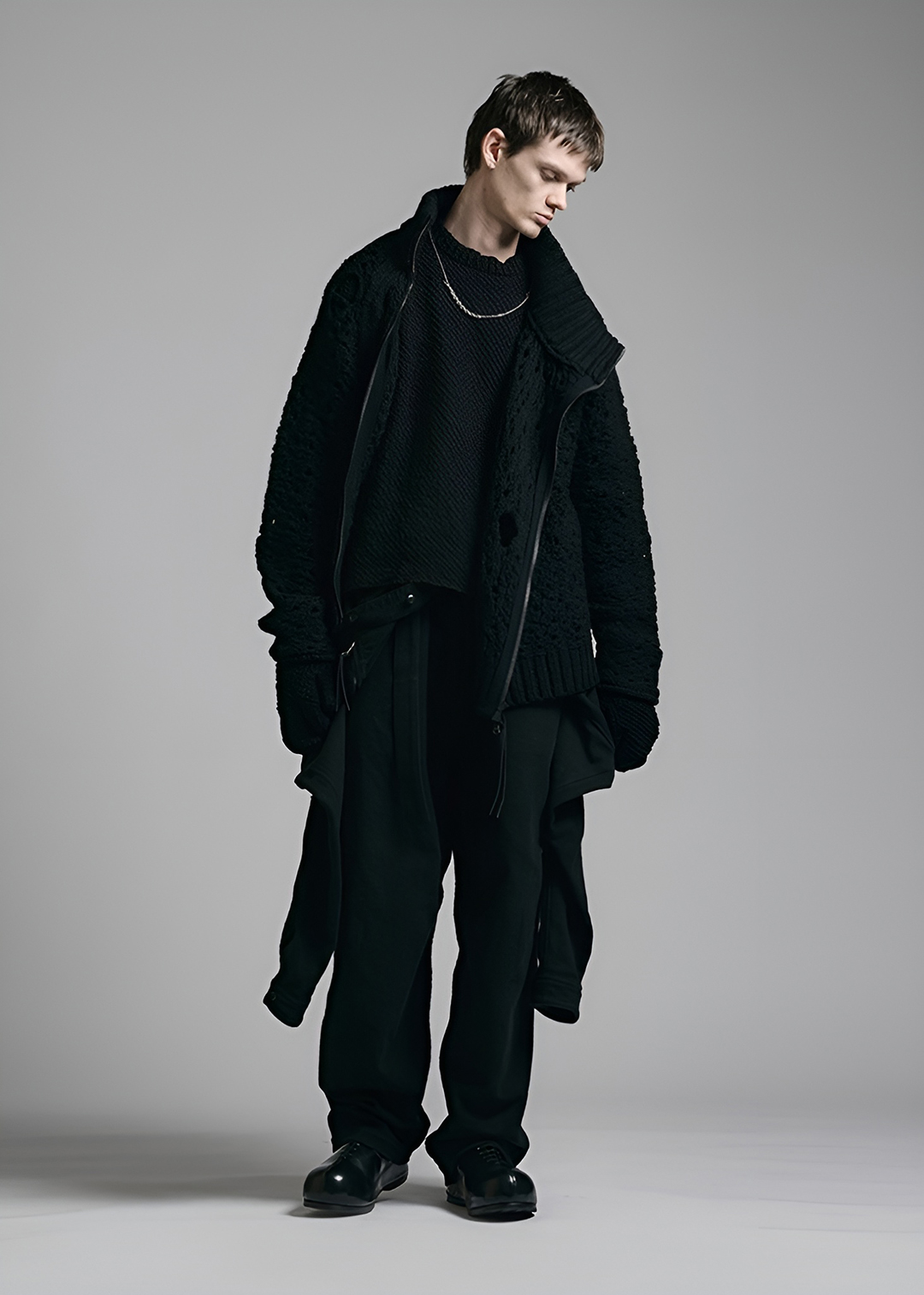
When you take a comprehensive look at all different collections released by Japanese brand The Viridi-Anne, the term that comes to mind is “quiet nostalgia”. Pieces that feel dystopian yet warm at the same time, in a very discreet color palette composed almost entirely by black, white and variations of grey, resulting in a tough and uniquely sensitive aesthetic universe. As stated by creative director and founder Tomoaki Okaniwa, “we started out with a concept of “quiet yet strong” persona in our brand that is still a part of who we are today. I aim to create clothes for someone quiet, calm, strong-willed, who doesn’t need to make noise and is attractive through it all.”
The Viridi-Anne was founded by Okaniwa, who comes from a fine arts background with a major in painting at the Tokyo Zoukei University, in 2001. According to Okinawa himself, “back in my university days, I was heavily influenced by London’s avant-garde fashion scene. I started making clothes without really knowing how to, as part of my art projects for school. From my beginnings, I saw clothing as something between art and fashion.” The brand grew at a steady pace, being able to open its first flagship store in Jingumae, in the district of Shibuya in Tokyo, in 2003, and eventually have their first exhibition for the A/W 06 season in Paris in 2006.
In a somewhat inverse progression when compared to other fashion creators, Okaniwa tends to start his design process from the feeling he gets from each textile. In other words: first comes the fabric, then the design. This approach isn’t always intentional, as he explains: “When designing something new, I first imagine the item or the atmosphere where it would fit and then create a fabric that suits it, but conversely, it’s not rare for me to be inspired by the fabric itself to create a concept or a design out of it. I’m not an expert in the elaboration of textiles, so it’s exciting when I discover a fabric I wouldn’t be able to imagine on my own.”
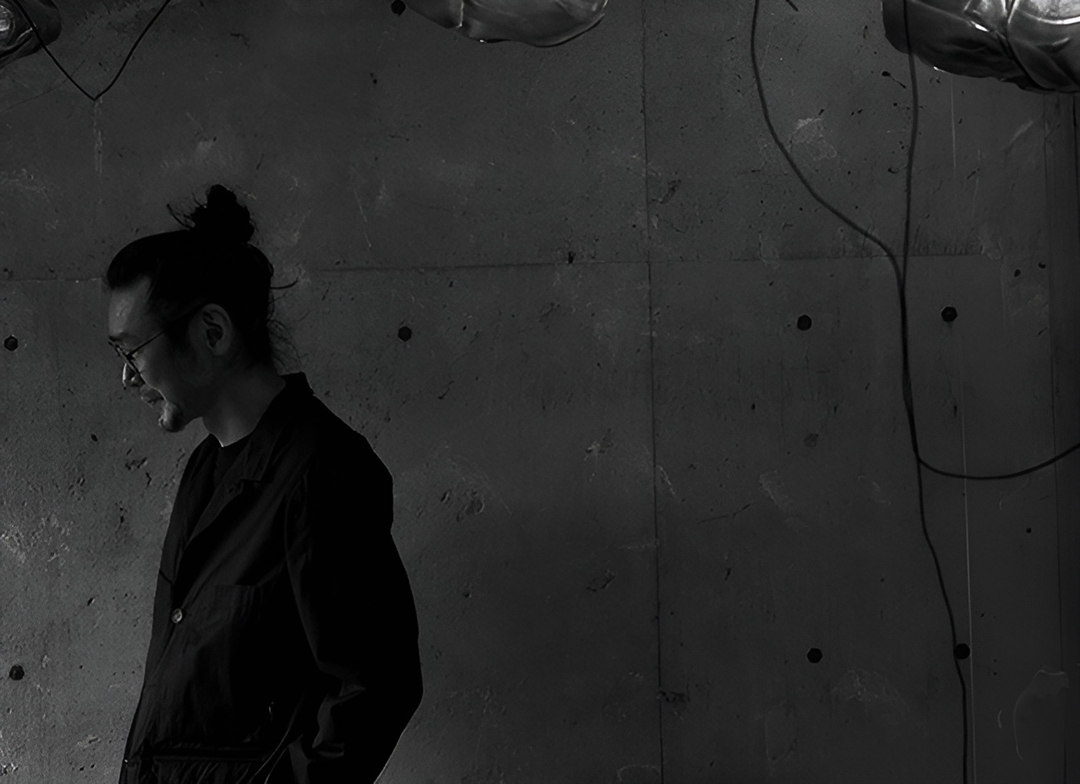
Additionally, Okaniwa draws inspiration from the European New Wave in cinema, with classic filmmakers such as Goddard and Truffaut among his favorites. It’s that soft, old-school vibe mixed with the requirement to fit contemporary consumers and their needs the driving force behind The Viridi-Anne’s approach. He makes it a point, though, to stress that it’s not just a matter of reimagining the past. “I feel that the roots of my design still lie there today, but I’m not interested in simply reproducing it. I like to imagine the clothes I vaguely see in a 3D world, adding my current ideas of functionality and balance to create something that is new.”
As patent in the balance between classic cuts and looser updated fits in in coats and pants, experimental knits and quintessential leather details in the A/W 2025 collection, The Viridi-anne offers a perspective where past, present and future collides to make high quality garments that will look fresh and functional for many years after being purchased. If there is one statement that encapsulates Okaniwa’s point of view towards creativity and fashion, it would be the one he himself mentioned: “This idea is timeless”.
ABOUT TOMOAKI OKANIWA
Tomoaki Okaniwa was born in Nagano Prefecture in 1963 and originally studied painting at Tokyo Zokei University. After graduating, he gradually shifted his creative focus from canvas to cloth, teaching himself pattern-making and sewing before launching his first womenswear label, Caterpillar Produit, in 1987.
In 2001, seeking a medium that aligned more directly with his own sensibility, Okaniwa established The Viridi-Anne. Since then, he has cultivated a distinct aesthetic shaped by monochromatic restraint, meticulous construction, and a design approach rooted in the tactile, conceptual possibilities of fabric.
Okaniwa’s philosophy centers on subtle tension and understated presence. He approaches clothing as a way to create mood rather than spectacle, often beginning each collection with material experimentation. Many garments are developed in original or specially treated textiles, resulting in pieces that feel both familiar and slightly otherworldly — garments that exist in a space of quiet ambiguity.
Photos: Courtesy of The Viridi-Anne
www.viridi-anne.jp
@the_viridi_anne_atelier
GALLERY