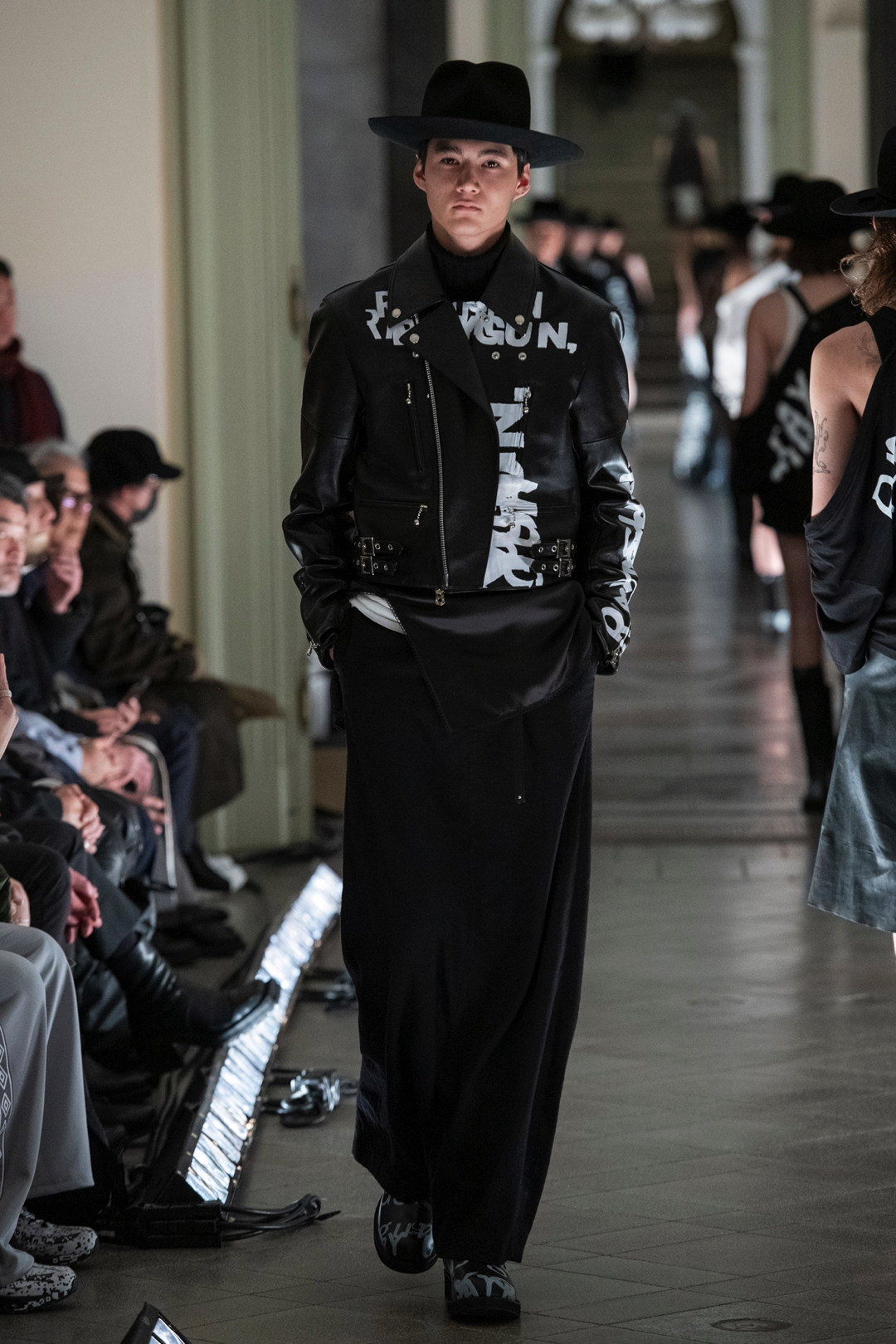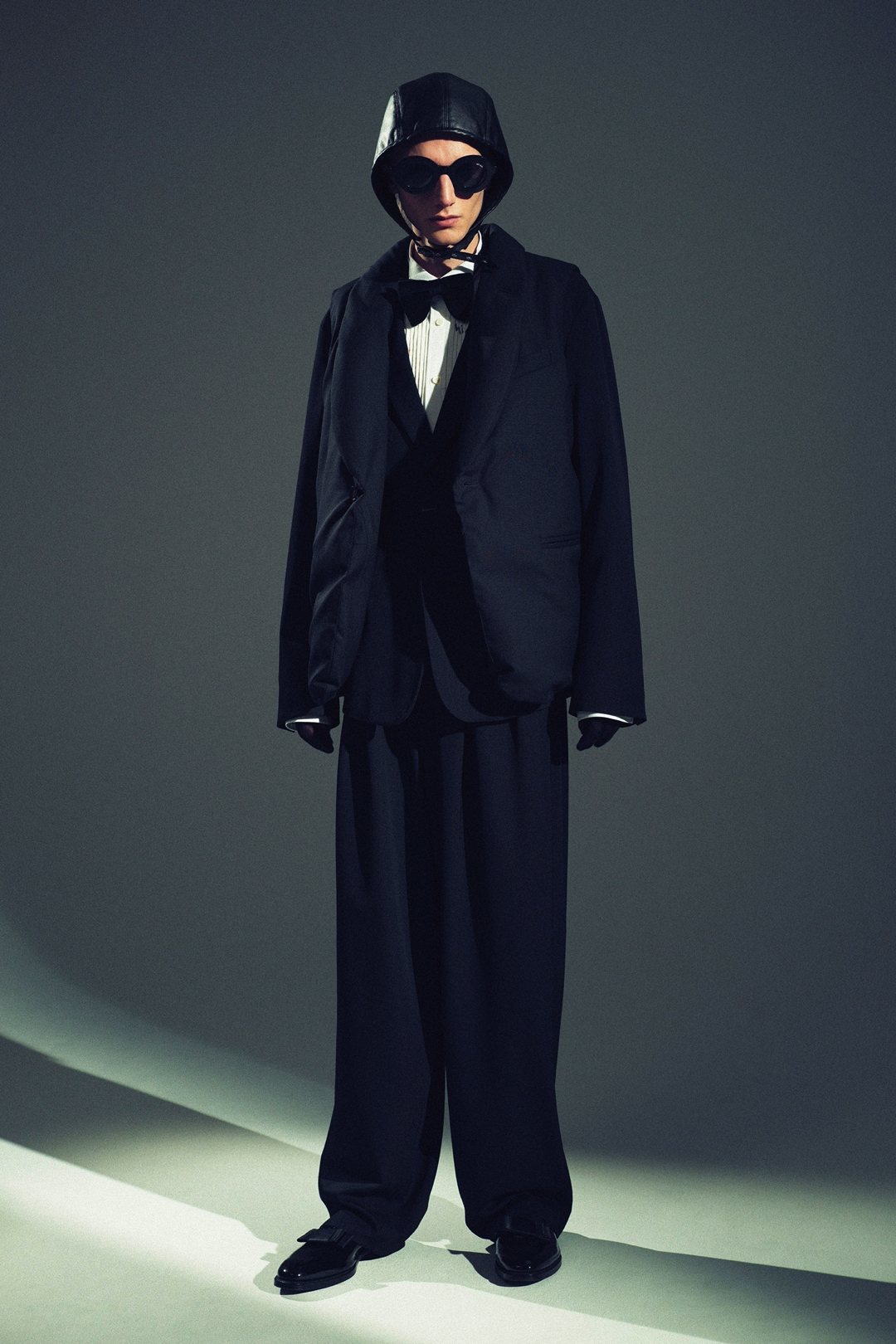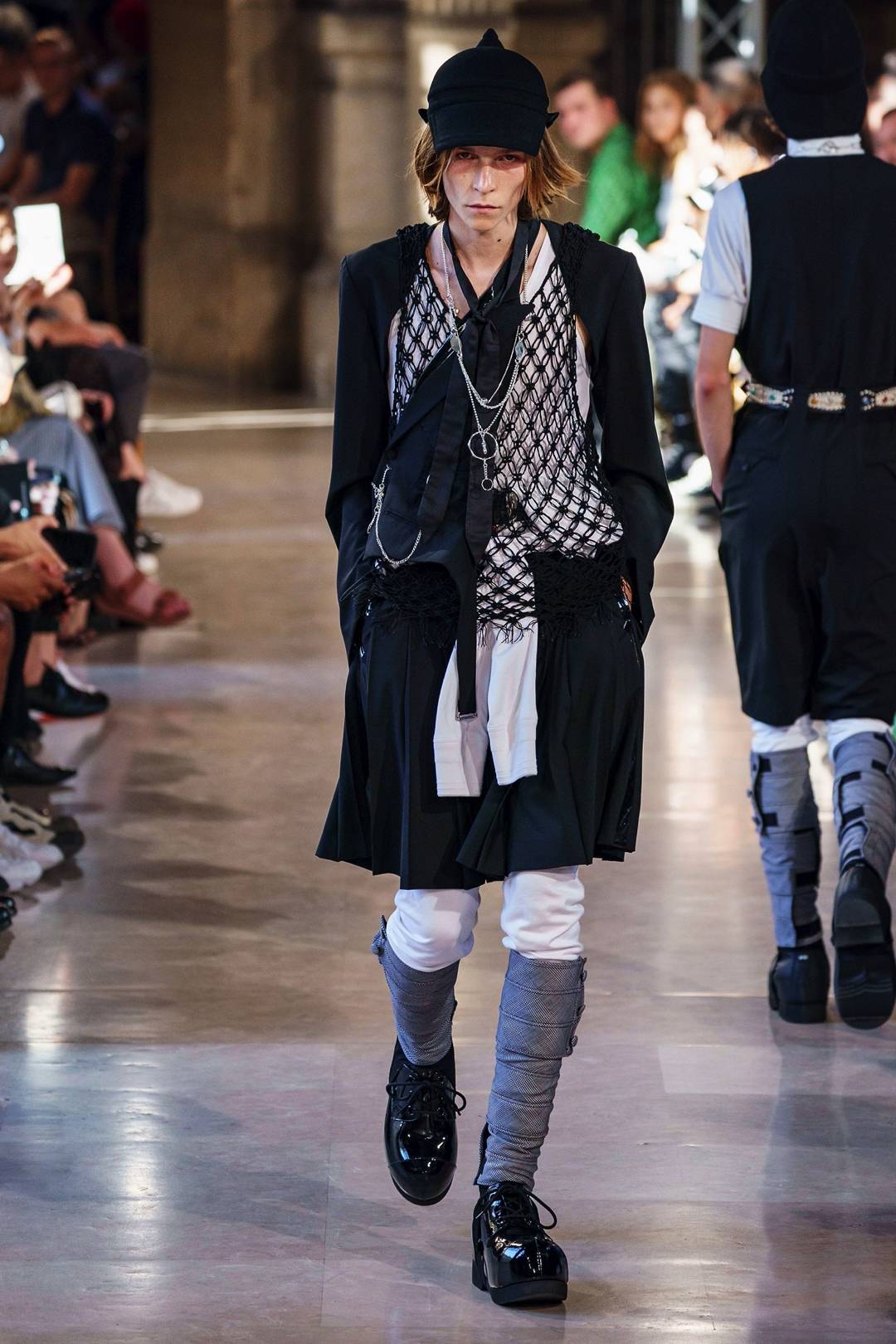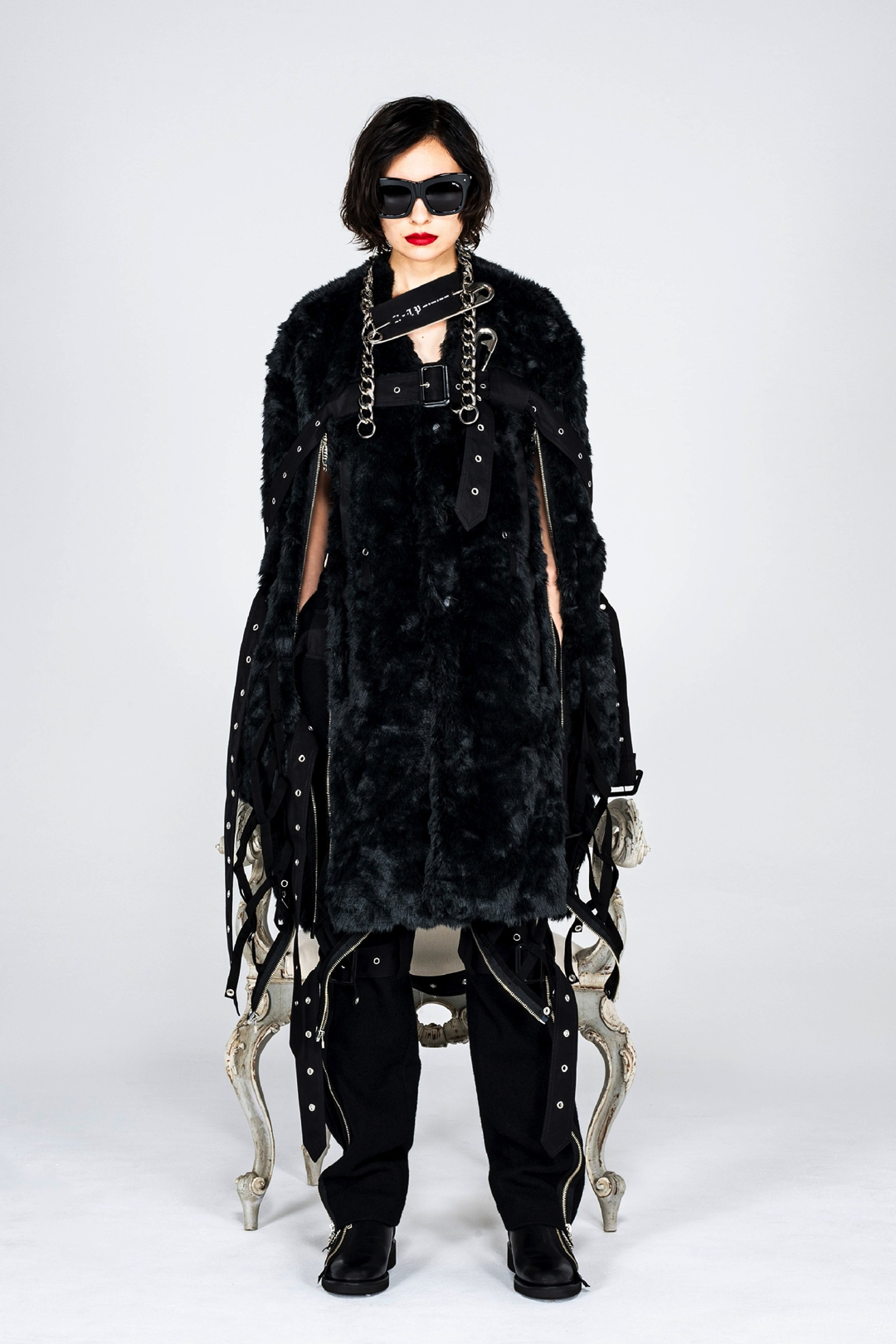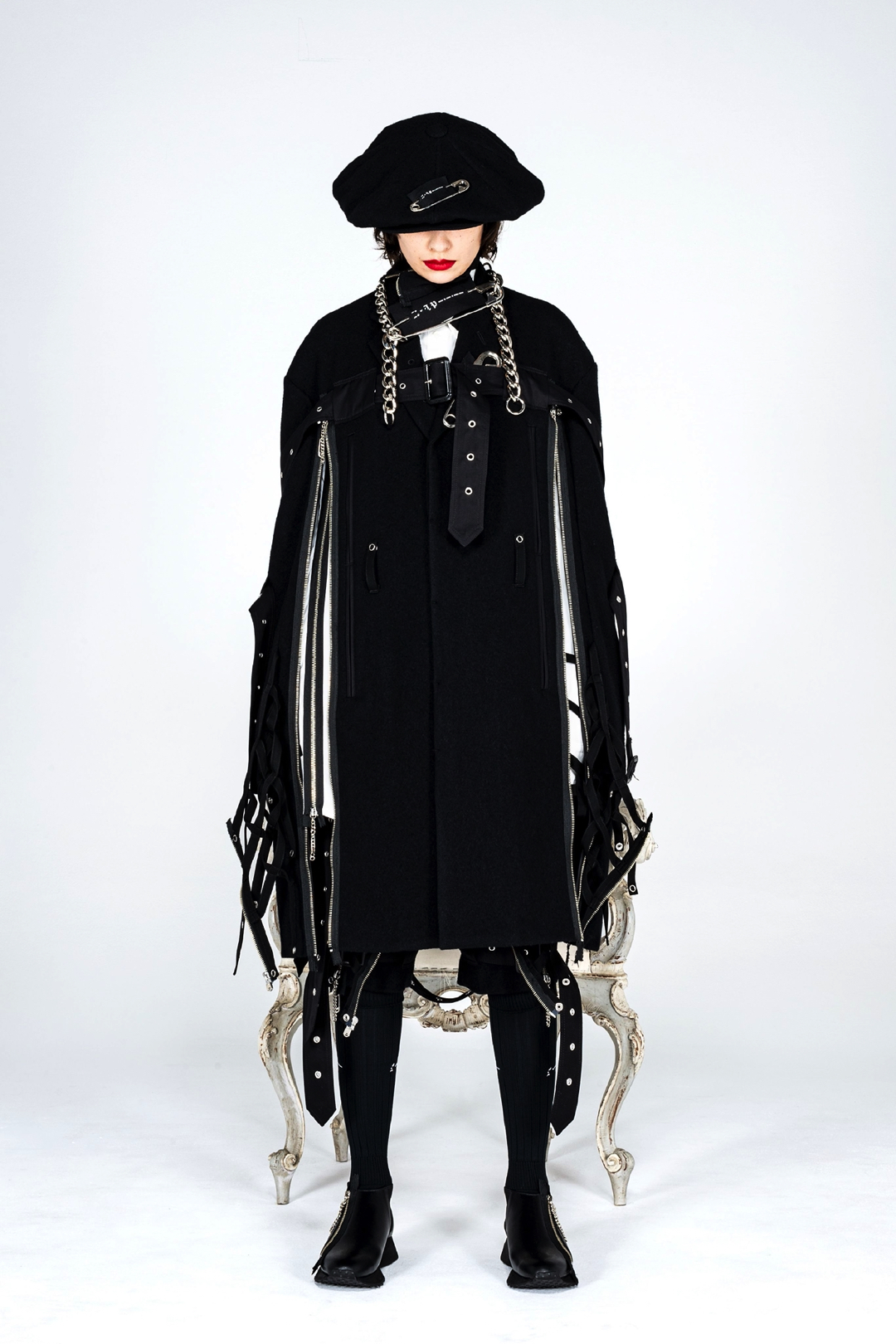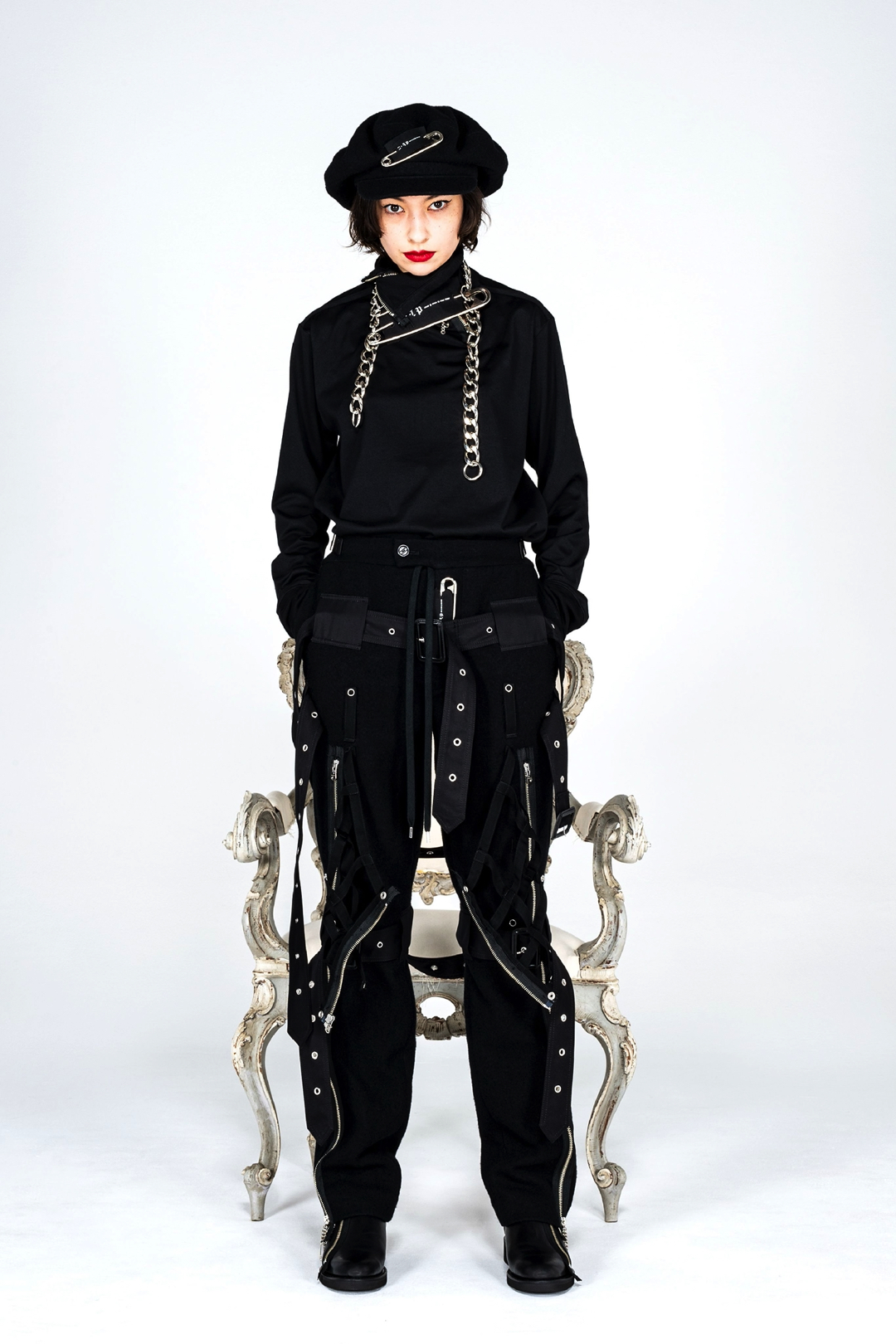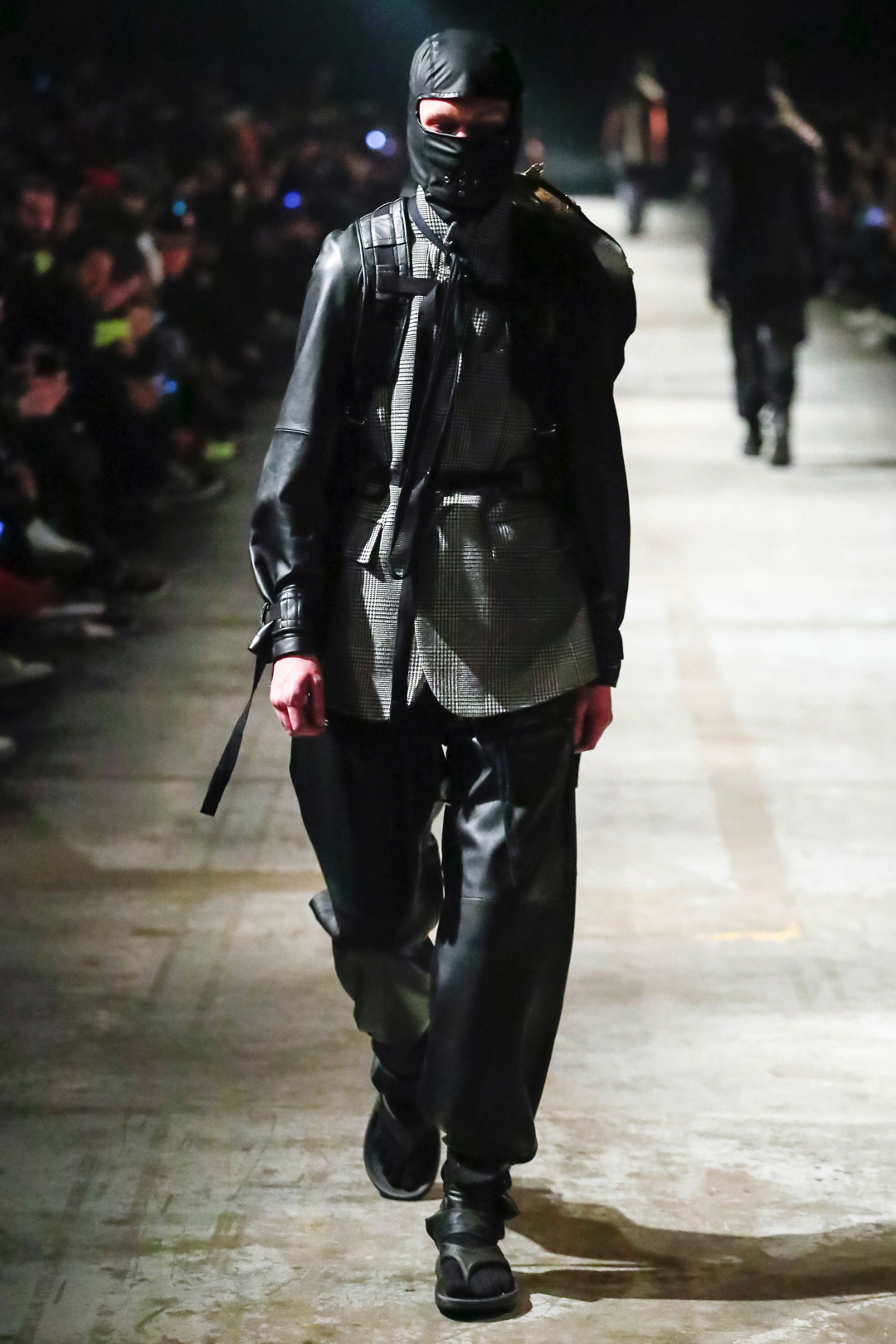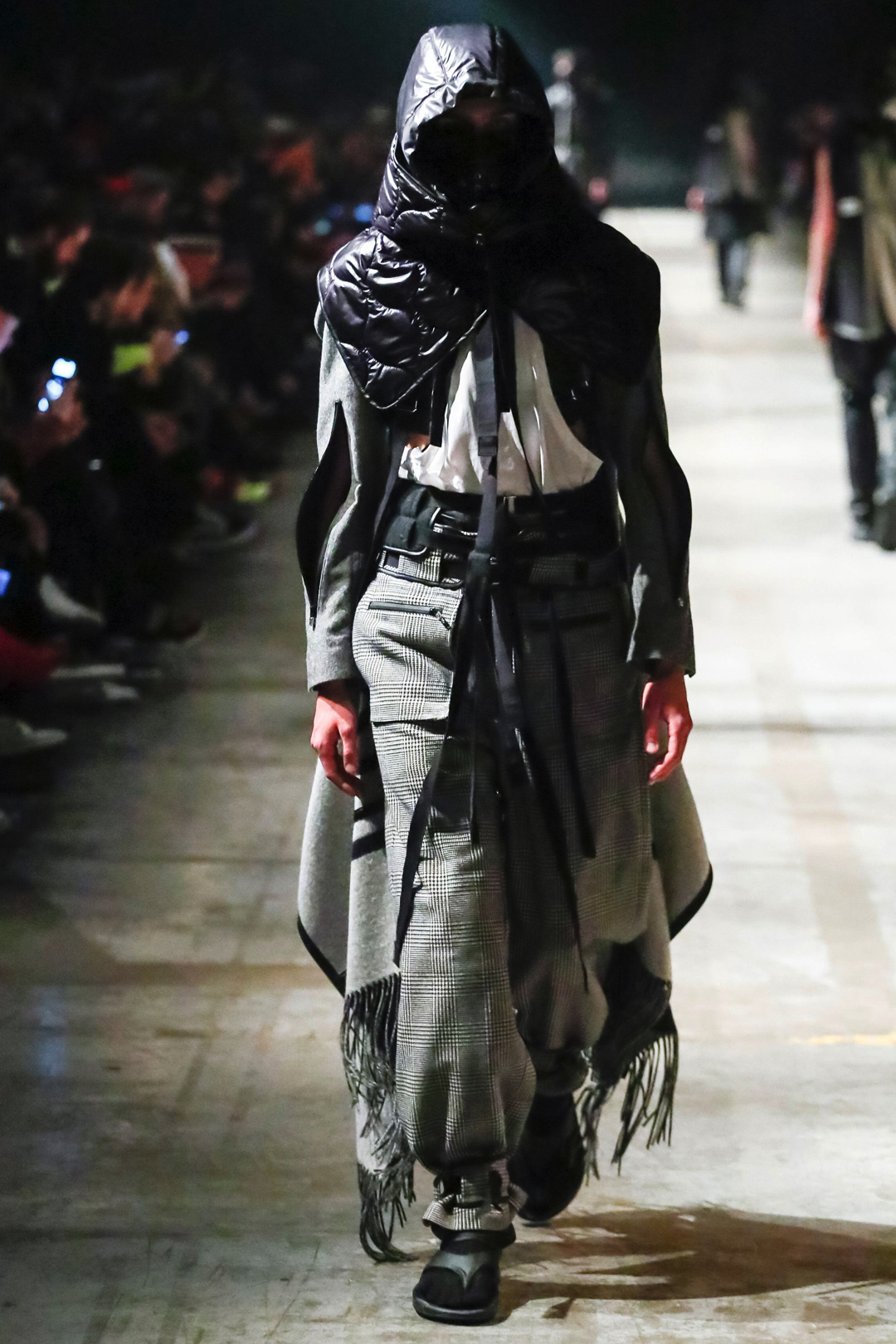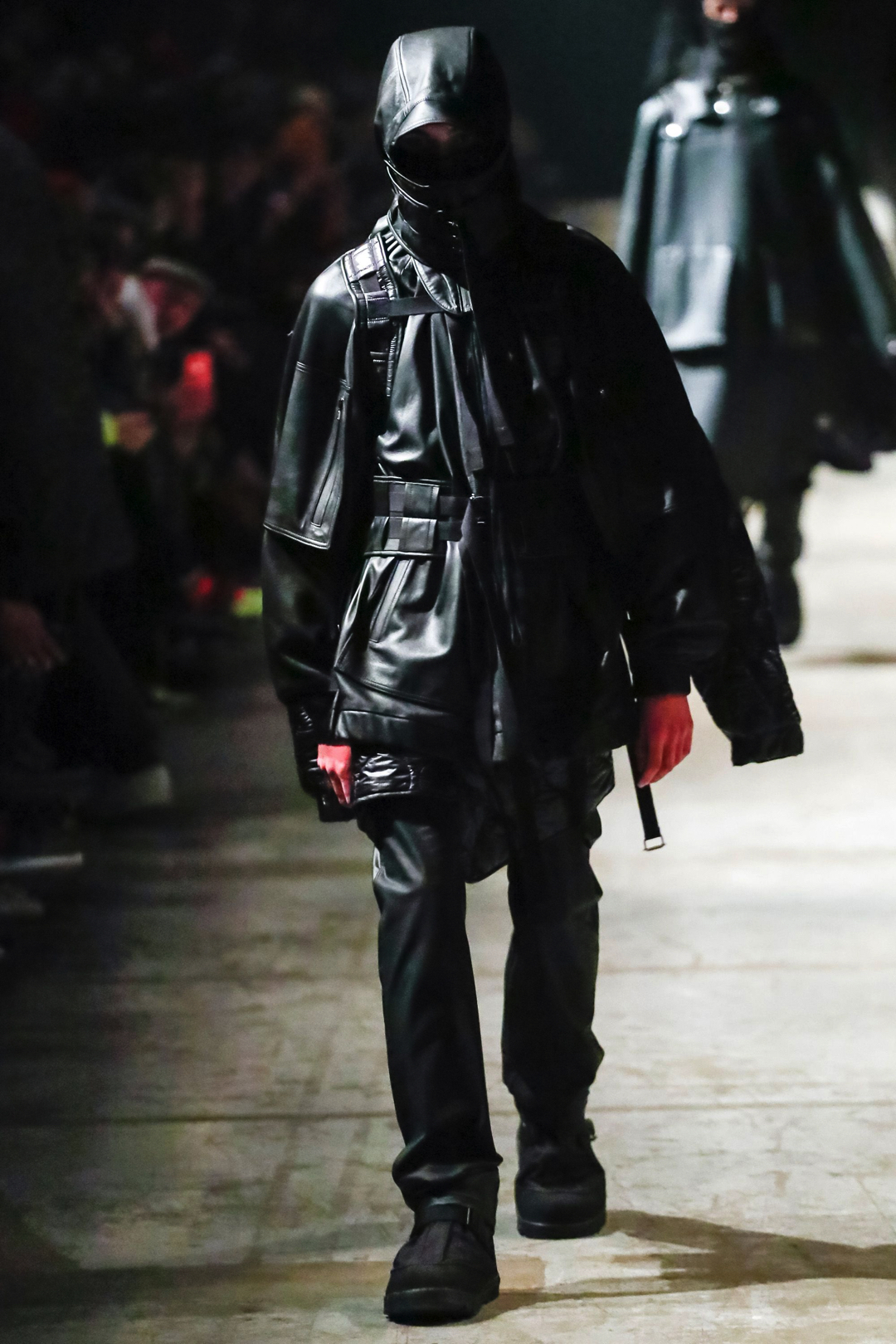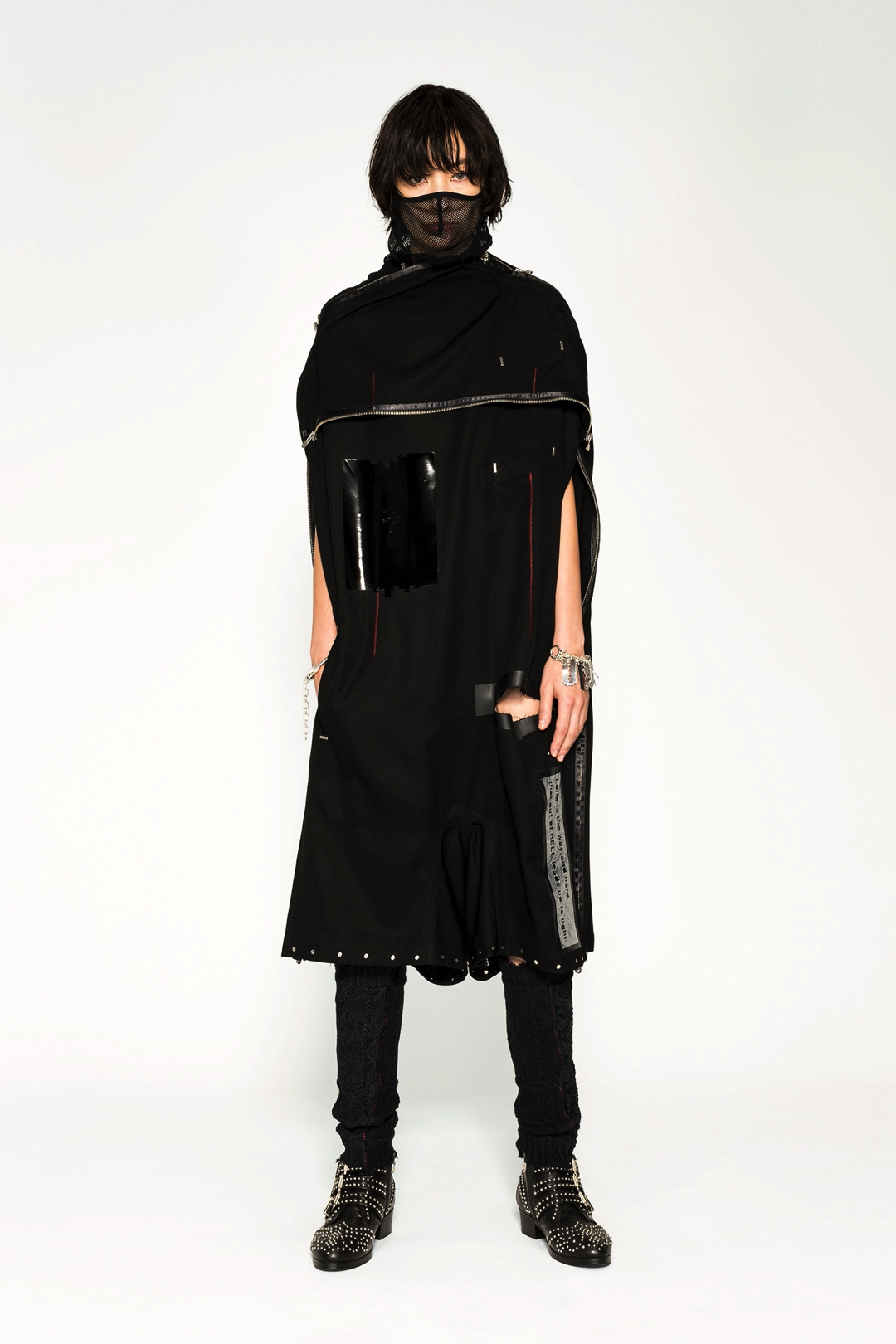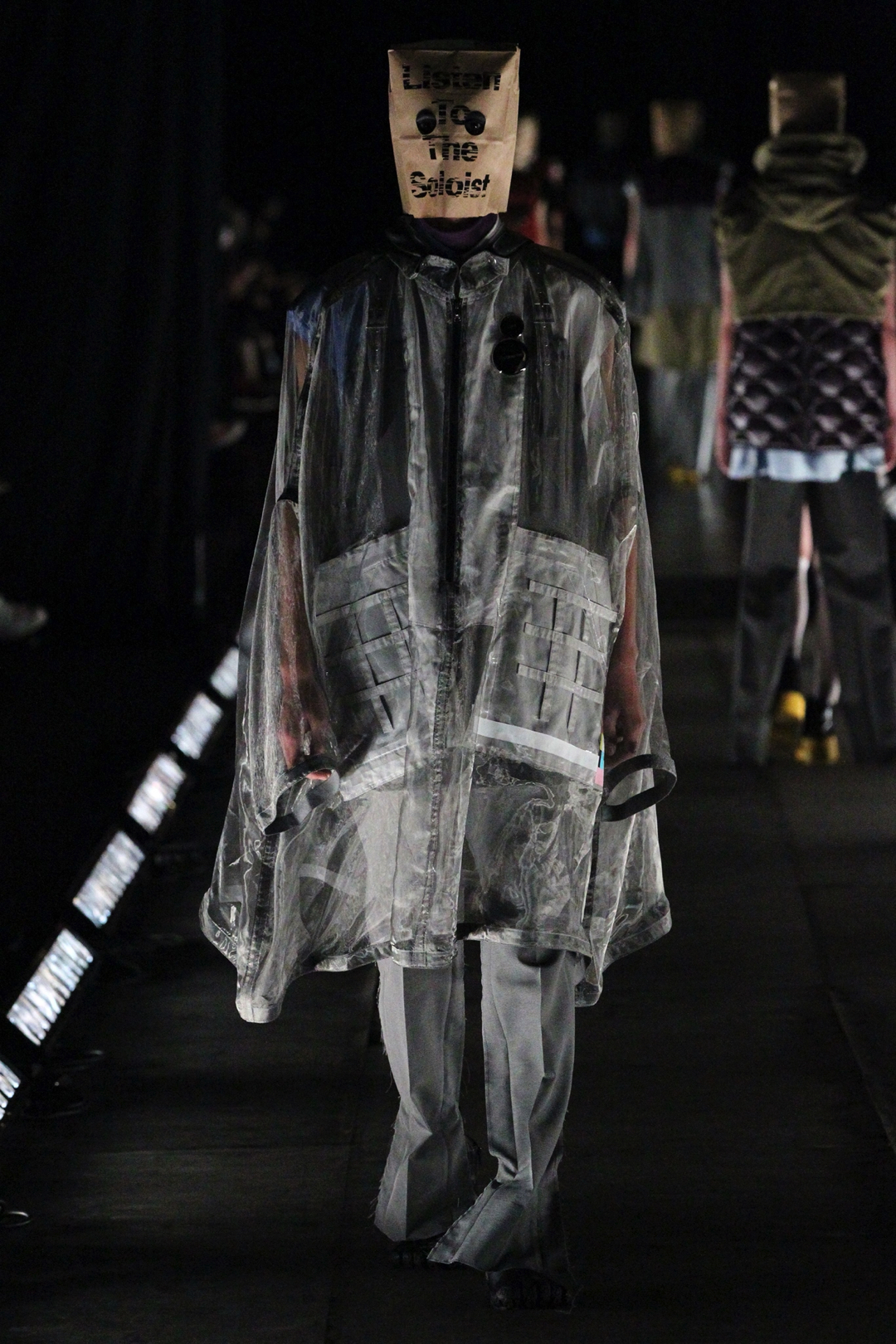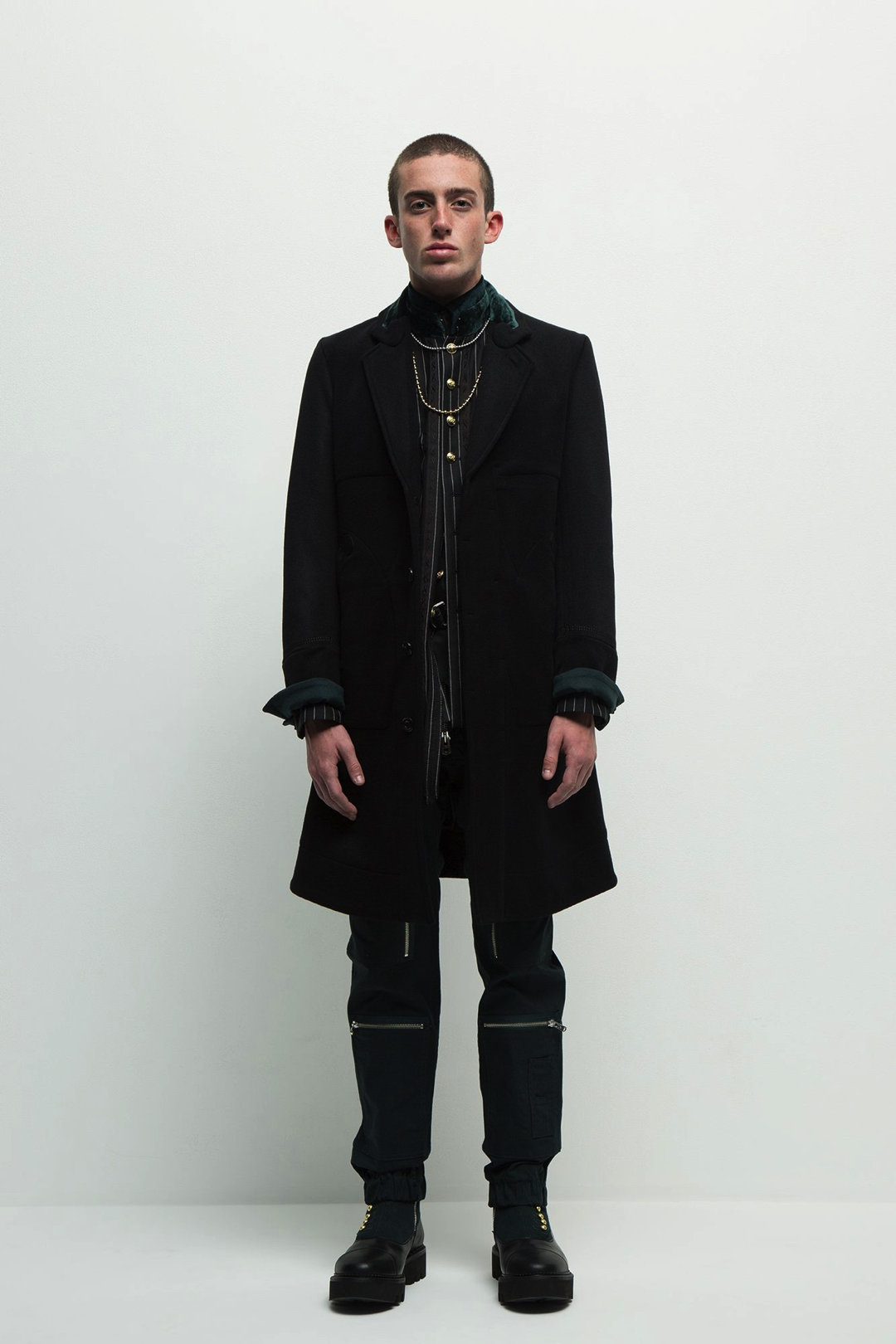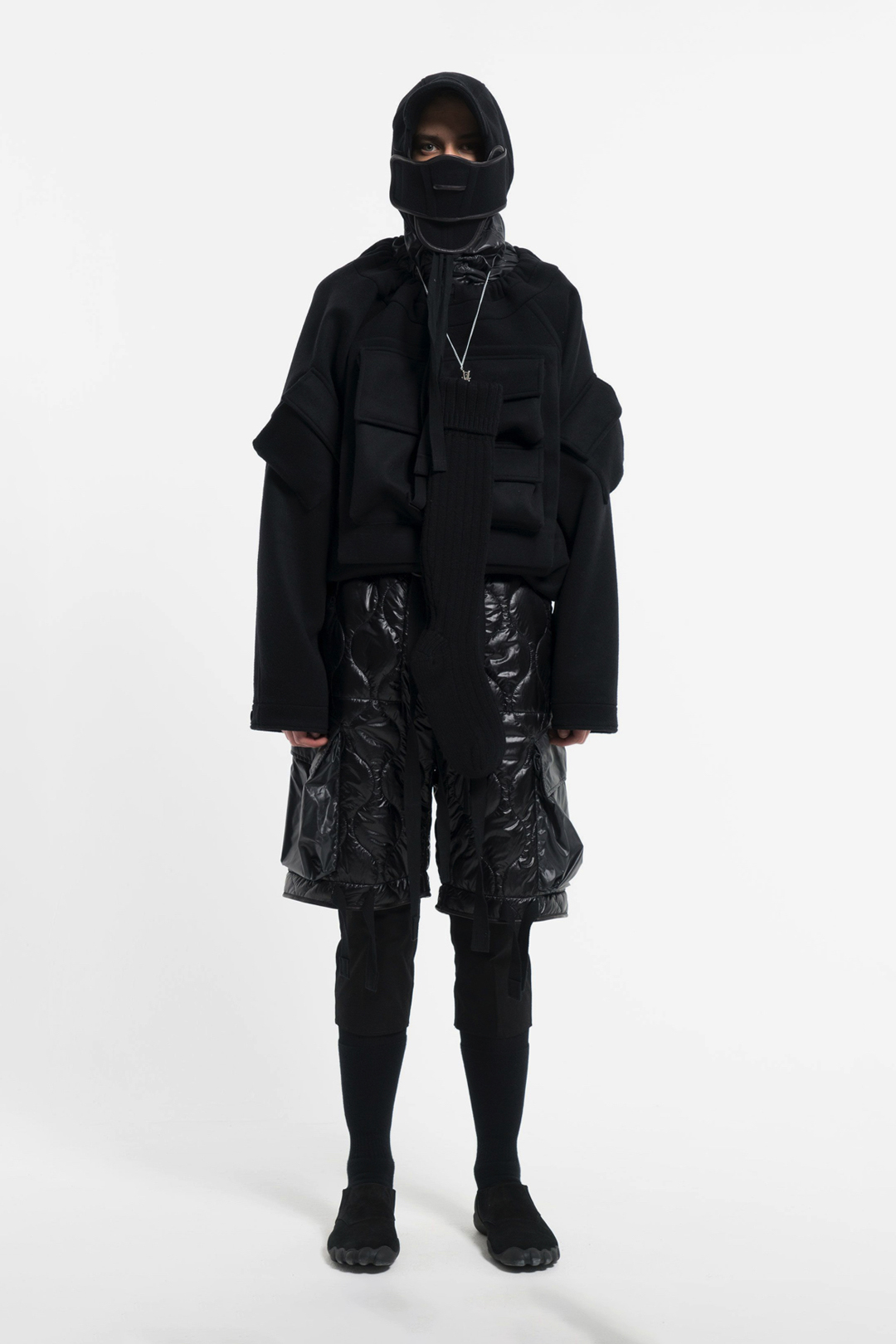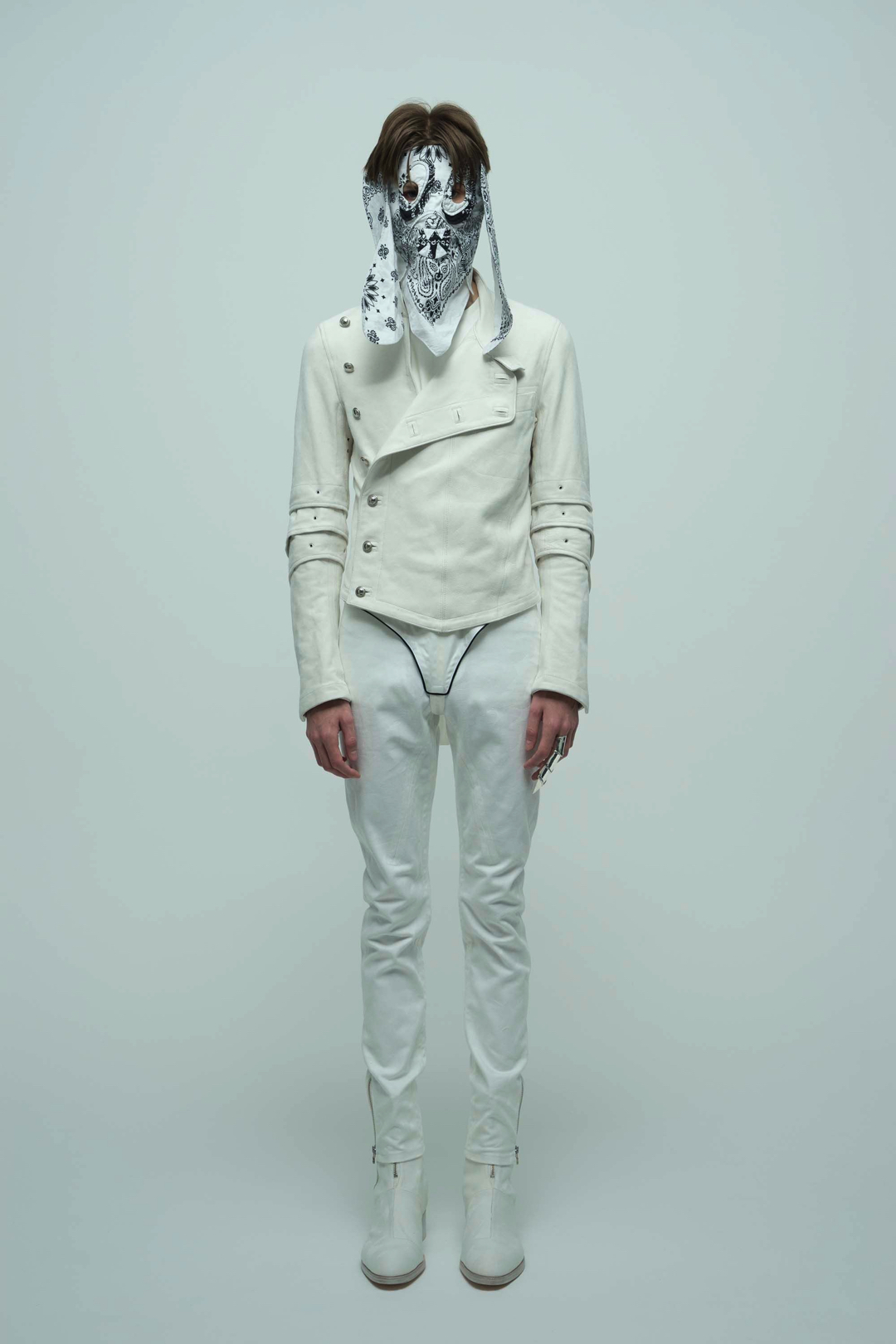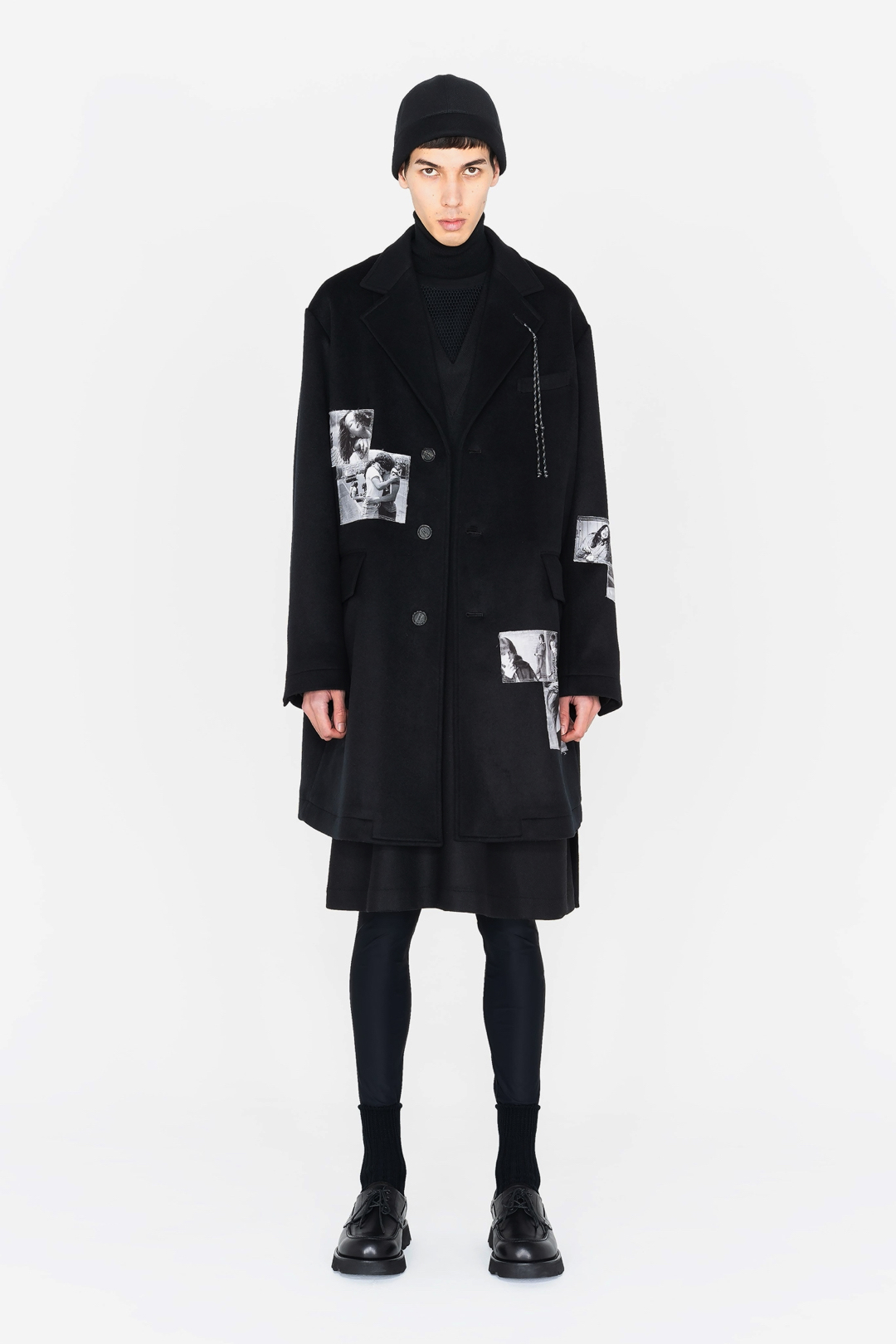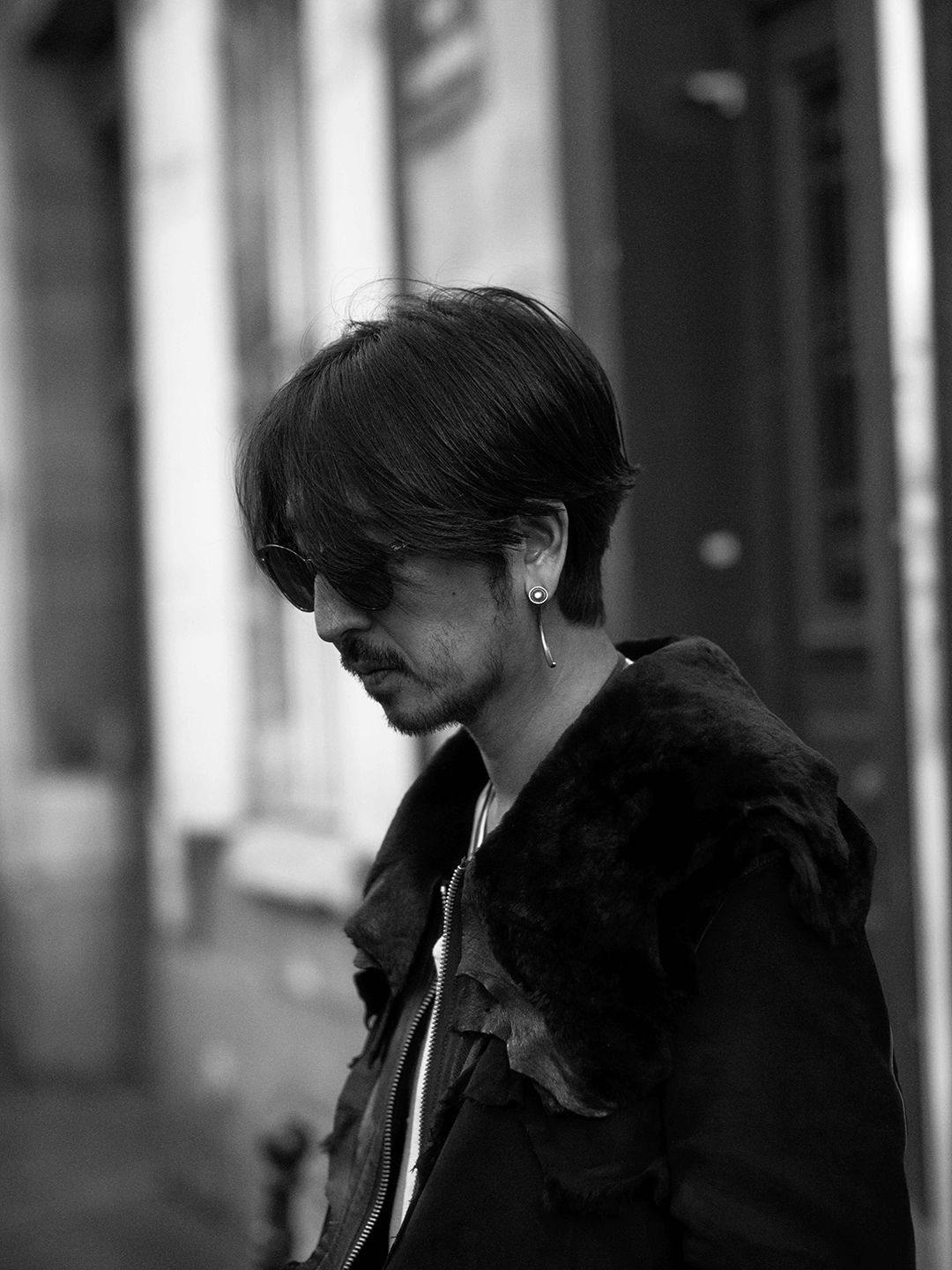
Designer Takahiro Miyashita has announced his departure from TakahiroMiyashita TheSoloist., the brand he founded in 2010 as a personal and independent project following his exit from Number (N)ine. With this decision, one of Japanese fashion’s most singular and introspective voices brings a fifteen-year chapter to a close.
Born in 1973 in Tokyo’s Hongo district, Miyashita’s early life was steeped in a creative domestic atmosphere. Raised by a composer father and a collage artist mother, his formative years were shaped by music and a visual sensitivity that found fertile ground in his proximity to Ginza. Despite financial limitations, fashion was never far. His mother often chose his clothing, guiding his early sense of aesthetic refinement.
Miyashita’s adolescence was turbulent. He dropped out of high school, driven not by disinterest but by a fierce obsession with music and clothing. It was a path marked by rebellion and introspection, one that led him through a string of part-time jobs before eventually landing at a publishing company. There, fate intervened in the form of Nepenthes, a haven for American imports and a meeting ground for fashion’s early outsiders. It was here that his lifelong relationship with Keizo Shimizu and Taiki Suzuki began. Soon after, Miyashita made his way to the U.S., working in the New York outpost of Nepenthes and absorbing the raw electricity of American subcultures.
But independence was always the end goal. In 1997, at just 23, he founded Number (N)ine, a brand named after the Beatles’ experimental track “Revolution 9.” The brand’s early collections echoed Miyashita’s deep connection to music, particularly the angst and disaffection of Kurt Cobain, his most cherished muse. Number (N)one was visceral, erratic, and punk in spirit. It fused grunge, Americana, and Japanese precision, often layering references from military wear to Western cowboy tropes. Clothing became his way of translating the ethos of youth culture into material form, with garments that felt more like fan letters than fashion products.
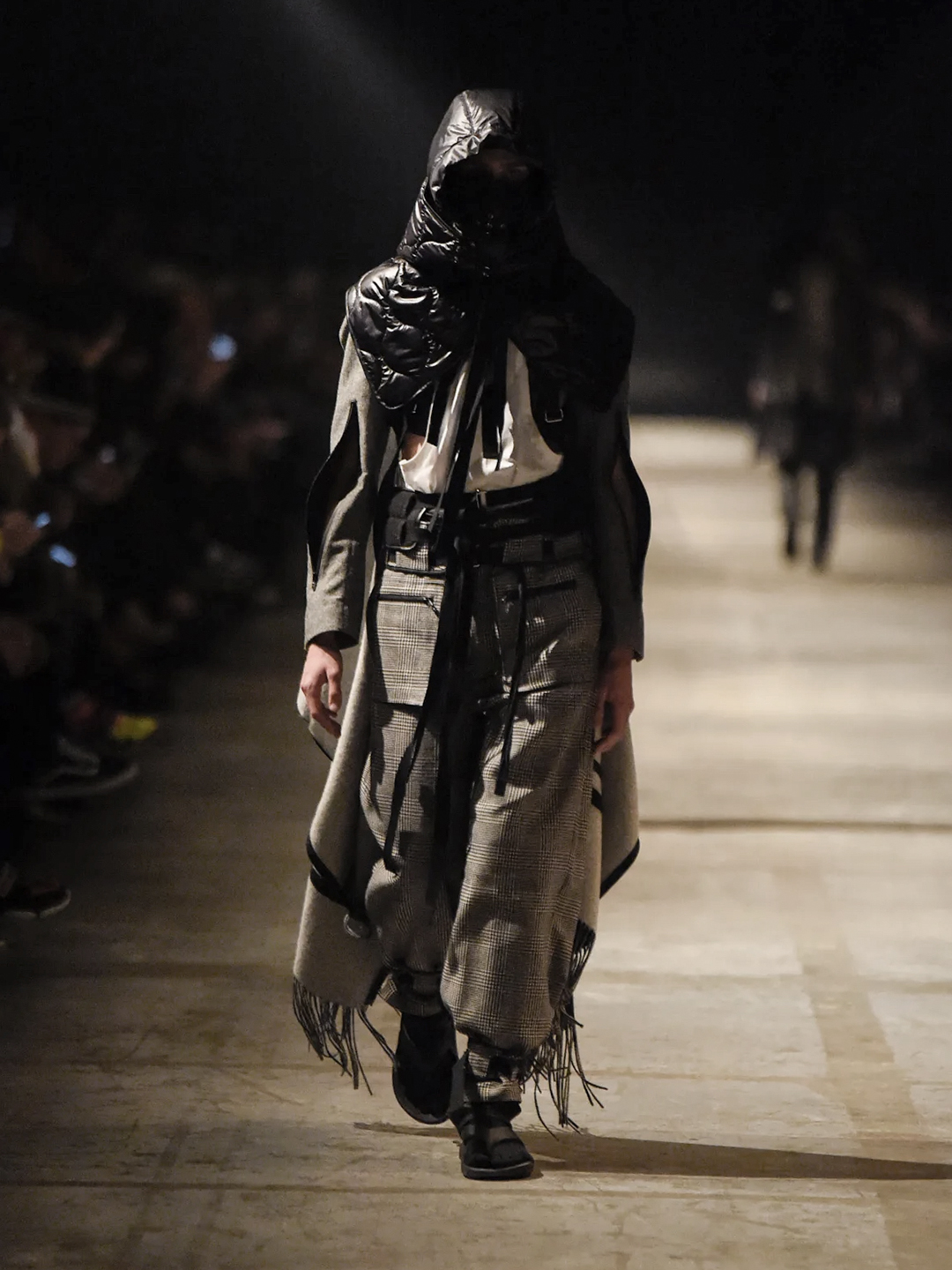
The brand’s commercial success was immediate, and by the early 2000s, it had grown into a global phenomenon, gracing the Paris runway and attracting international acclaim. But Miyashita grew uneasy. Number (N)ine began to feel like a label more than a vehicle for expression. As equity disputes and outside investment offers loomed, he walked away in 2009. Without him, Number (N)ine became a museum of its former self, a repetition of past gestures without the soul that once animated them.
It was fellow designer Jun Takahashi who helped reframe his thinking. A brand, he said, is like a band. It can come together and break up. And so, like a frontman going solo, Miyashita reemerged in 2010 under a new banner: TakahiroMiyashita TheSoloist.
Unlike the band-like structure of Number (N)one, TheSoloist. was a diary. It bore his name, his voice, his rhythm. The collections were quieter but more intricate, avoiding the obvious in favor of nuance. Garments were designed like songs, subtle, layered, emotionally resonant. Minimal color palettes met architectural volumes, and musical motifs remained ever-present, whether in the structure of a jacket or the title of a show. In TheSoloist., Miyashita achieved something rare in fashion: an unfiltered, unsponsored narrative voice.
Now, as he announces his departure from the brand with the upcoming AW25 collection, “The Black -and- White Realism”, he frames it not as an ending but a coda. “We have decided to pursue different directions, each grateful for the other,” he writes in a farewell message. “Creative new beginnings for everyone in today’s times is rare and special.”
There is sadness, yes, but also clarity. Miyashita never designed for markets, moments, or movements. He designed like a musician writes songs, personal and unafraid. His work never pandered to trend or taste. It spoke in chords. Now, with this final collection, the music quiets. But for those who have followed his journey, from Ginza to Ebisu, from Number (N)ine to TheSoloist., the silence will be filled with memory.
As with all great compositions, the final note lingers.
Photos: GoRunway, WWD and Takao Oshima.
www.the-soloist.net
@takashiromiyashitathesoloist
@tkhr_myst
GALLERY