

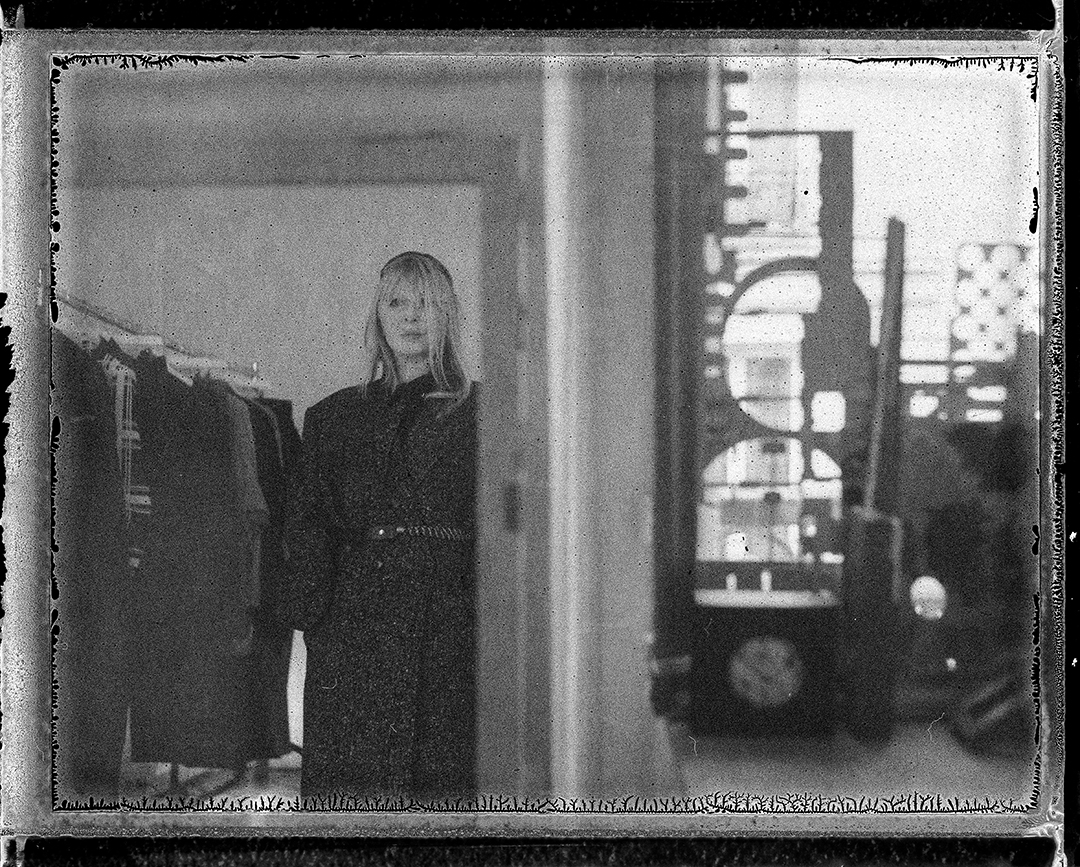
Among the six designers who became known as the “Antwerp Six”, Marina Yee (1958-2025) was always the quietest. Where her peers transformed the runway into a platform for identity and experimentation, Yee’s work turned inward, guided by an unrelenting curiosity about what garments could mean once stripped of fashion’s external noise. She was a designer who questioned the very logic of the industry she helped redefine.
Born in 1958 in Belgium, Marina Yee graduated from the Royal Academy of Fine Arts in Antwerp in 1981, entering a moment when fashion was shifting away from Parisian dominance toward new centers of creativity. Alongside Dries Van Noten, Ann Demeulemeester, Walter Van Beirendonck, Dirk Bikkembergs, and Dirk Van Saene, she became part of the group that would carry Belgian design onto the global stage. Yet even within that collective, Yee’s work resisted classification. While the Antwerp Six became synonymous with a new European avant-garde, she was the first to retreat from the machinery of fashion, choosing to build a slower, more contemplative practice outside its accelerating cycles.
Yee’s design language was rooted in reuse and reinterpretation. Long before sustainability entered fashion’s vocabulary, she was sourcing discarded garments and reassembling them into new compositions. Her approach was neither nostalgic nor purely aesthetic—it was philosophical. She viewed each found piece as an object of memory, bearing the imprint of previous use, and approached reconstruction as a dialogue between past and present. This relationship between the lived and the made would become the axis of her work.
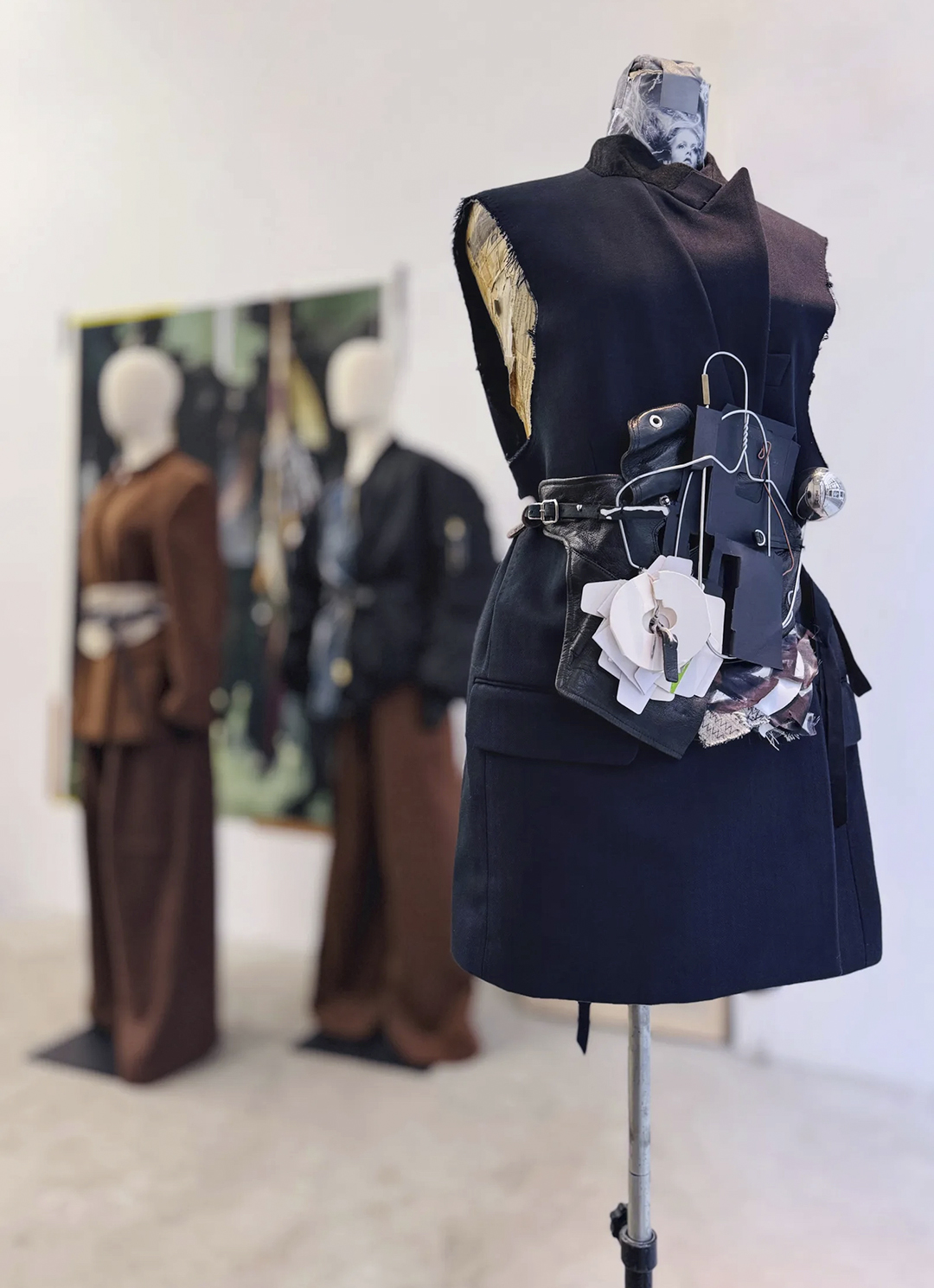
Deconstruction, for Yee, was not merely a formal technique but an act of reflection. She challenged the idea that a garment’s value resided in novelty or perfection. Instead, she revealed beauty in imperfection, inviting traces of wear, repair, and time to coexist within her constructions. In this sense, her work shared affinities with the Japanese concept of wabi-sabi and the later discourse of circular design, yet it remained distinctly her own—European in intellect, emotional in touch.
After stepping away from the fashion system, Yee continued teaching and researching, influencing generations of designers who came to understand clothing as both language and material. Her later project, M.Y. Project, launched in Tokyo in 2018, distilled the essence of her practice. Working with vintage menswear, she reconstructed blazers, coats, and shirts into sculptural silhouettes that blurred the boundary between tailoring and collage. Each piece embodied her belief that renewal was not replication but reinterpretation—a slow process grounded in care, knowledge, and restraint.
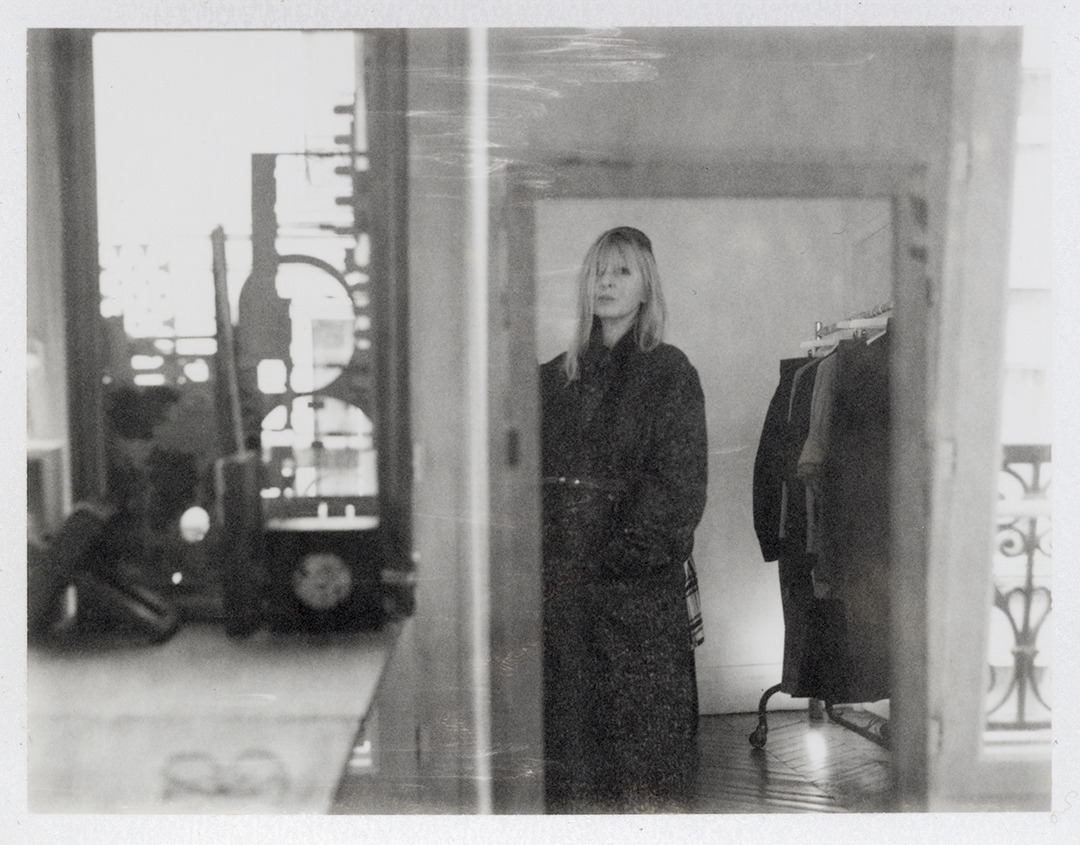
Though she was often described as the most elusive of the “Antwerp Six”, Marina Yee’s influence remains deeply felt. She exemplified an alternative model of authorship, one based not on visibility, but on inquiry. Her garments, like her teaching, urged reflection on how fashion participates in the wider cultural and ecological landscape.
Marina Yee’s passing marks the loss of a designer who chose thought over momentum, dialogue over production. Her legacy endures not through accumulation but through the questions she left behind: What is the life of a garment after its first wear? What responsibilities accompany creation? How can design preserve intimacy in an era of constant renewal?
In remembering her, we are reminded that fashion’s most enduring gestures are often its most restrained.
Photos: Alex Conu @alexconustudio | alexconu.com and MoMu
Alex Conu’s images were taken using Fujifilm FP-3000B in March 2024 in Paris.