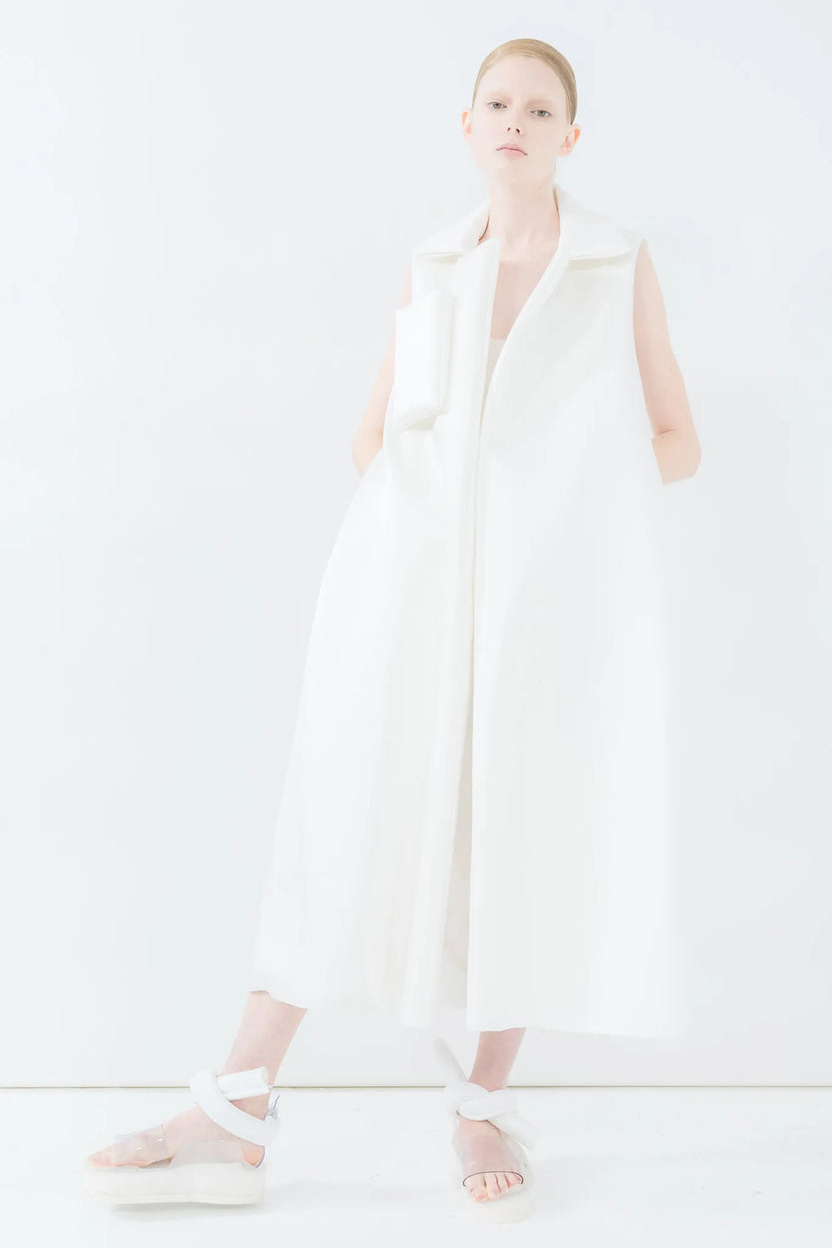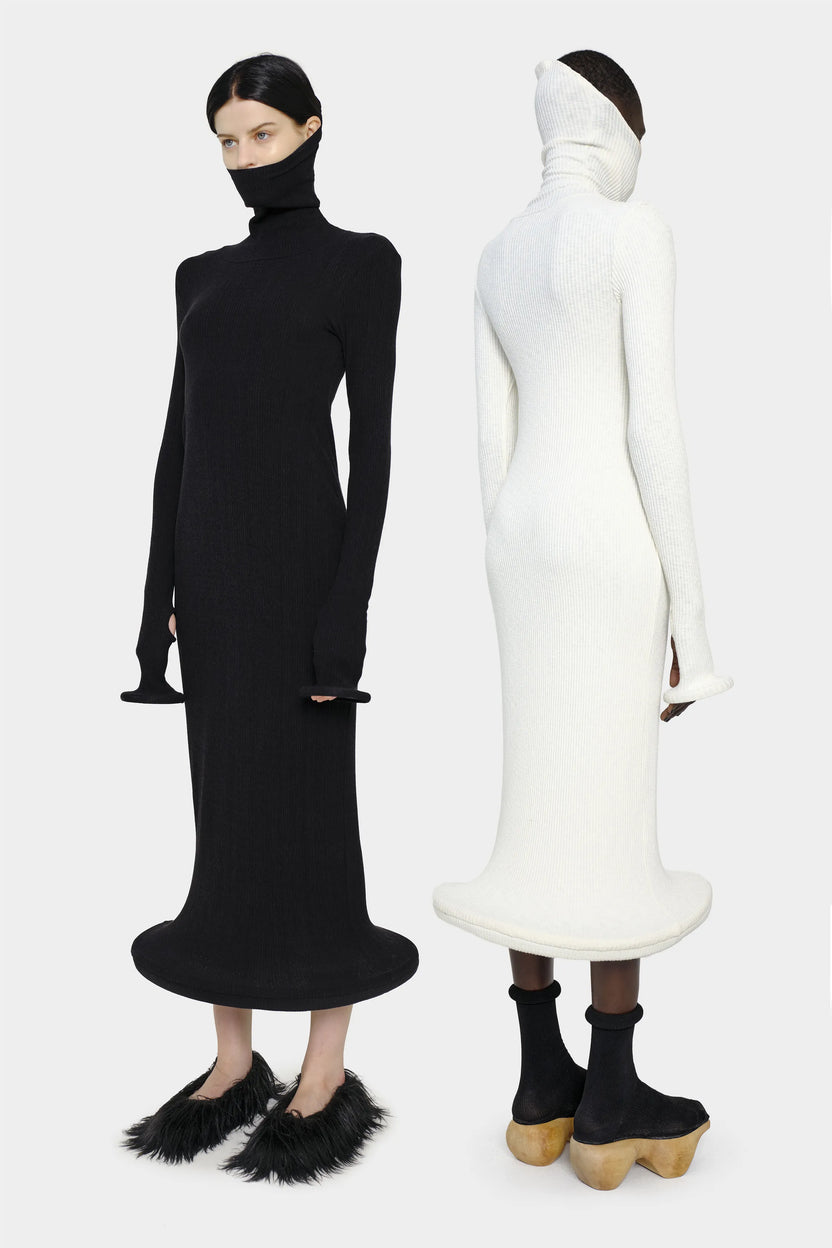
German-born designer Melitta Baumeister established her eponymous label in New York in 2013, positioning herself with an approach that treated clothing as a study of structure rather than surface. She graduated from Parsons’s MFA in Fashion Design, and soon after presented her work for the first time during New York Fashion Week. Baumeister entered the scene with a design vocabulary defined by volume, innovative materials, and a futuristic, sculptural approach. Dover Street Market quickly carried the debut collection, an early endorsement that gave the brand immediate credibility.
Institutional recognition arrived just as quickly. She was selected for Vogue’s Talents program in Dubai in 2015, and the following year her work appeared in the Cooper Hewitt’s “Beauty: Design Triennial,” placing her in dialogue with practitioners across disciplines. That same year she was shortlisted for the LVMH Prize, marking her as one of the few independent designers whose work was seen as both conceptually rigorous and commercially viable. These milestones established the foundation for a practice that has since been defined by its consistency: a focus on volume, construction, and the way garments can occupy space without defaulting to fashion’s more familiar formulas.
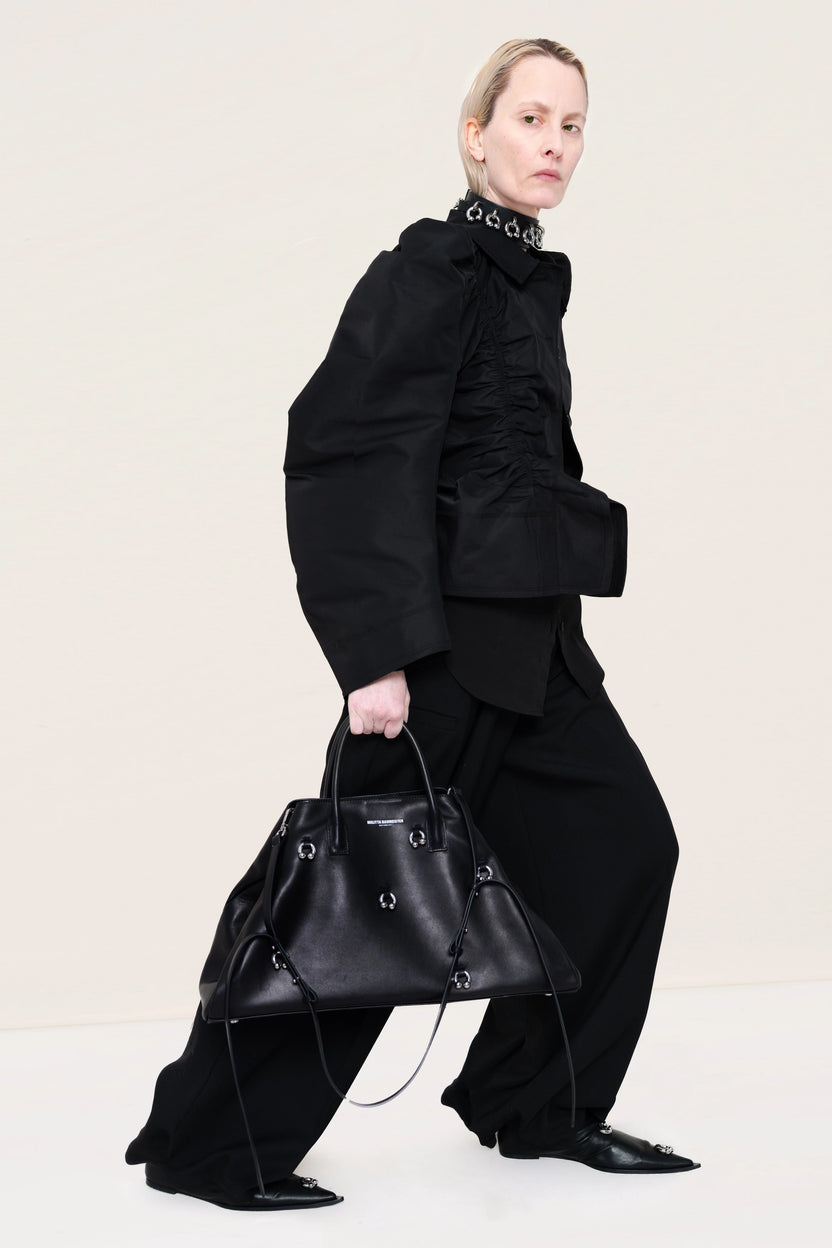
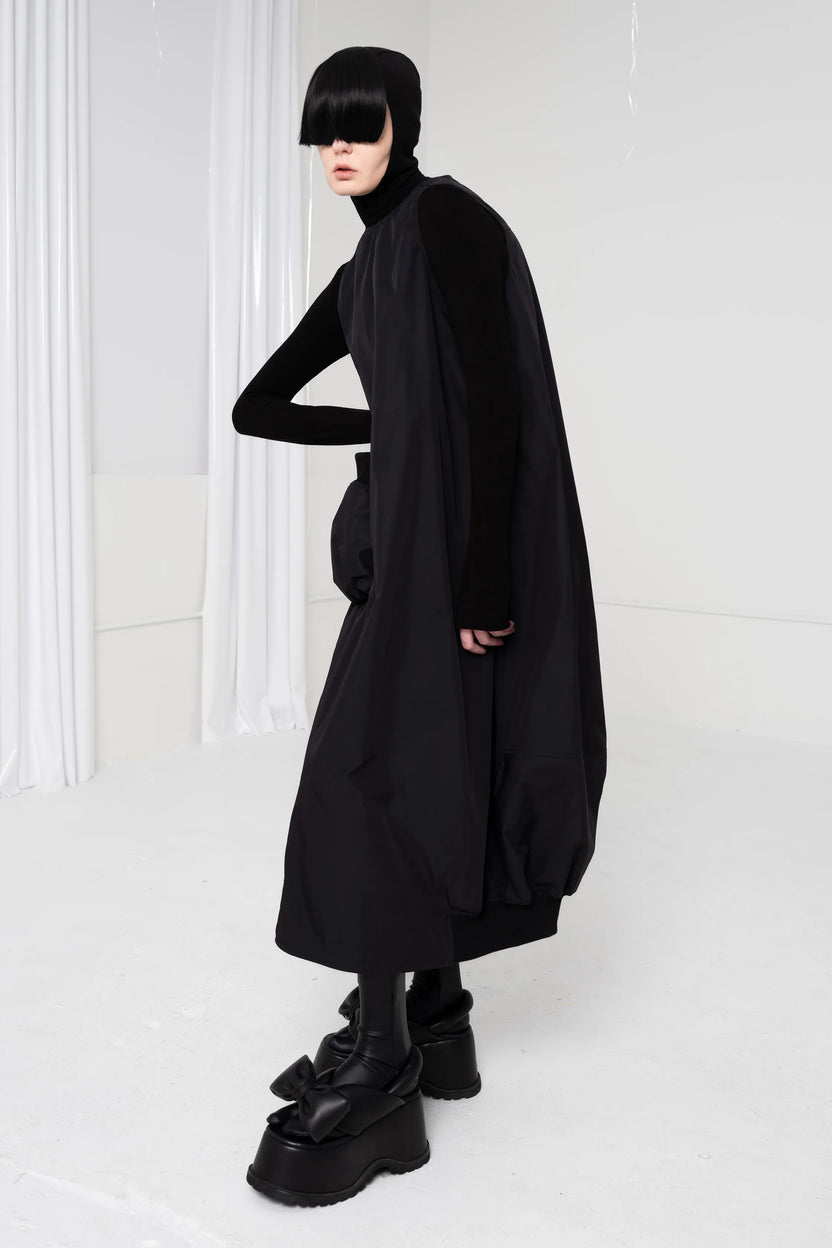
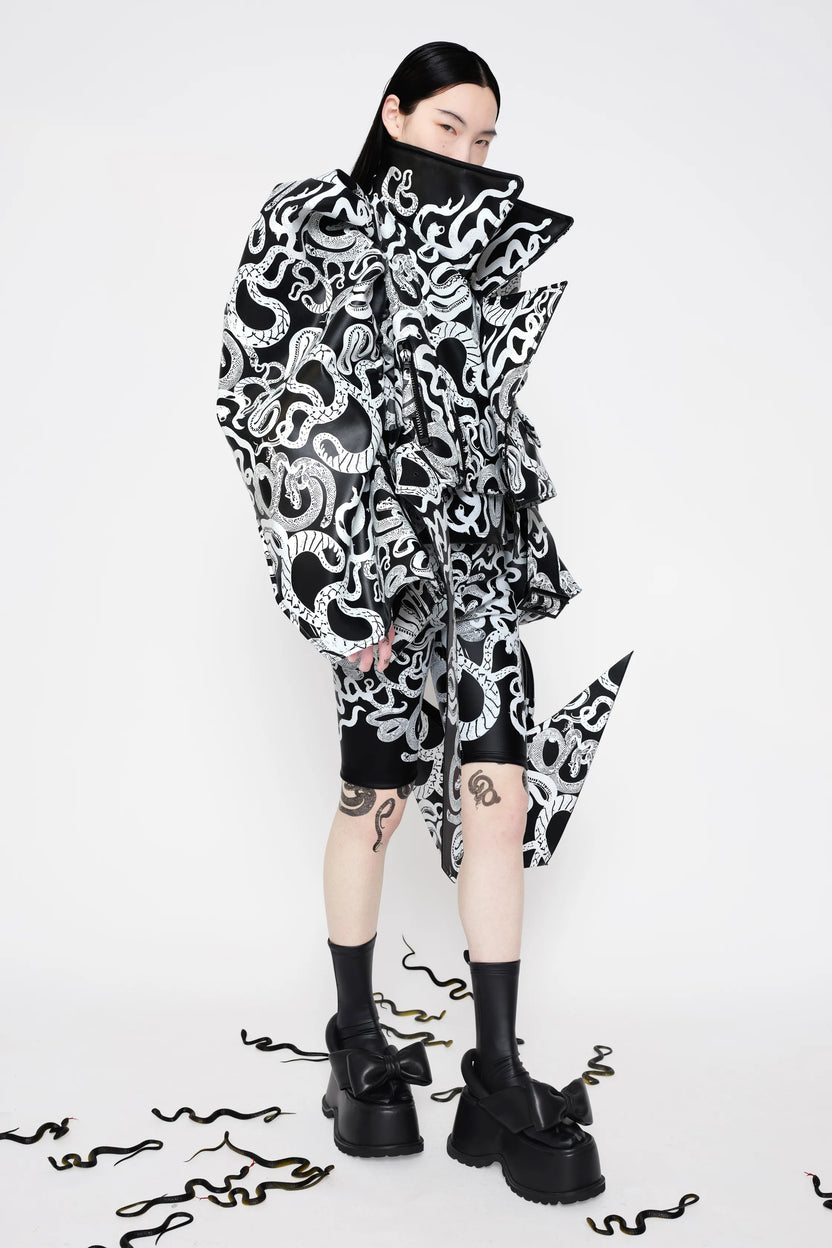
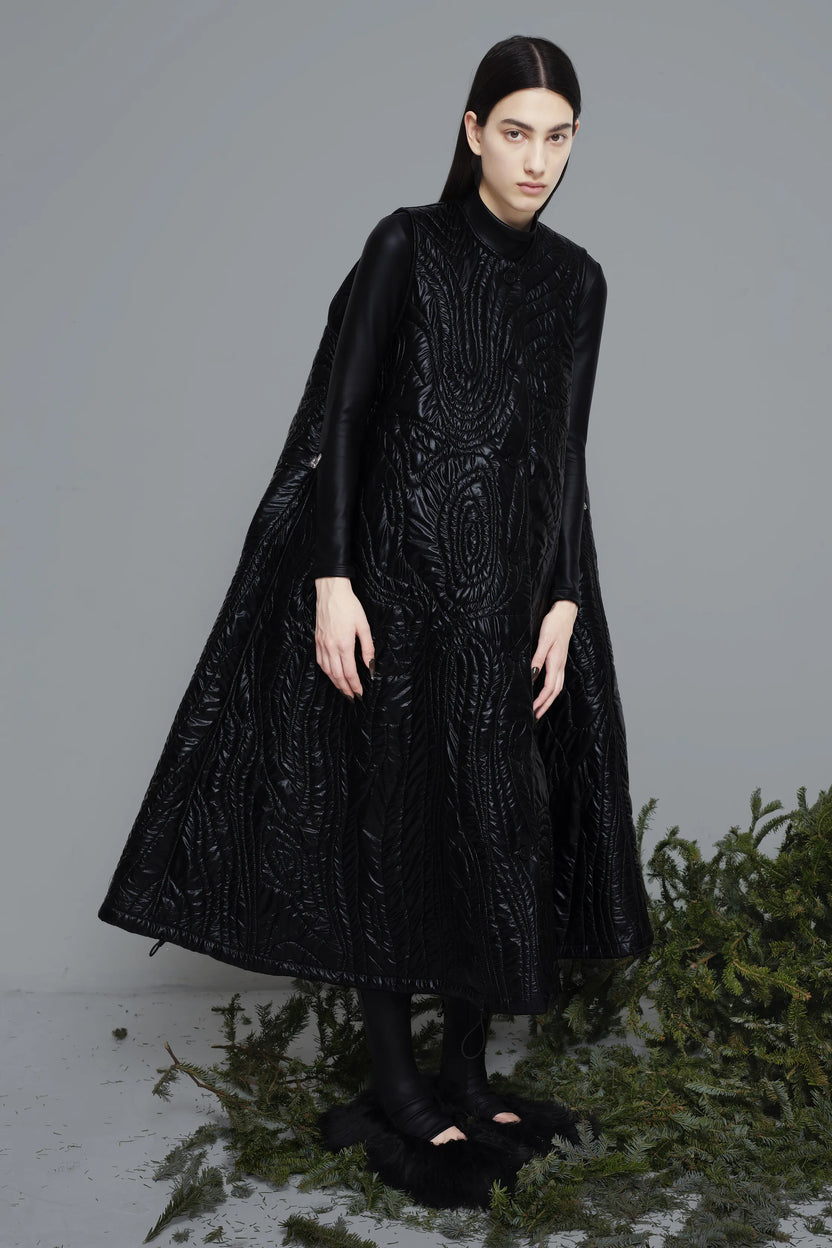
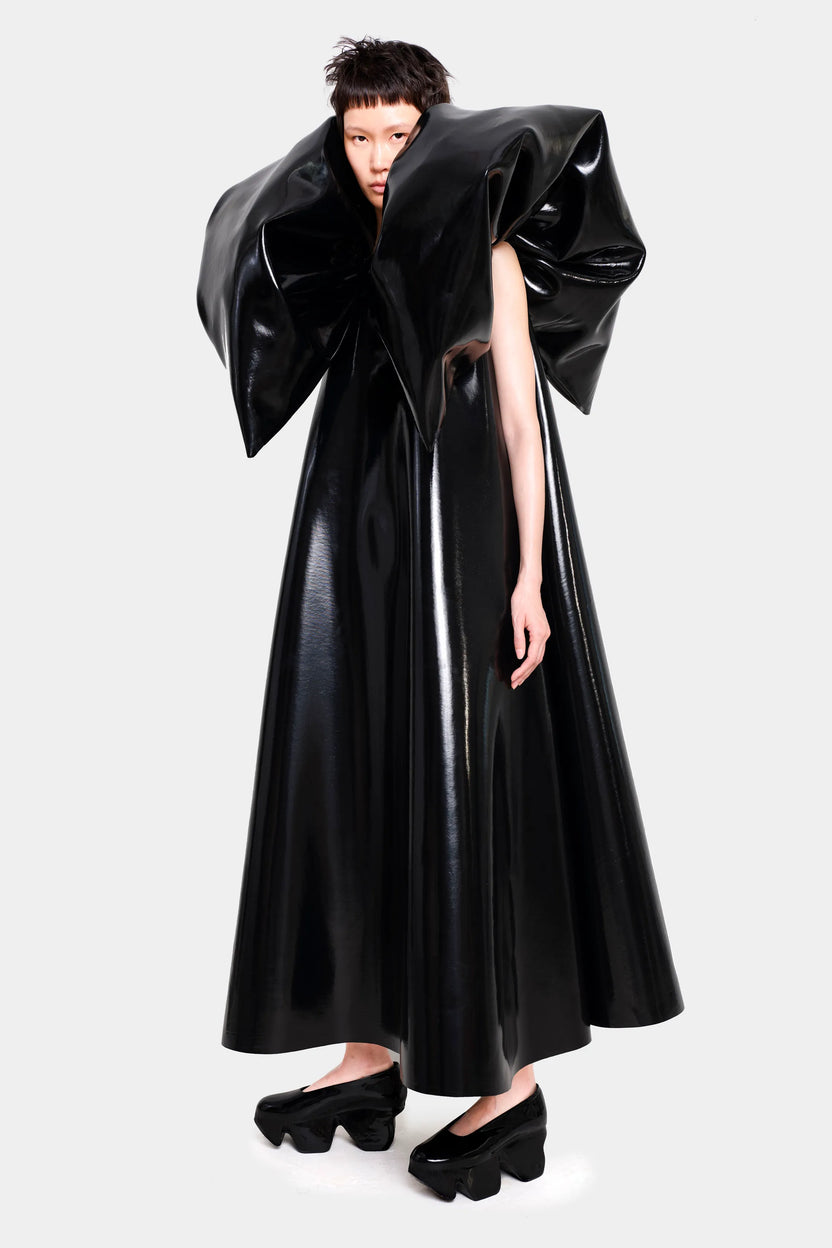
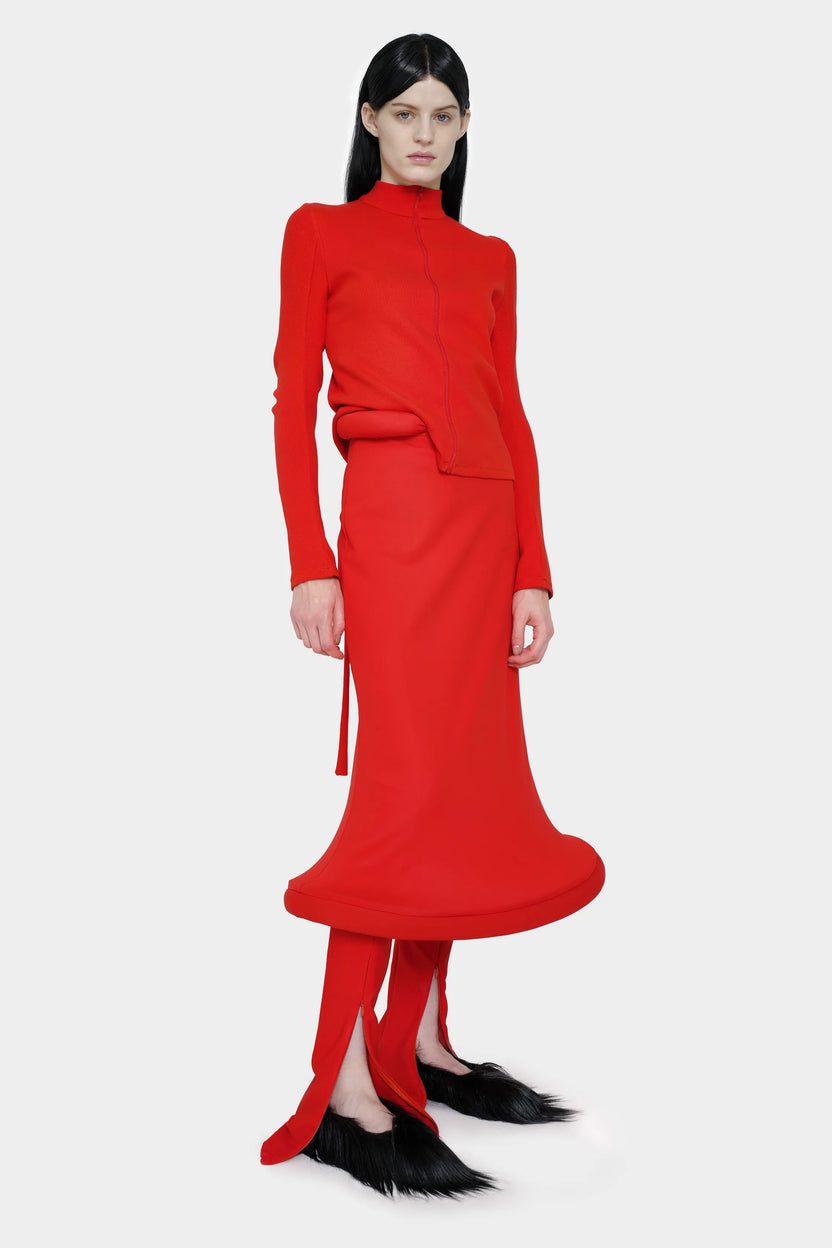
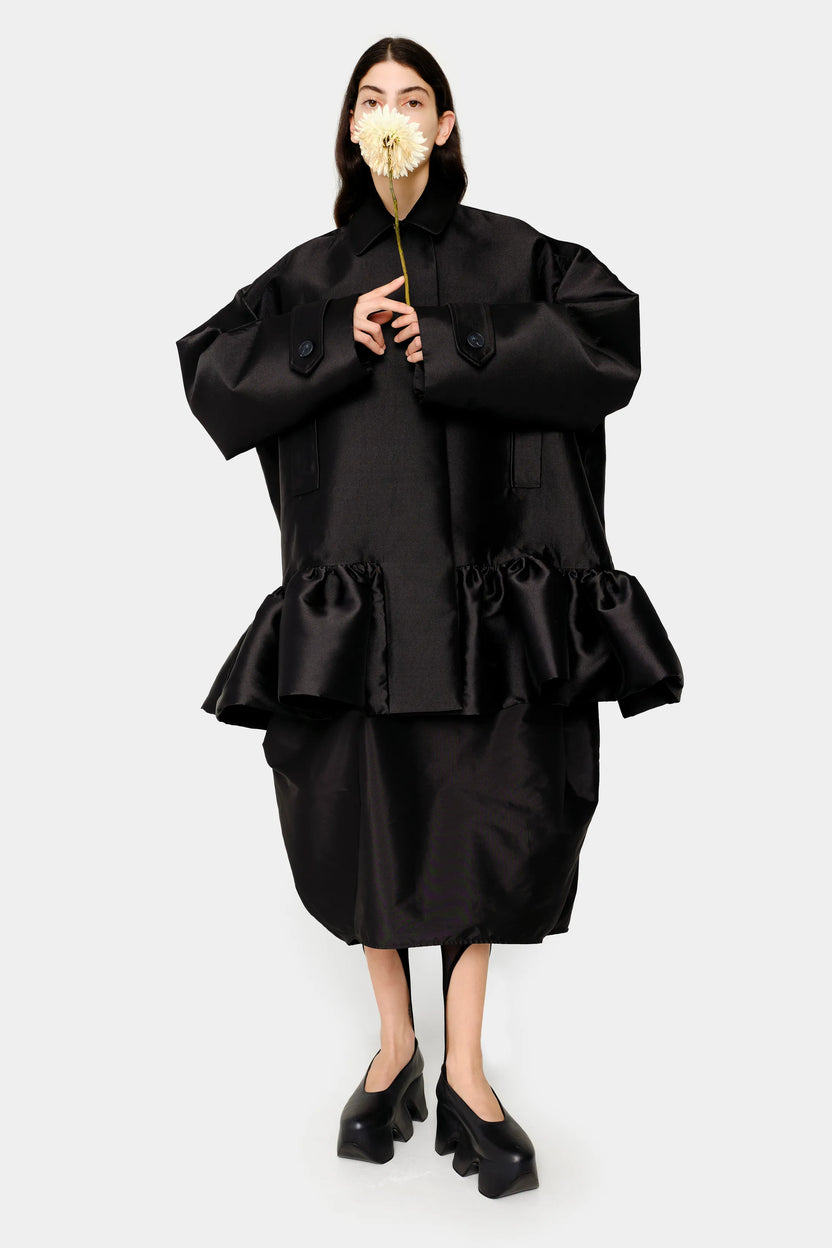
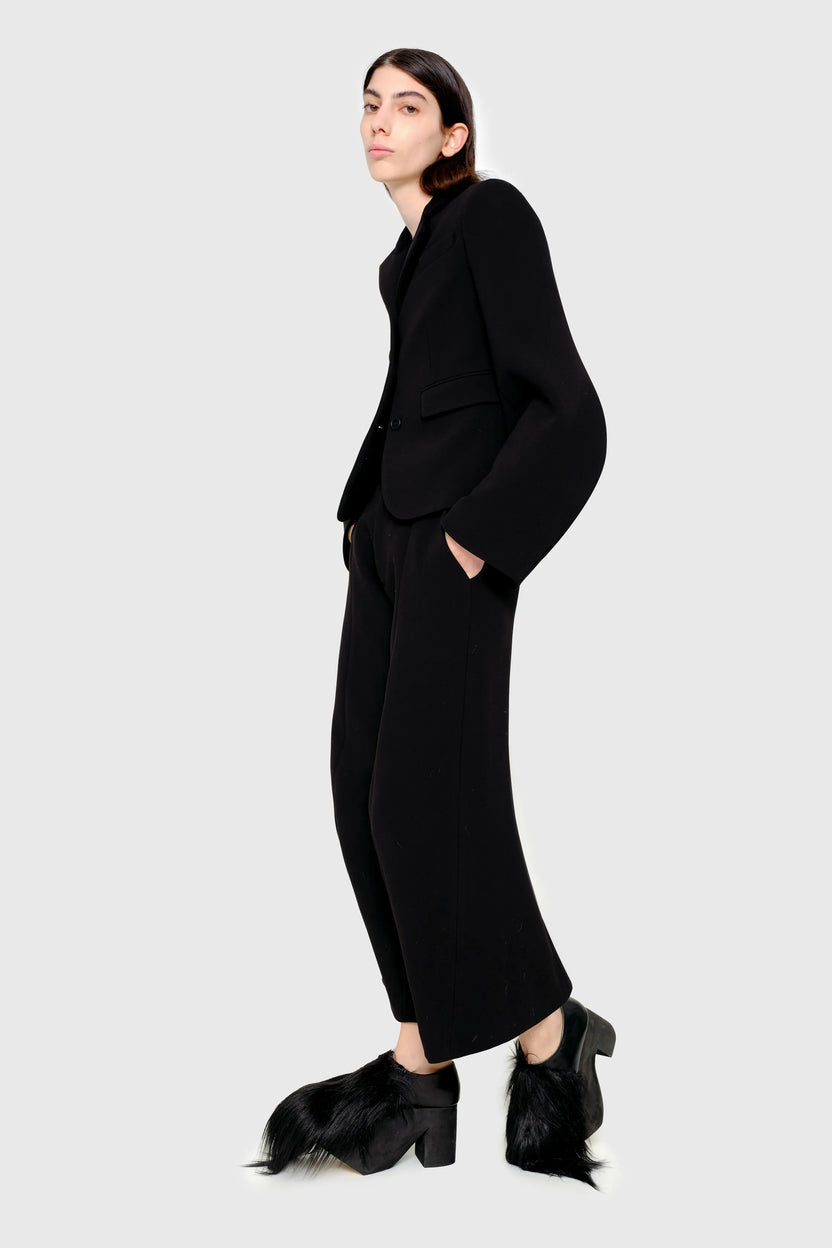
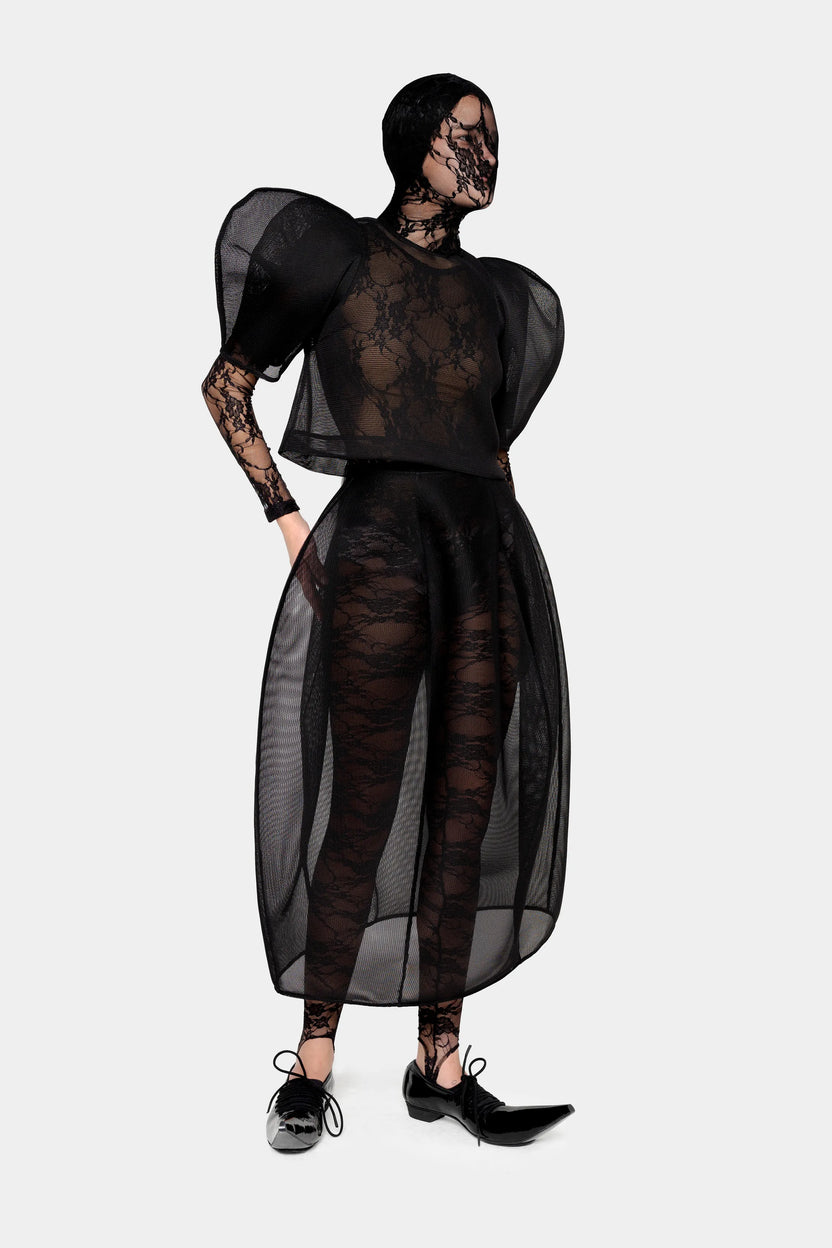
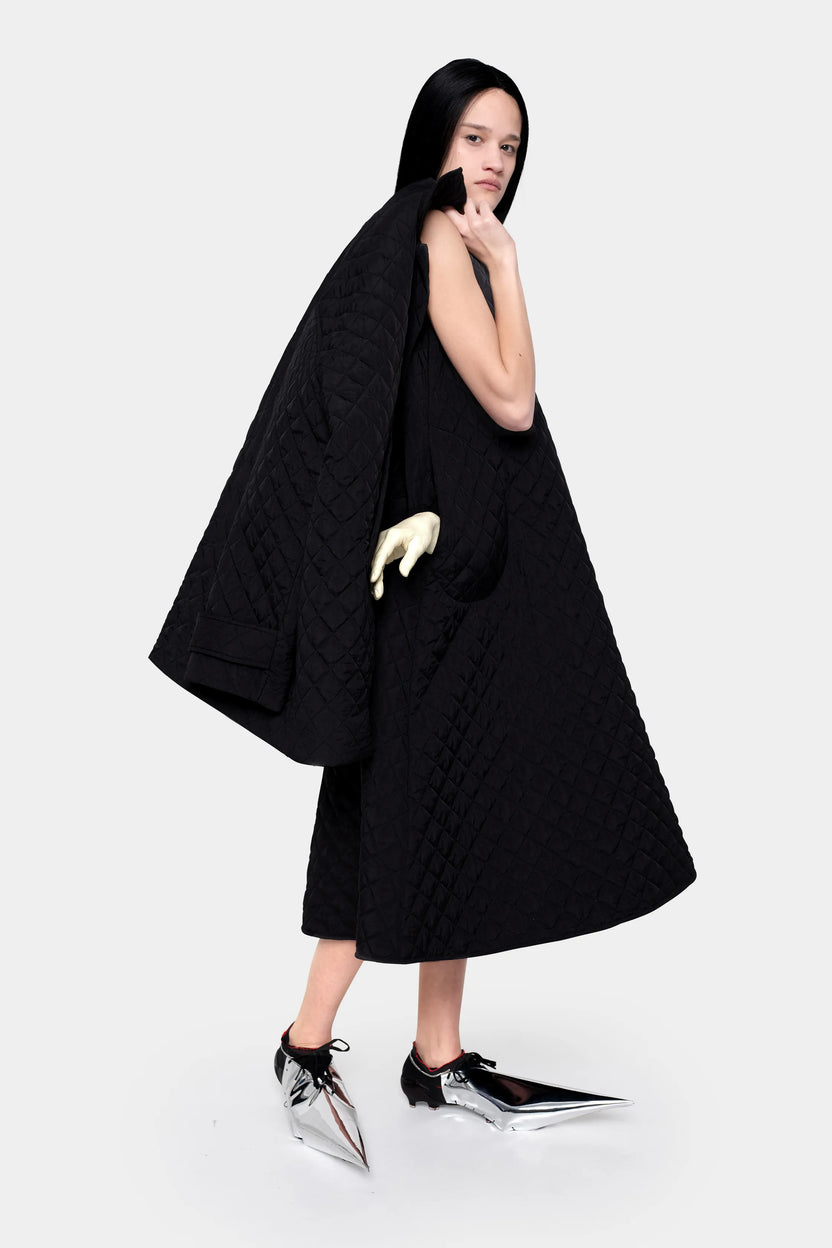
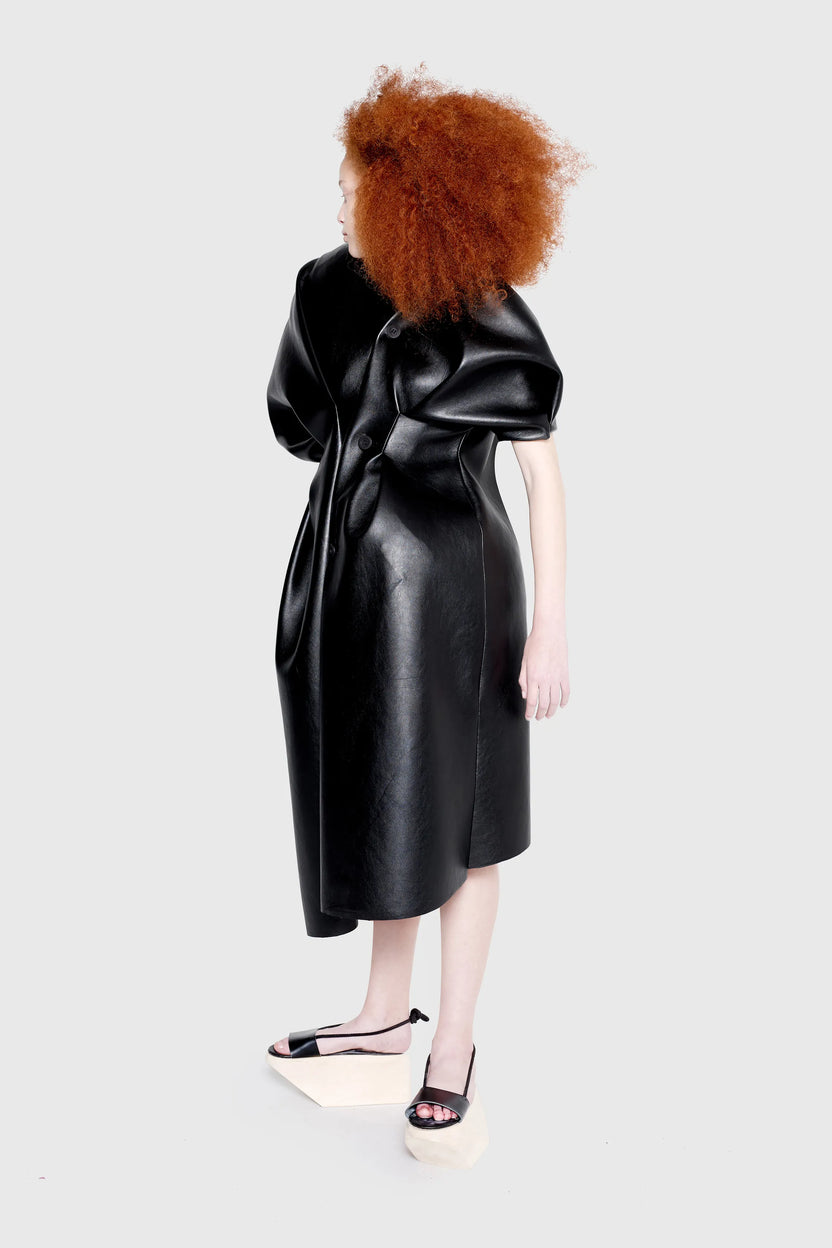
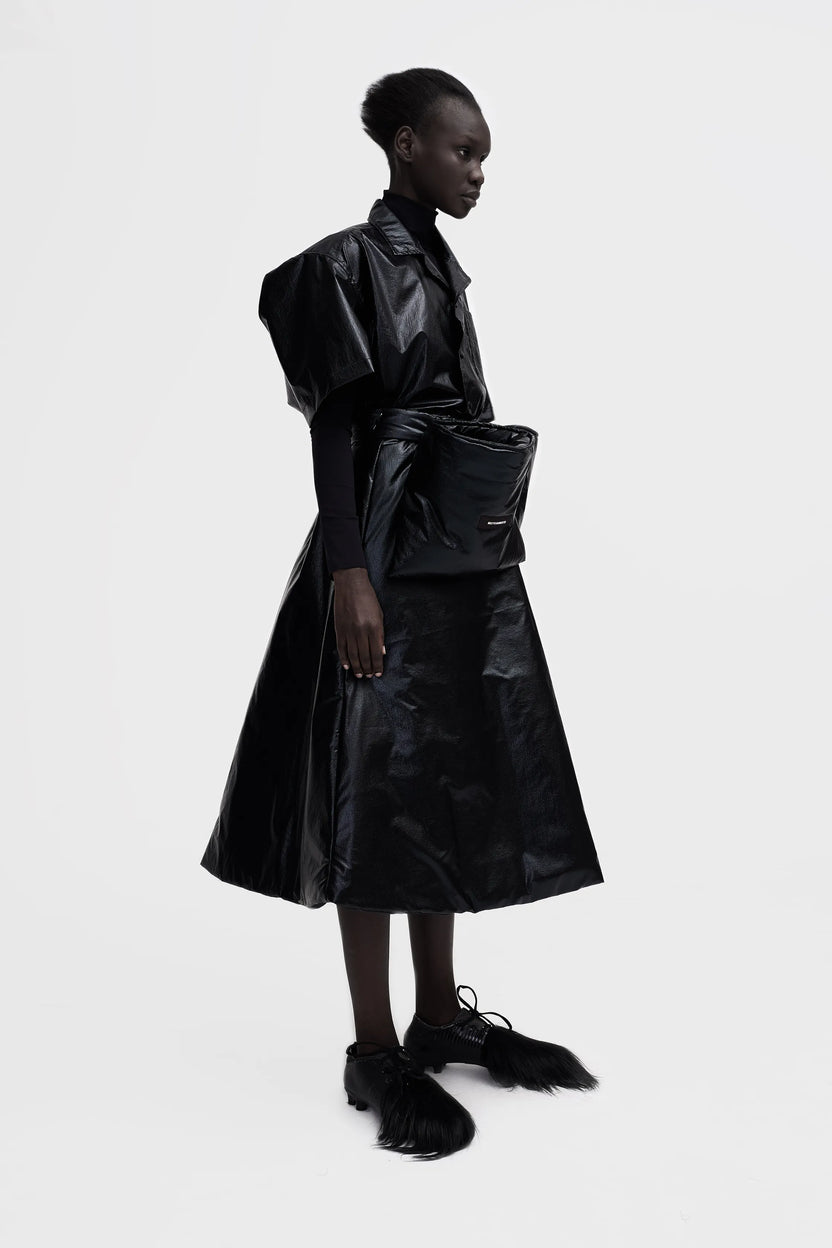
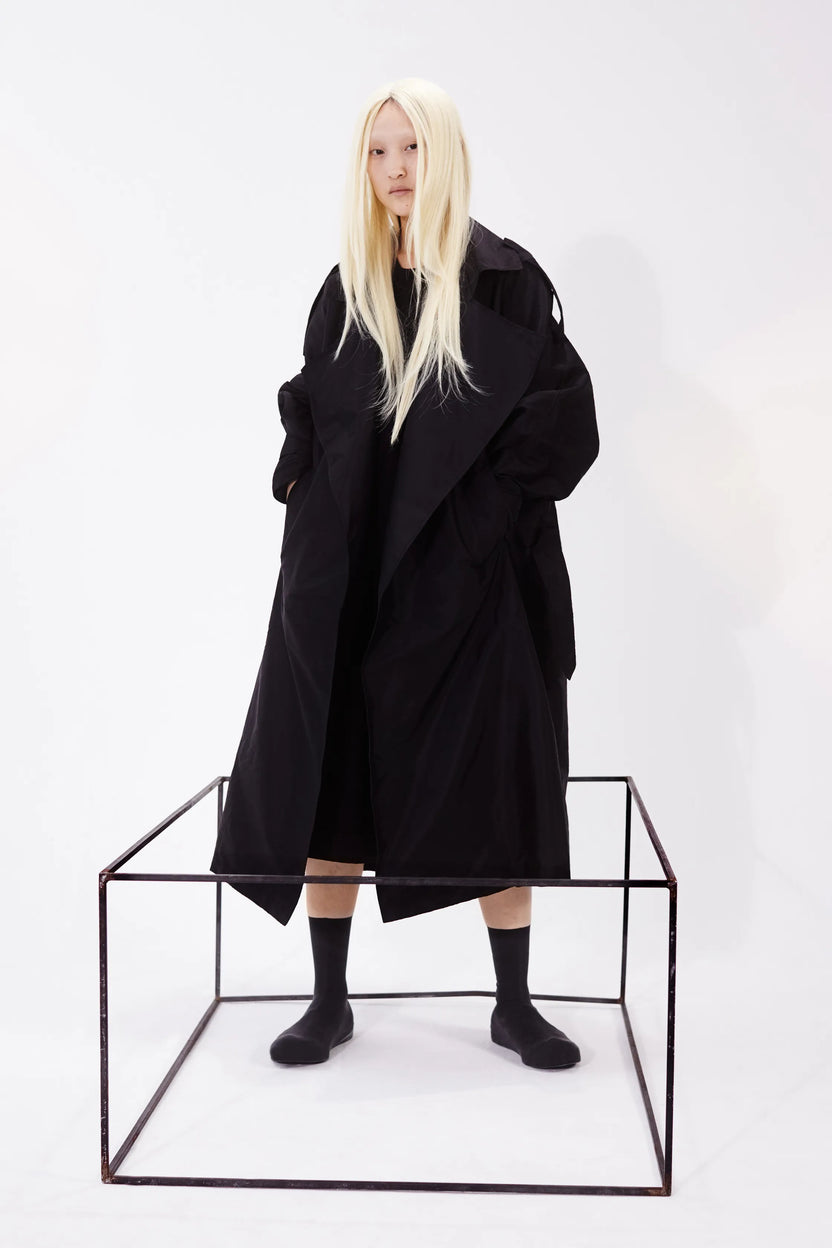
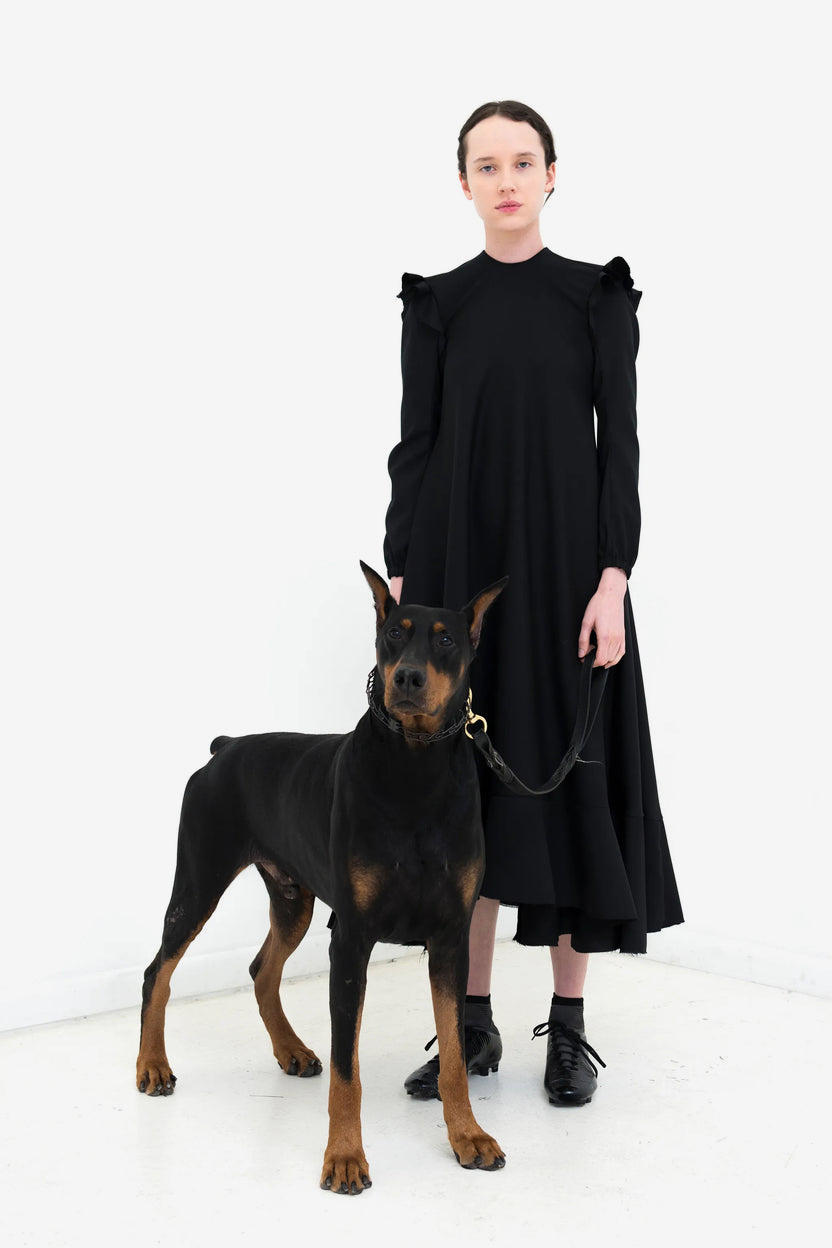
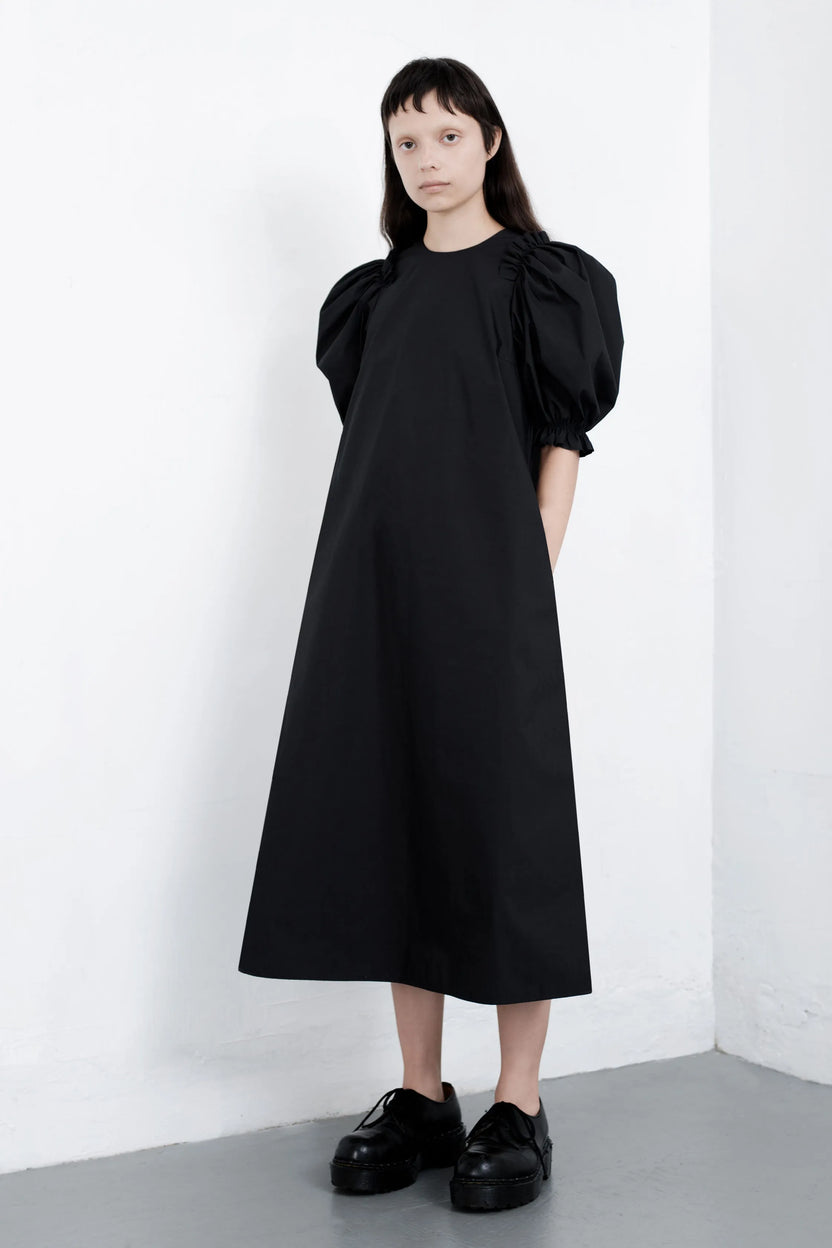
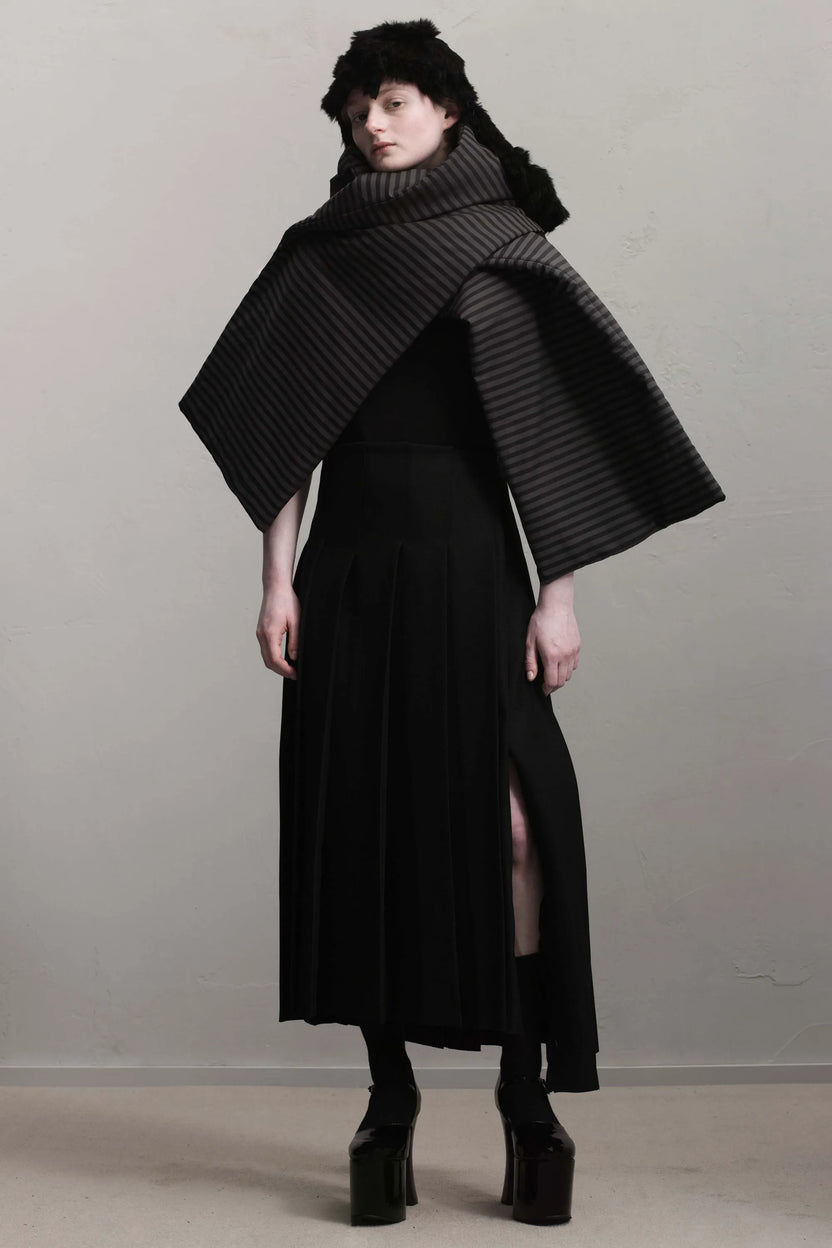
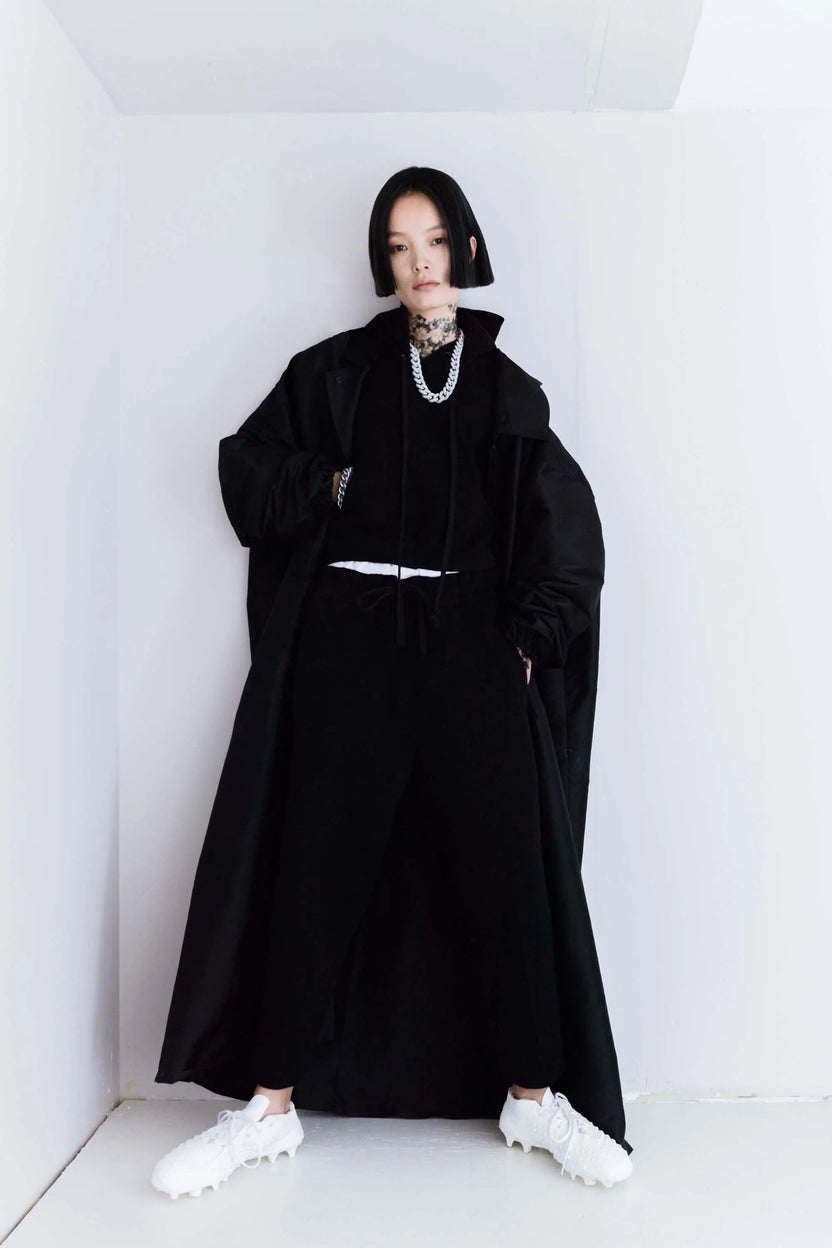
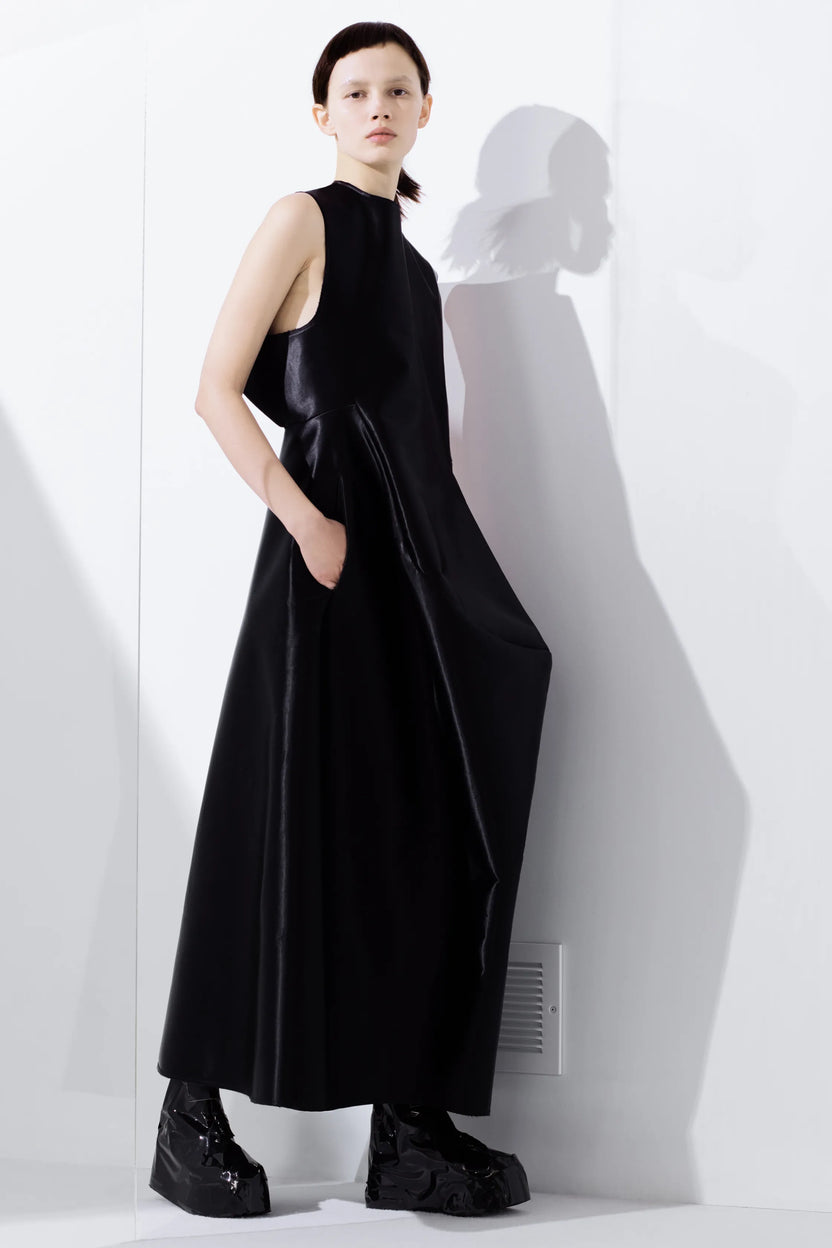
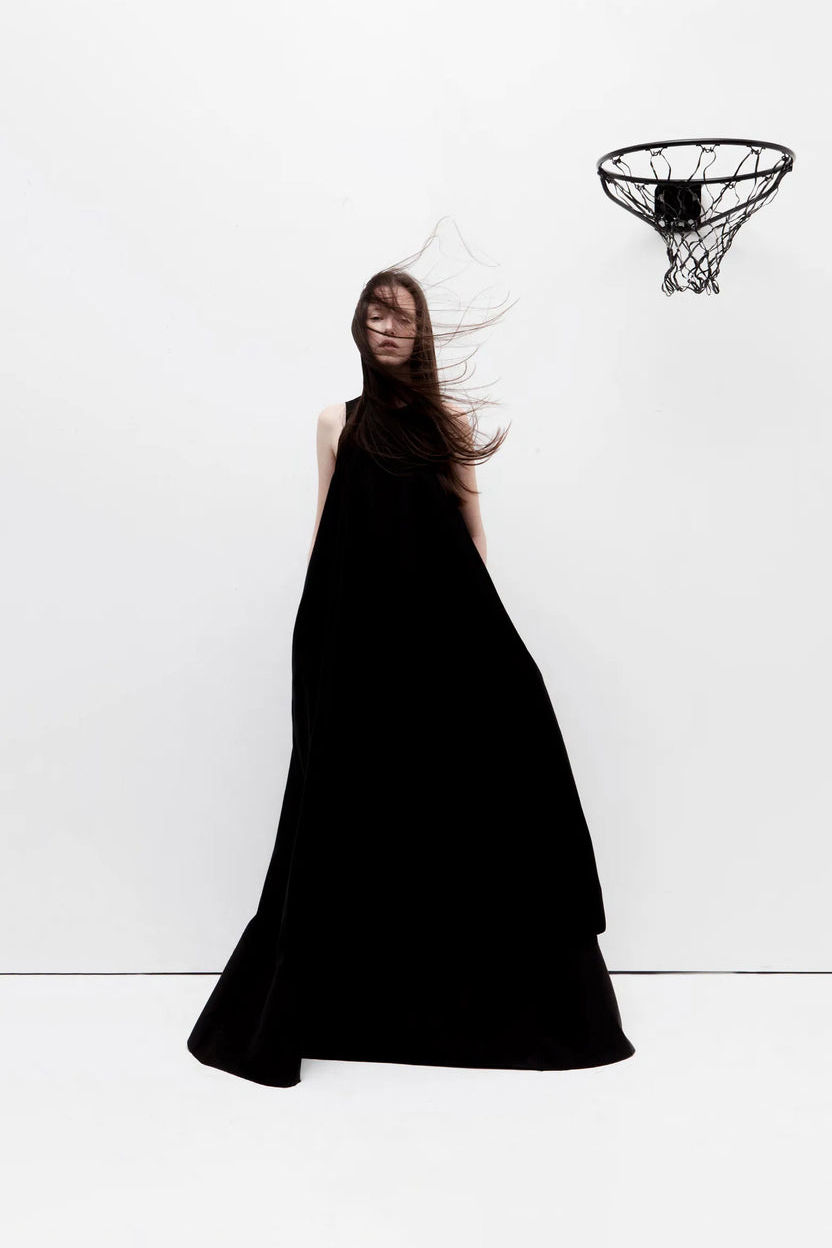
Baumeister’s silhouettes are distinctive for their architectural strength and volume, often produced through foams, bonded jerseys, and other technical processes that allow fabric to stand apart from the body. What might sound abstract resolves into clothes that can be worn: dresses, shirting, accessories and sculpted separates that maintain a distinctive aestehtic without crossing into costume.
In 2017, Baumeister was joined by Polish artist and former car designer Michal Plata, her partner, whose background in advanced automotive design brought a new technical precision to the work. Together they expanded the studio into a practice that is as much about research as it is about clothing, grounding Baumeister’s sculptural language in processes that bridge design, engineering, and craft.

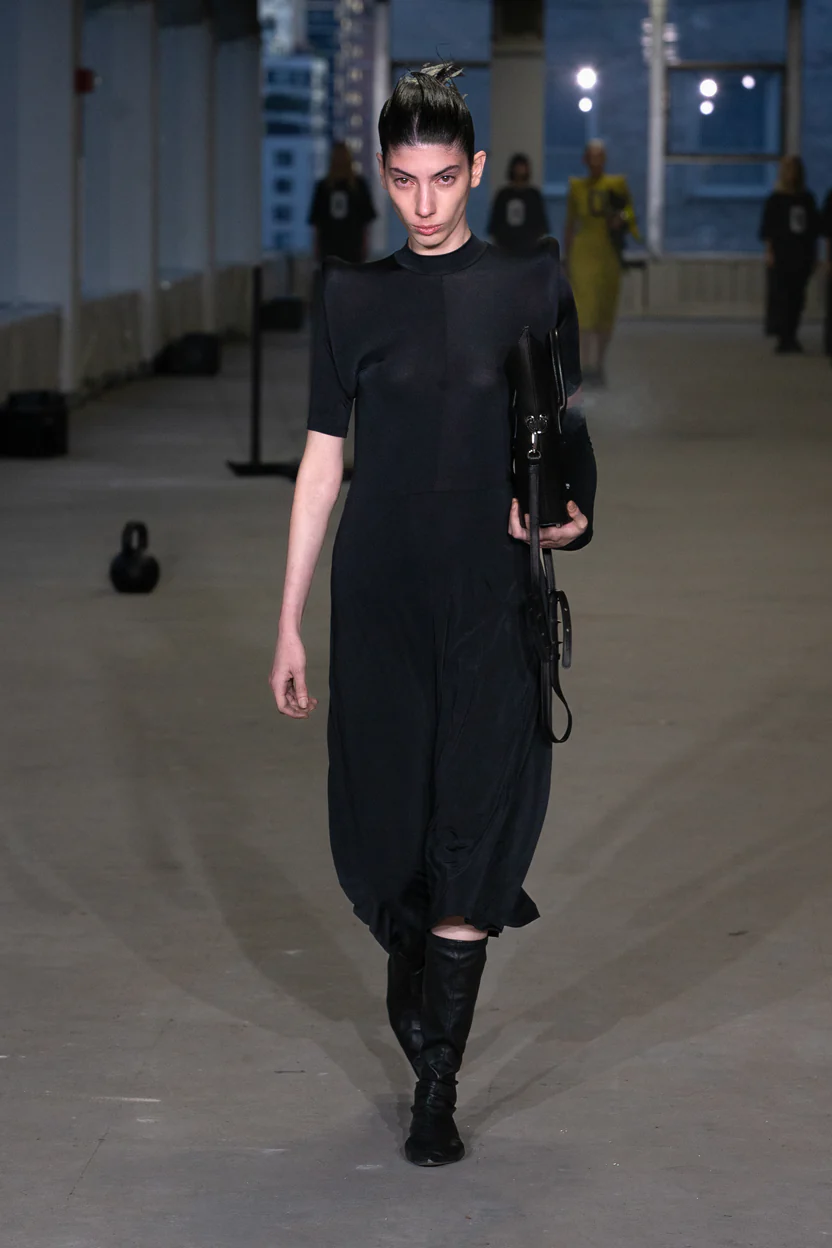
Her Spring/Summer 2025 presentation, one of the rare occasions she has opted for a full runway format in New York, made the philosophy legible in motion. Models and contemporary dancers moved among weights, a nod to the physical resistance inherent in her clothes, while Paralympian Scout Bassett opened the show in a gesture of strength and inclusivity. The collection folded athletic tropes into Baumeister’s sculptural lexicon: tunics with alien-like necklines, layered jerseys over bike shorts, and accessories that looked as though they had been engineered for sport rather than decoration. Rapper Offset closed the show in a monumental leather jacket, a reminder that Baumeister’s language of volume has a cultural resonance beyond the fashion niche.
Despite these moments of performance, Baumeister has often resisted the conventional runway, preferring showroom presentations in Paris or direct-to-consumer channels that allow for more controlled communication of her ideas. The brand’s production remains rooted in New York, with pieces developed in-house and distributed selectively, maintaining an economy of scale that supports experimentation rather than dilution. That approach underscores the brand’s positioning: less about seasonal novelty, more about deepening a sustained formal vocabulary.
Recognition has followed the consistency. In 2023, Baumeister received the CFDA/Vogue Fashion Fund, and in 2025 she was awarded the Cooper Hewitt National Design Award in Fashion Design. Both distinctions serve less as turning points than as affirmations of what has been evident from the start: this is a designer committed to method, not noise.
What makes Baumeister’s contribution resonate is her refusal to compromise the design language she established over a decade ago. The volumes, the engineered materials, and the sculptural precision remain intact, yet their application has become more versatile, more attuned to everyday life. It is a reminder that the avant-garde doesn’t need to feel distant or inaccessible and can be approachable, playful, and integral to how we experience clothing and the space around us.
Photos: Courtesy of Melitta Baumeister
www.melittabaumeister.com
@melittabaumeister
Gallery