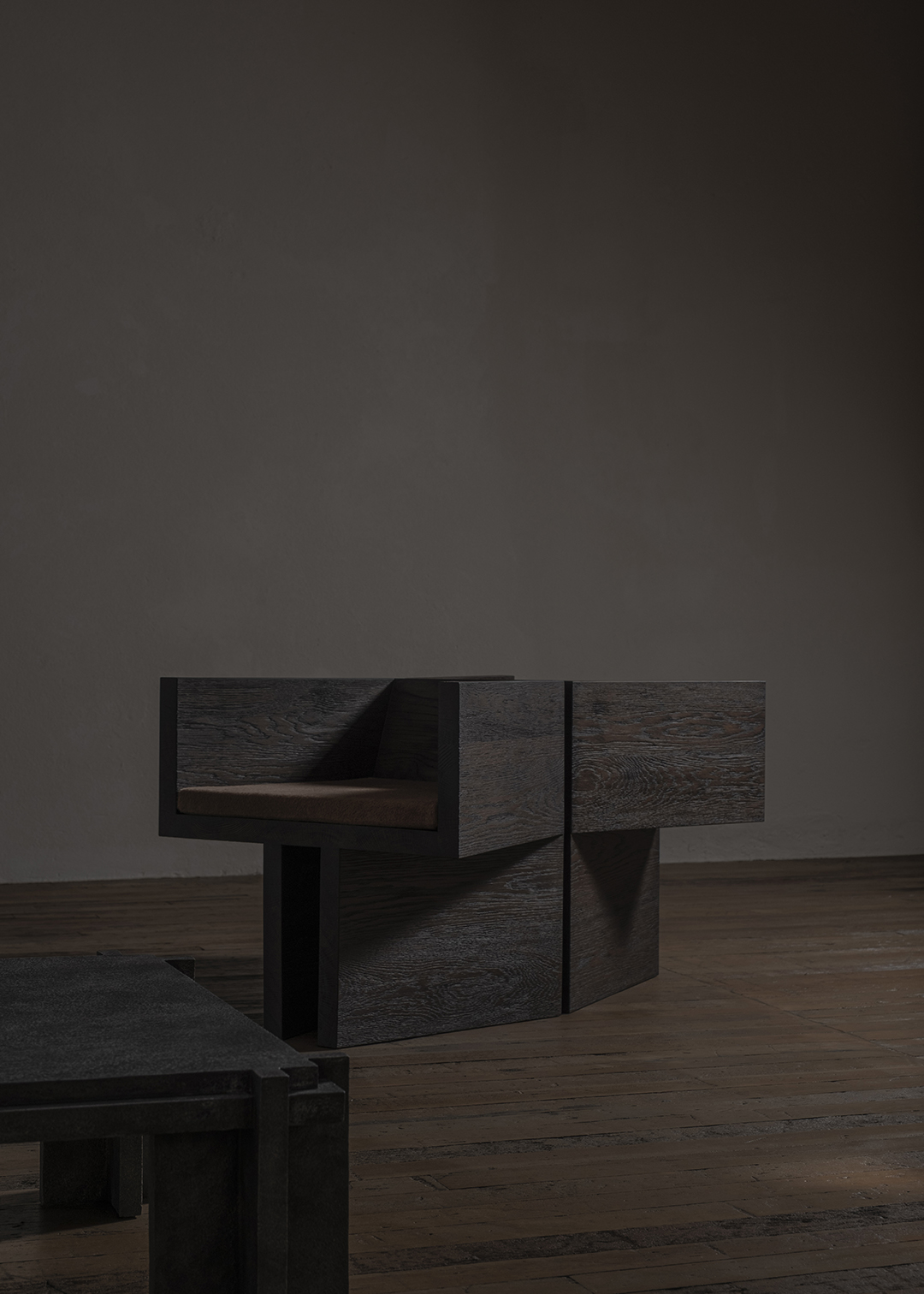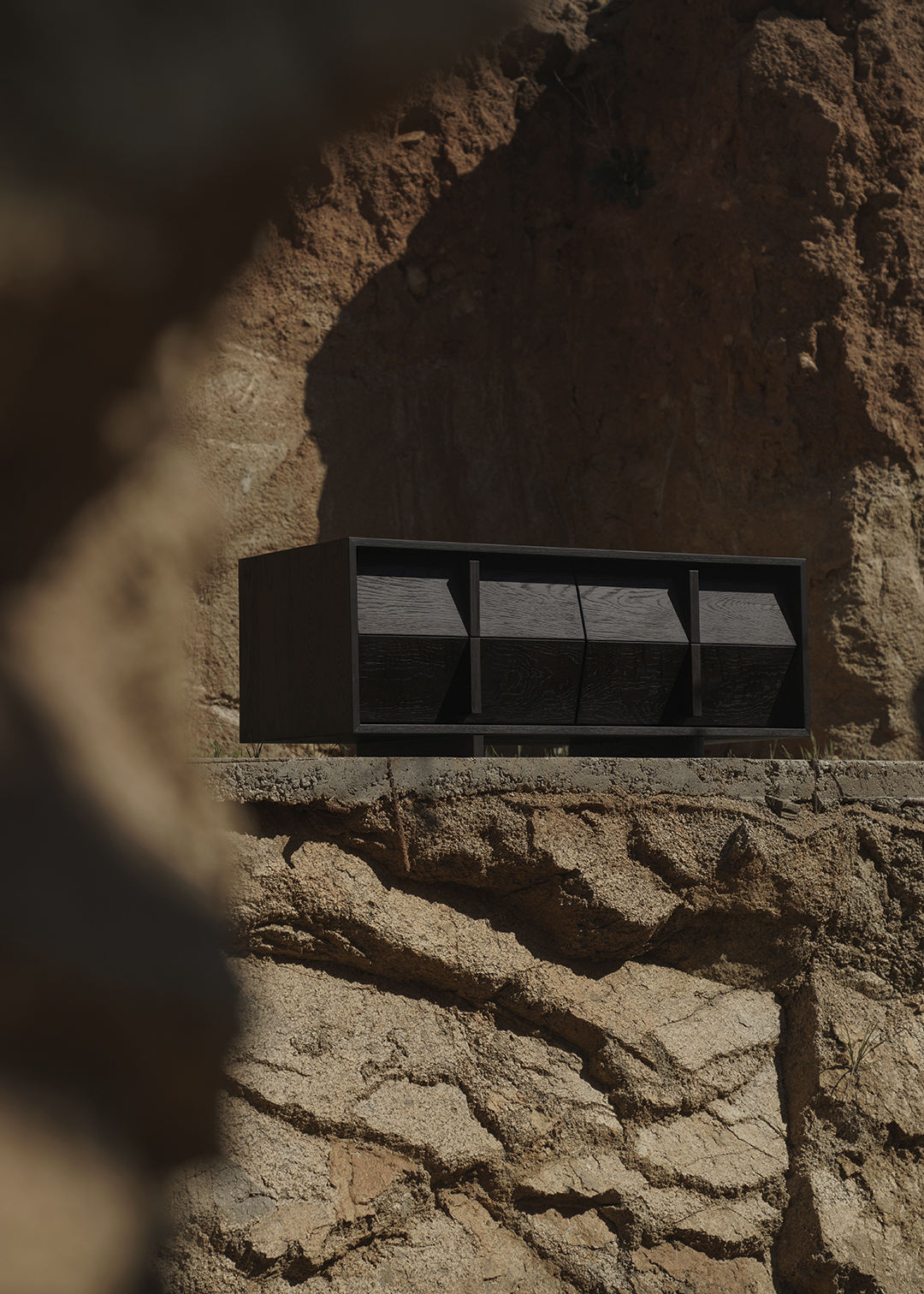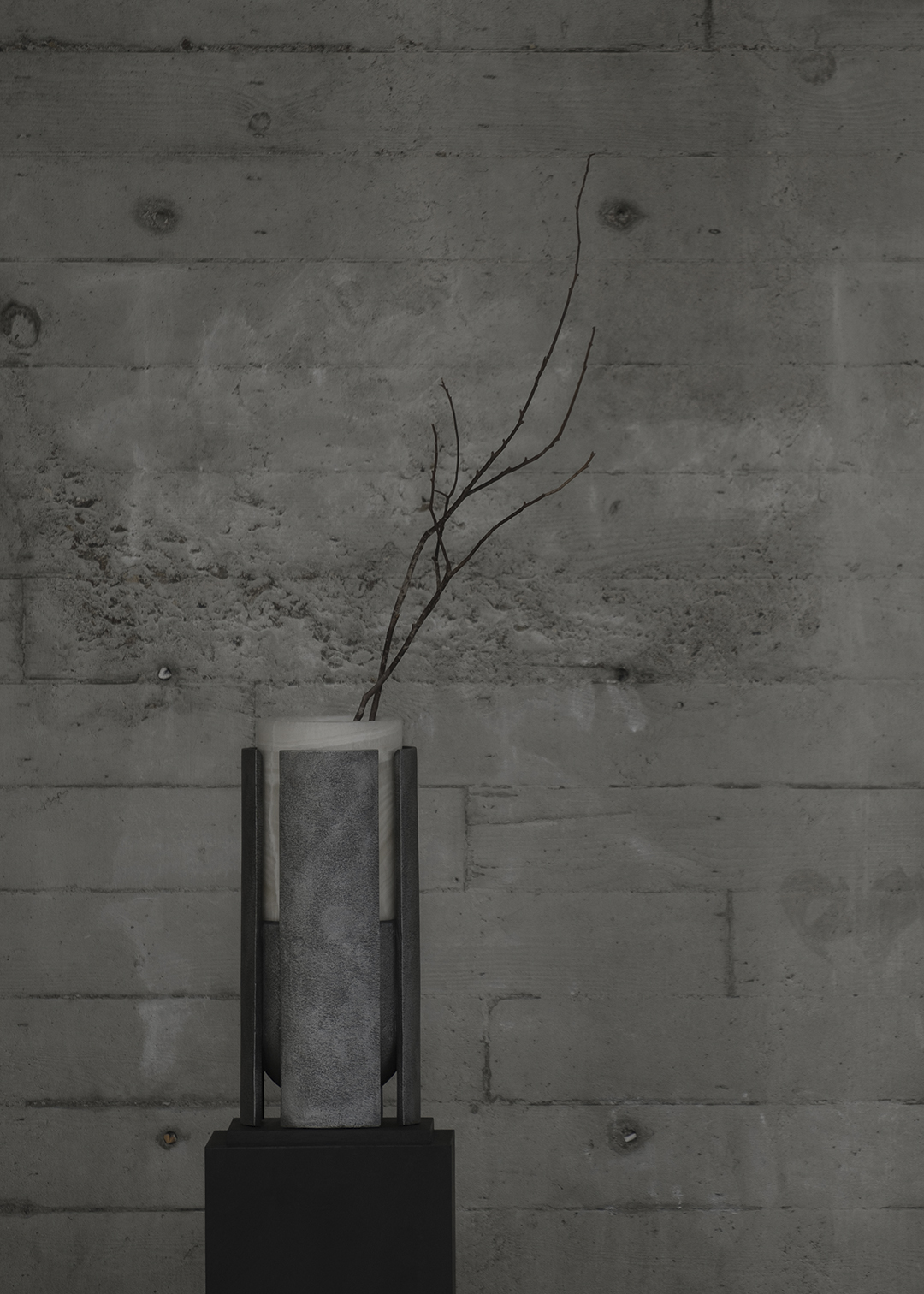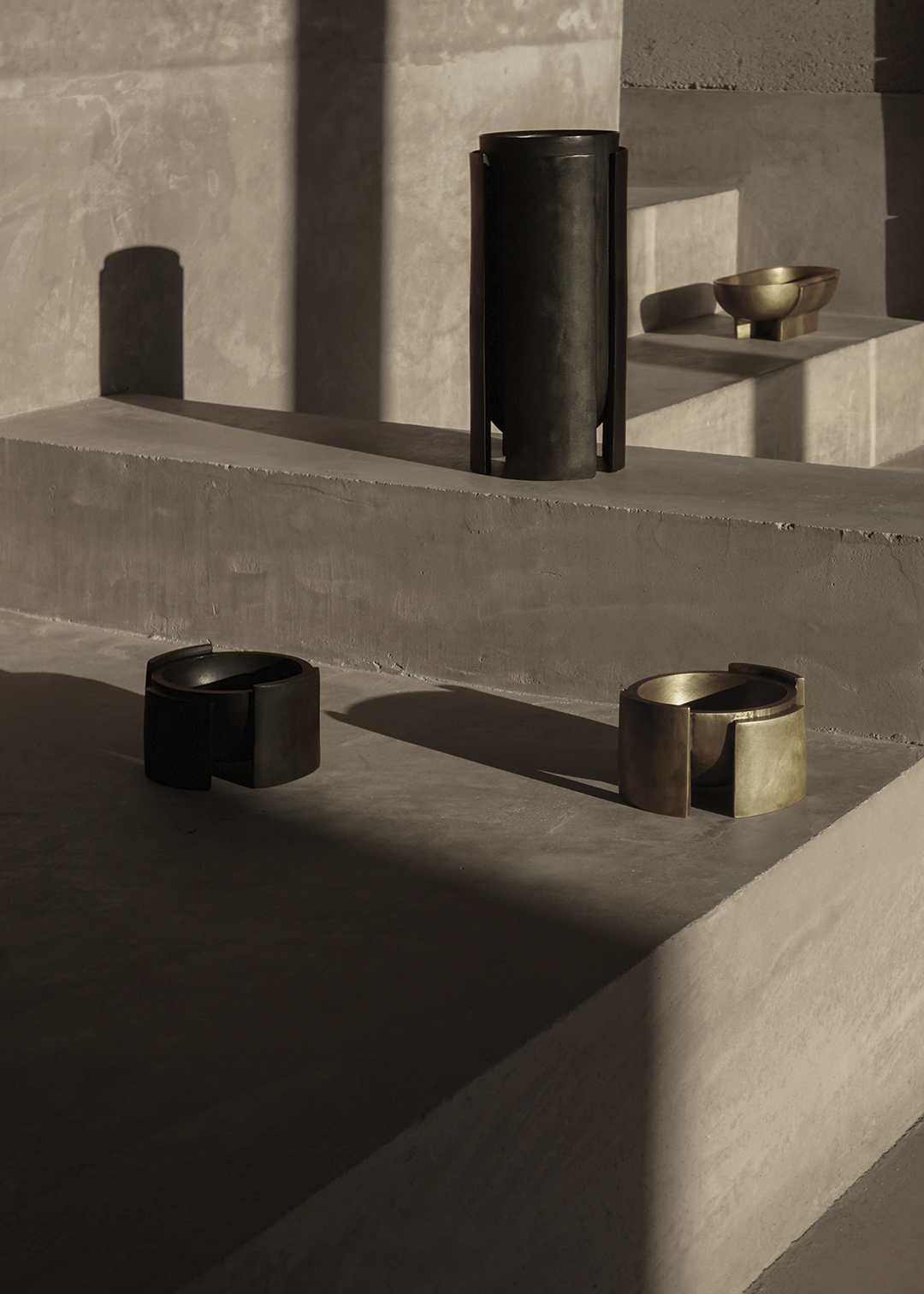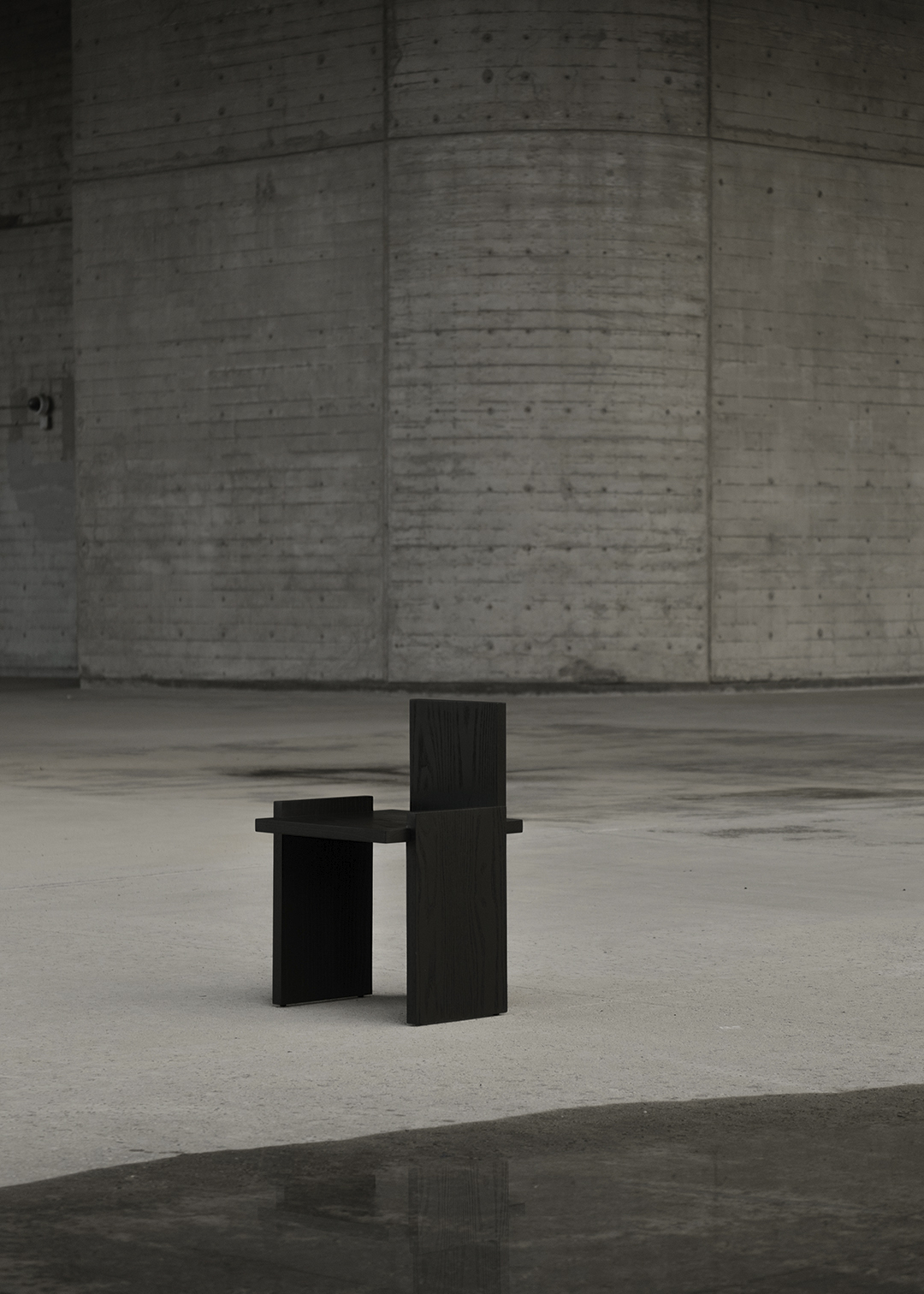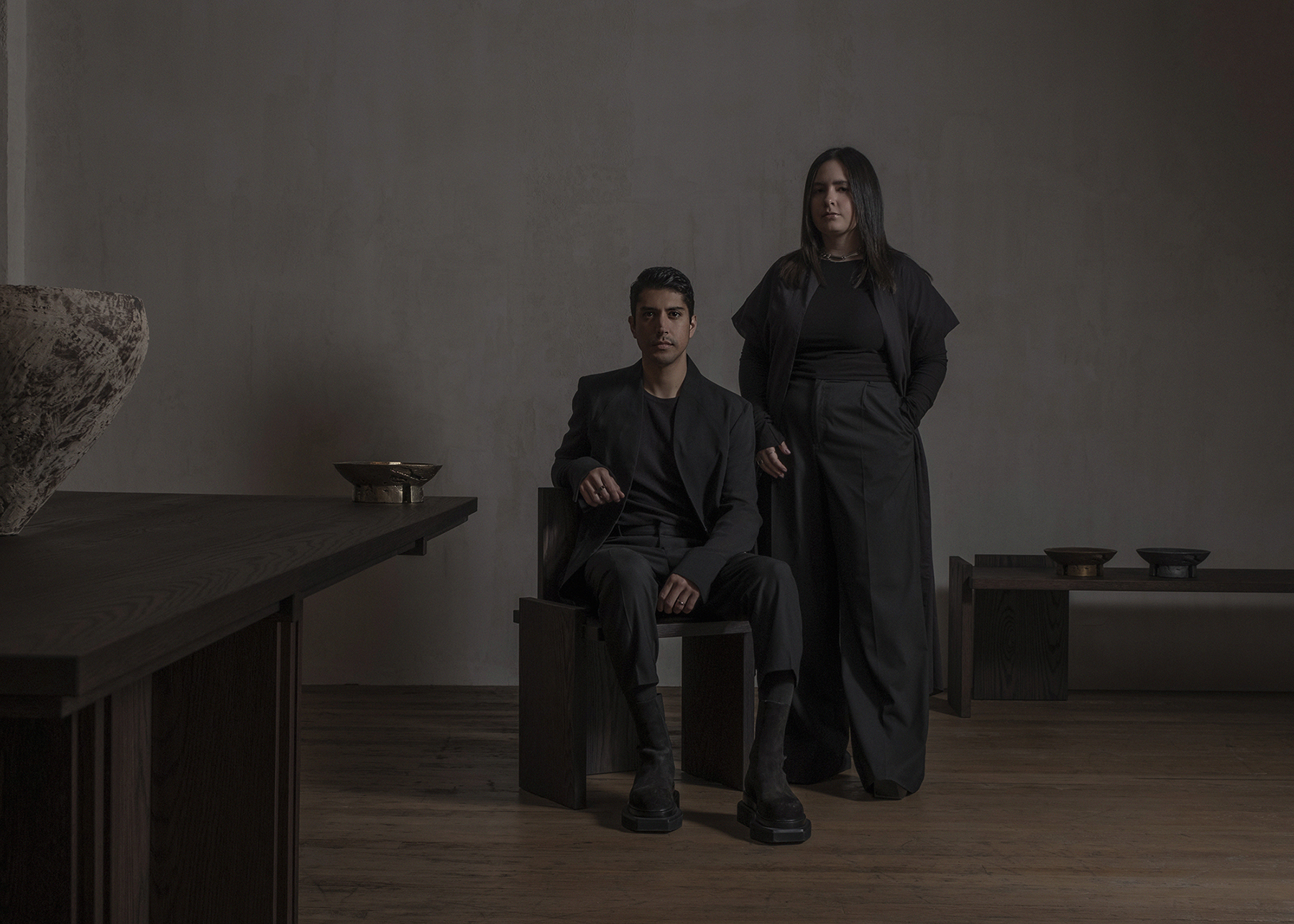
Deceres Studio is a Los Angeles-based design and furniture studio founded in 2020 by Denise Martinez and Jorge Arturo Ibarra. Known for its minimalist, sculptural approach, the studio sits at the intersection of art, architecture, and design.
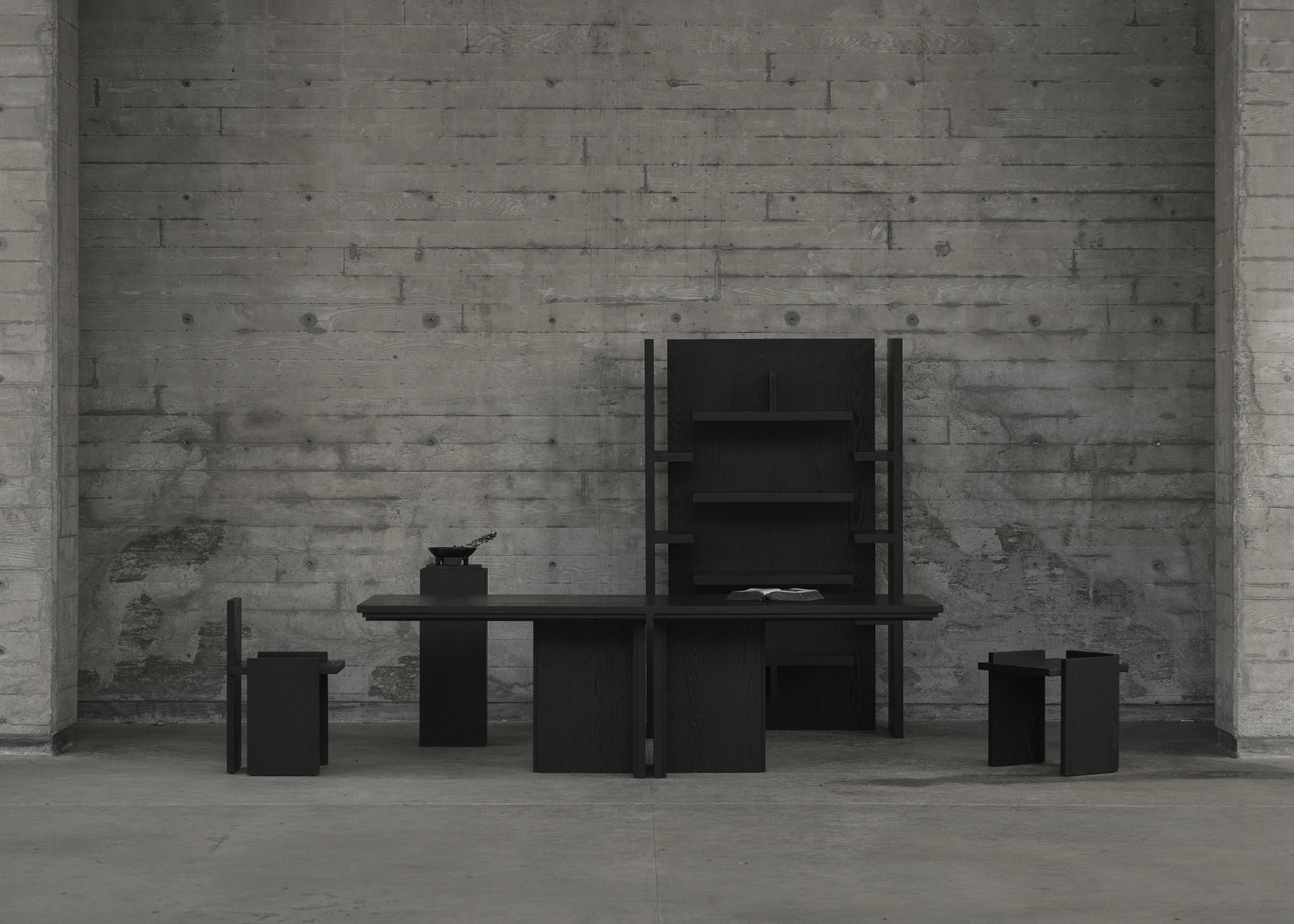
Their work is defined by bold, monolithic forms and severe lines, balancing visual impact with everyday functionality. Inspired by their shared roots in Baja and Southern California, their pieces often reflect personal narratives and cultural references, translated through a contemporary design lens.
Deceres partners with artisans in both Mexico and California to produce unique handcrafted furniture pieces and objects. The result is a coherent design language, one that feels deliberate and refined, created to enhance a space without overpowering it.
In this interview, Martinez and Ibarra share the ideas and processes behind Deceres Studio, and how their background and creative collaboration shape their distinctive approach to design.
Iconia: Can you share the story behind the name Deceres and what inspired you both to start the studio in 2020? How do your roots in Baja and experiences in Southern California shape your design philosophy?
Deceres: The name is a play on the words “de seres”, which is Spanish for “of beings”. The pieces we design are a result of introspections that turn into conversations — in some ways they are fragments of ourselves. The use of the word “Ceres” is an homage to the matriarchs in our families which have been in many ways the most significant influences for us.
We both come from entrepreneurial families with creative backgrounds. As a result we both had the desire to one day have our own business. Living in NYC at the start of the pandemic, like for many people, was a moment of uncertainty. We had been playing around with designs, having conversations of some day designing and building a home and we began to design the furnishings that would fill this imaginary space. Before we knew it we had the foundation for our collection. In June we moved back to California and immediately started prototyping.
Growing up on the Tijuana-San Diego border, we always had the sense that we were of two worlds, where we didn’t fit in exactly into either one. This duality is a crucial element of our designs. The constant flux between these two cultures brought up many questions for us — “What if the pre-columbian civilizations and their beliefs progressed alongside the western civilizations and abrahamic religions of today? What would the furnishings inside of contemporary pyramids be like? What decorative objects would be found in the hallowed halls?” Our designs are what we imagine when attempting to answer these questions.
Your work is described as monolithic and austere, yet it maintains a sense of intimacy. How do you balance these seemingly contrasting qualities?
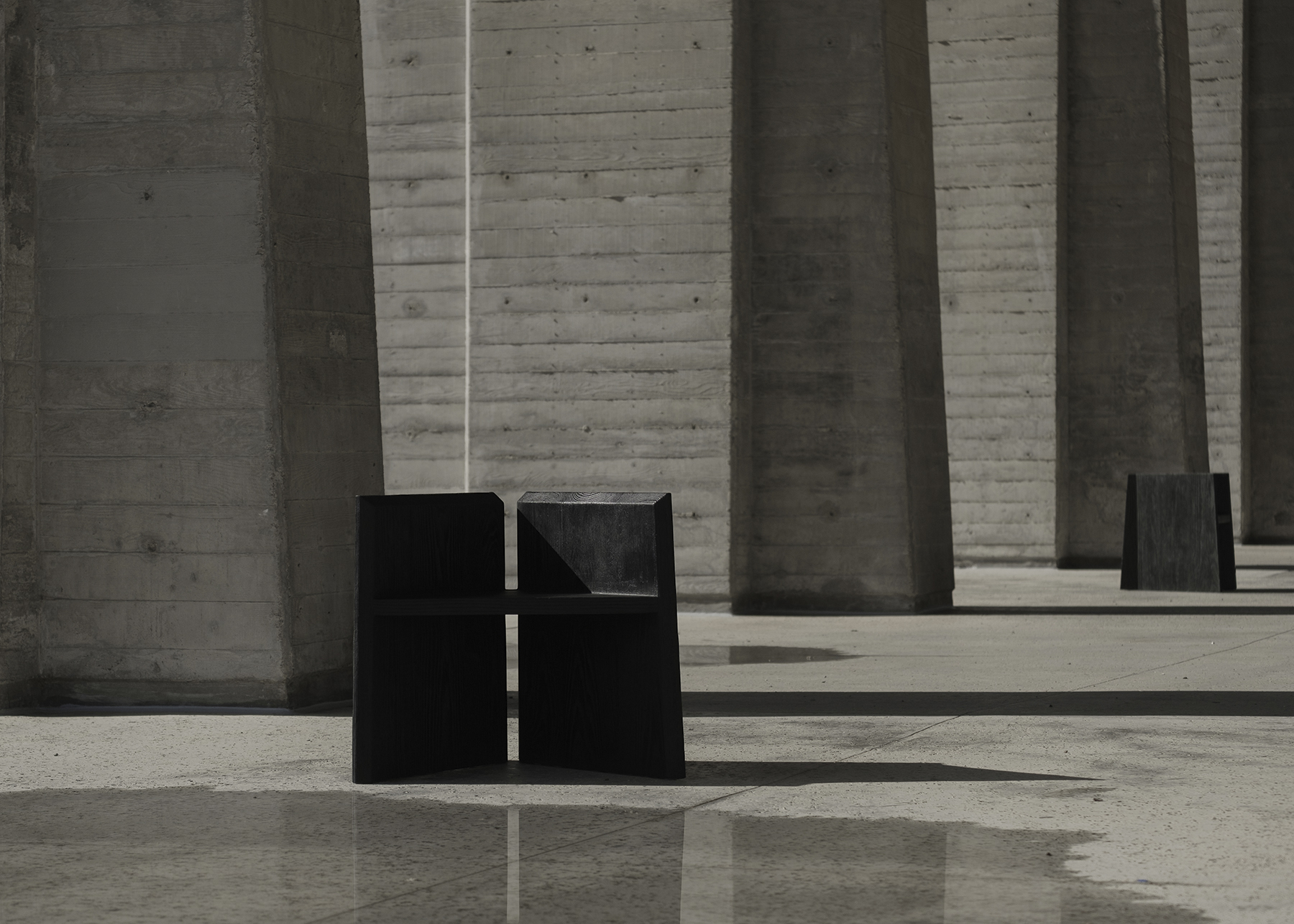
The inspiration for our pieces is personal, though not necessarily unique. Being Mexican, we grew up in Catholic / Christian households. The scale, serenity, and contrasts found within churches has been very influential. We aim to pay homage to those elements of our upbringing with our designs. Much like the furnishings found within churches we want our pieces to be quiet and functional, for them to stand out but not distract or compete with their surroundings.
Though the shapes may be monolithic — inspired by ornate churches and the brutalism we often encountered in Mexico — our design process is one of reductionism. We edit the designs until what is left is only what is necessary for function and all ornamentation is lost.
Deceres exists at the intersection of art, architecture, and design. How do these disciplines inform your creative process?
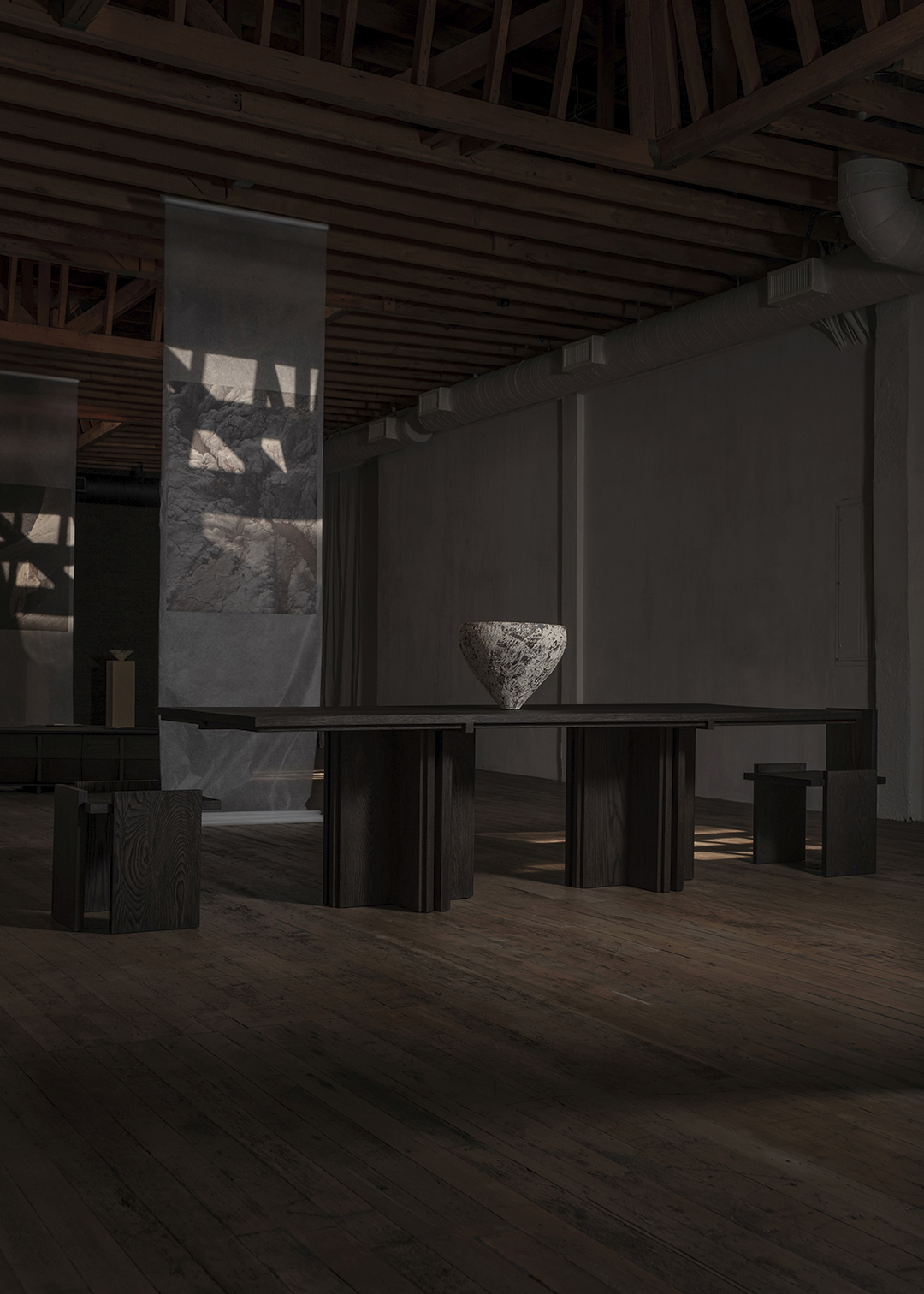
We would never consider ourselves artists or what we do as art, after all we aim to create objects that, though somewhat sculptural, are at the end of the day usable. We view our designs as small scale architecture, pieces can be arranged or combined in ways that create new geometries. The designs on their own are intended to look like buildings or components of buildings.
Though neither of us are architects, architecture has played a huge role in our lives.
We both, for different reasons, grew up surrounded by floor plans and blue prints and were always fascinated by the idea of transforming 2D ideas into tangible 3D objects.
Your studio is known for an avant-garde approach to furniture and interiors. How do you define avant-garde in the context of Deceres Studio?
This is interesting, we’re sincerely not sure we would describe ourselves as avant-garde, after all we are influenced by those we admire, like Donald Judd and Walter De Maria. They were the real avant-garde. They showed us that there is a different way to approach design, to explore concepts, to contextualize ideas. Our works are tribute to our upbringing and those that came before us, those who have taught us so much.
Collaboration is a key element of your work. How do partnerships with artists, artisans, architects, and designers shape and enhance your projects?
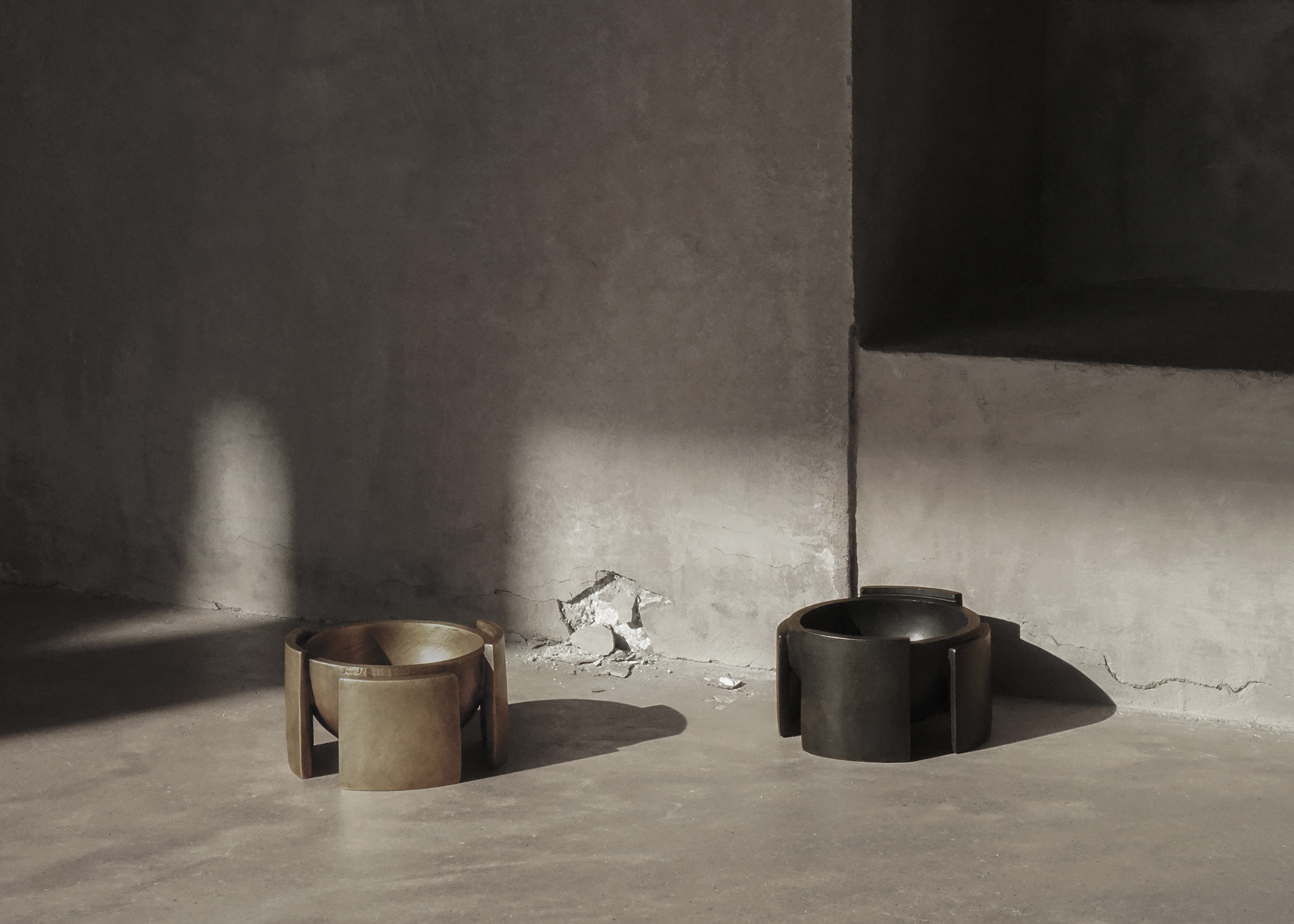
Deceres is as much about learning about ourselves as it is about learning from others. Our ideas would be just that if it weren’t for the carpenters and foundries we work with. They are responsible for bringing our ideas to life and the handmade element in each piece is crucial as it imbues every design with the unique craftsmanship of the beings involved.
Can you tell us about your latest collection and the inspiration behind it?
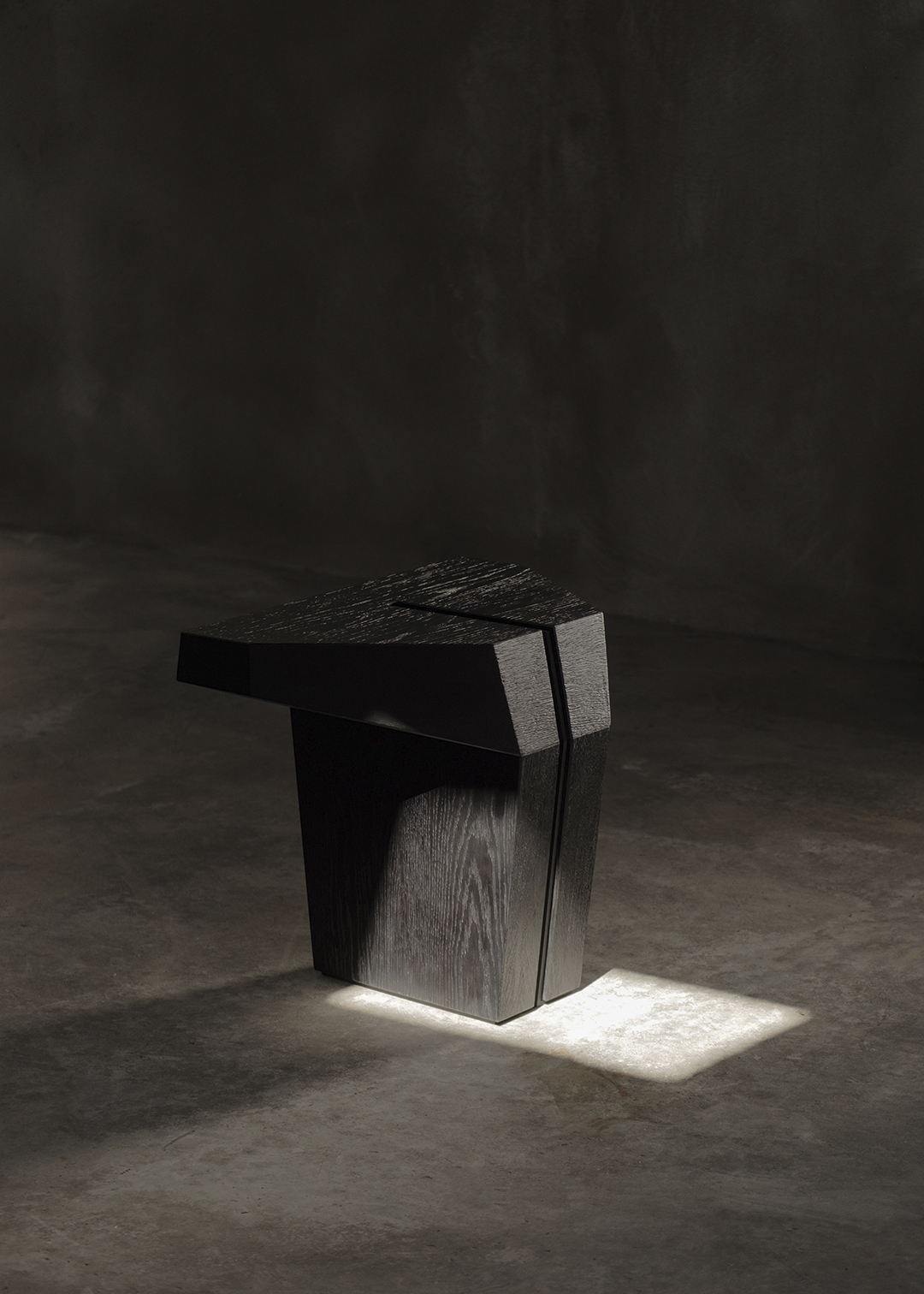
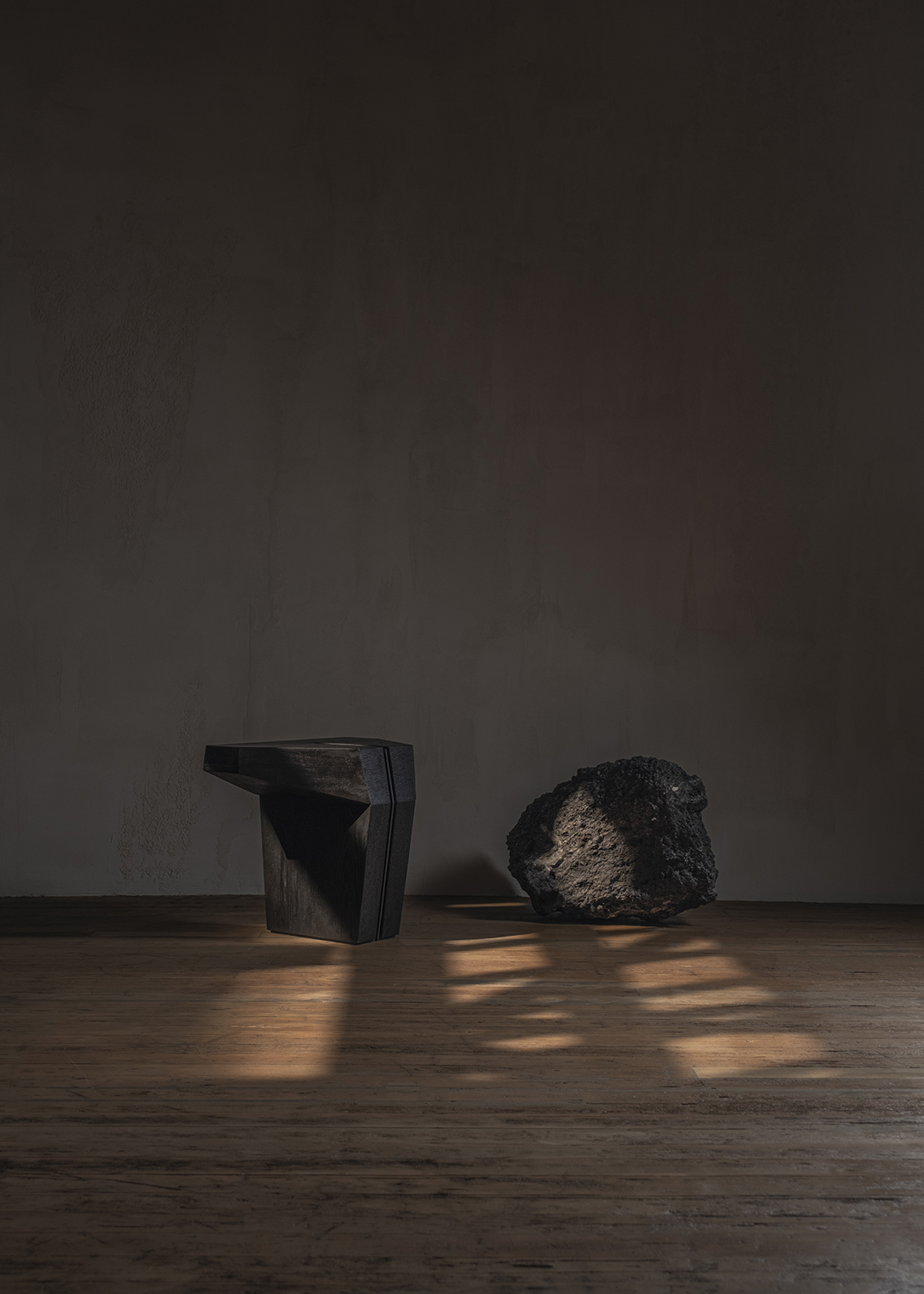
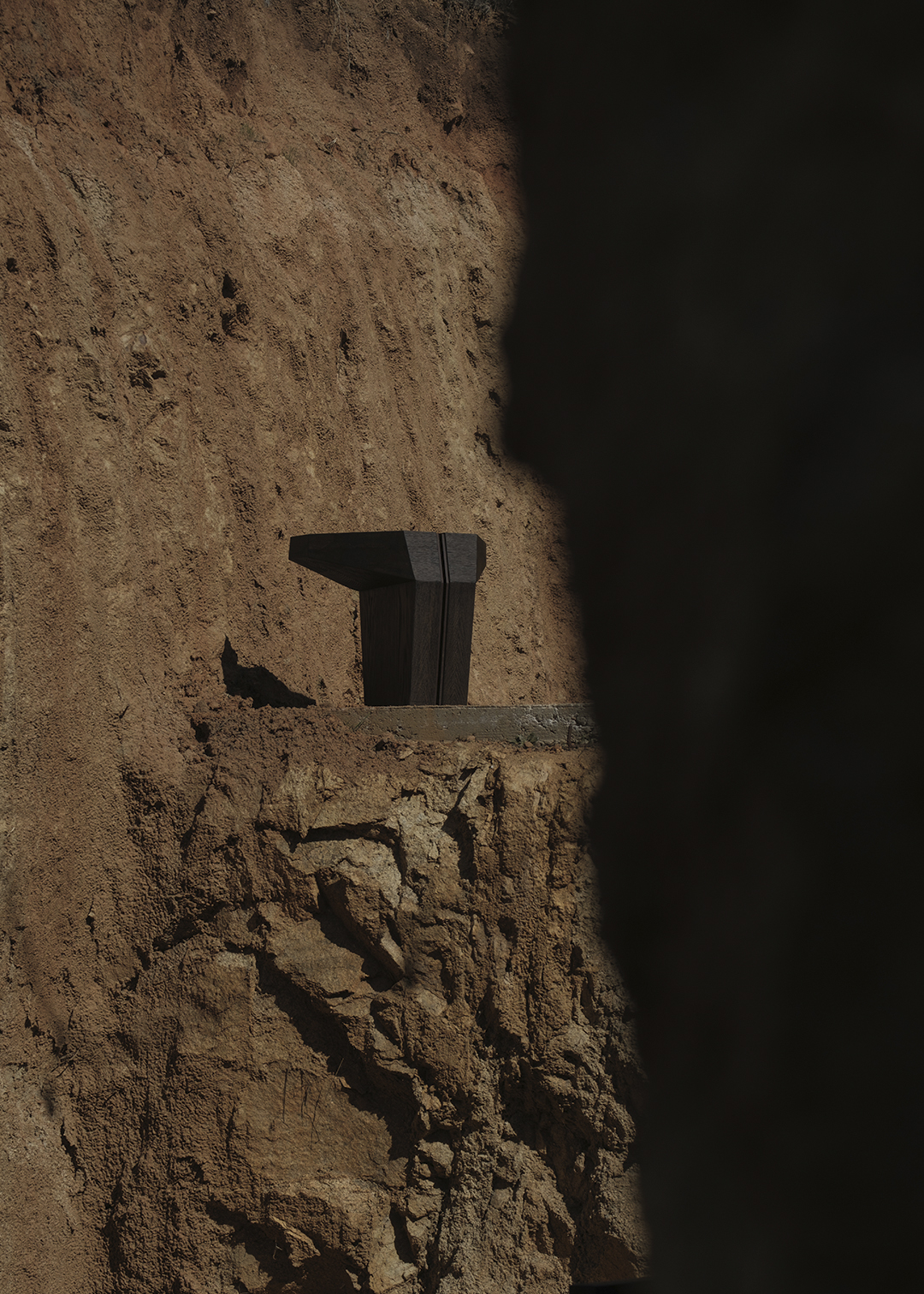
We are currently working on expanding the overall collection, creating variations of existing pieces and concepts. There are a few variations of pieces from the Tempo Collection that we are quite excited about. In Ritus and Credo we looked at the past, in Tempo we are looking ahead. The inspiration is a somewhat dystopian brutalism, where we explore neoteric shapes dealing with balance and angular forms.
The pieces we design are a result of introspections that turn into conversations — in some ways they are fragments of ourselves.”
Walk us through your design process—from concept to completion. What does it take to bring a new piece or collection to life?
We don’t create moodboards or do any sort of trend forecasting. Every collection starts with a conversation. Many times it is about a memory or a certain realization of something from our past. We aim to materialize these conversations into designs — we sketch a lot, roughly working through the dialogue. We often land on a line, shape, or direction we believe is worth exploring and we 3D model it. This process can sometimes be very quick, or quite prolonged. We cut away, and reduce until a form that is sincere to the initial idea remains. From there we prototype, rarely is the design right on the first try — our home is full of designs in different sizes — so usually a handful of instances of adjusting proportions occur.
We either cut away or add on to existing prototypes or start new ones entirely depending on the severity of the changes. Once we’re happy, we try to live with the piece for a while, to experience it and make sure no further adjustments are necessary. It takes about a year for each new piece to be realized fully.
Sustainability is becoming increasingly important in design. How does Deceres Studio engage with sustainable practices in material sourcing and production?
We don’t want to be hypocritical, we struggle with the idea of anything new truly being sustainable, no matter the practice. There isn’t really a need for a new chair or table or vase. Therefore, when we do create we do so with the intention that it is timeless in form and long lasting in quality. We use high quality, solid woods that will age gracefully and naturally. Our smaller objects that are cast in solid bronze will likley outlive us all.
However, we have begun exploring new materials, in particular with our dear friend Javier Irigoyen of New Fibers which recycles packaging, scraps, and post-industrial waste, and turns them into long-lasting building materials.
Are there any upcoming projects or collaborations that excite you? How do they reflect the ongoing evolution of Deceres Studio’s vision?
We have started the design of our first architectural project — a series of homes in San Diego designed in collaboration with Tijuana based architect Marcos Gael of Fragmento. As we mentioned at the top, architecture is an inherent part of our upbringing and, not only, one of our biggest inspirations but aspirations as well. From its inception we wanted to grow Deceres to the point where we could design large scale architecture to house our small architecture and this year it’s finally happening and we couldn’t be more excited for what’s to come.
Photos: Courtesy of Deceres Studio, Gry Space @gry.space and Outsiders LA @outsiders___la
www.deceresstudio.com
@deceresstudio
GALLERY